
Circle's Federal Banking Charter Win: What It Means for USDC and the Stablecoin Market
Circle just crossed a major regulatory finish line. The company has secured final approval from the Office of the Comptroller of the Currency (OCC) to establish a national trust bank—a watershed moment for crypto's largest stablecoin issuer.
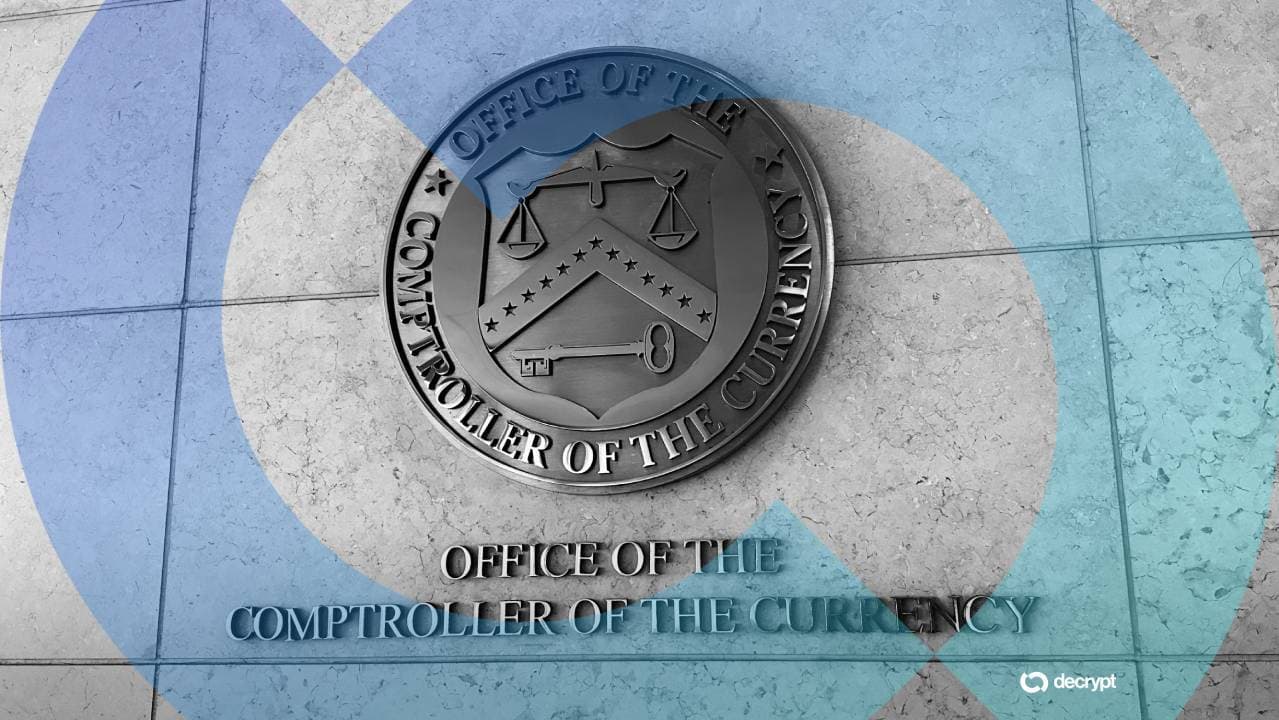
Circle just crossed a major regulatory finish line. The company has secured final approval from the Office of the Comptroller of the Currency (OCC) to establish a national trust bank—a watershed moment for crypto's largest stablecoin issuer.
Here's what matters: Circle can now operate its $73.2 billion USDC stablecoin under a unified federal banking framework instead of managing a patchwork of state-level licenses. That's a fundamental shift in how the company operates and how regulators view stablecoins broadly.
The Charter Win Changes Everything
The OCC green light eliminates a major regulatory overhang. Previously, Circle had to navigate multiple state money transmitter licenses to issue and manage USDC, creating operational friction and legal complexity. Now, as a federally chartered national trust bank, Circle operates under direct OCC supervision with standardized capital and reserve requirements.
This isn't just administrative cleanup—it's a competitive moat. Circle becomes one of the few stablecoin issuers with genuine federal banking infrastructure. That distinction matters when you're sitting on $73.2 billion in digital assets and need institutional confidence in your backing.
Market Implications for Stablecoins and Crypto Trading
The charter approval signals regulatory clarity around stablecoins that investors needed to see. Circle's USDC is the second-largest stablecoin by market cap, used across trading platforms, decentralized finance (DeFi), and enterprise payment rails. A federally chartered Circle strengthens USDC's moat against competitors like Tether's USDT.
For traders using stablecoins in crypto portfolios, this reduces counterparty risk. Federal oversight means audited reserves, reserve requirements, and OCC examination. These aren't trivial assurances when you're holding digital assets worth tens of billions.
The competitive dynamics matter too. Circle's regulatory advantage makes it harder for newer stablecoin issuers to compete without similar banking infrastructure. We're moving toward a consolidation in the stablecoin market where federally regulated players dominate.
What Comes Next
Circle now faces execution on its new charter. Operating as a federal trust bank requires maintaining capital buffers, passing regulatory exams, and demonstrating ongoing compliance with OCC standards. These are real operational burdens, not just paperwork.
The broader implication: crypto infrastructure is becoming more regulated, more boring, and more institutional. That's not bearish for bitcoin, ethereum, or broader crypto adoption—it's actually the prerequisite for institutional capital to flow into digital assets at scale. You can't have pension funds and insurance companies buying crypto if the stablecoin plumbing remains unregulated.
Circle's stock jumped on the news for good reason. The company just turned a regulatory headwind into a competitive advantage.
Alpha Take
Circle's OCC approval matters because it establishes the regulatory template for stablecoin issuers moving forward. USDC now operates from a position of strength against competitors and carries the implicit backing of federal oversight. For traders and institutions building on stablecoins, this reduces tail risk significantly—and that's the kind of market infrastructure that enables the next wave of crypto adoption.
Originally reported by
Decrypt
Not financial advice. Crypto investing involves significant risk. Past performance does not guarantee future results. Always do your own research.