
Citadel Pushes SEC to Regulate Prediction Markets Tied to Major Companies
Citadel Securities is escalating pressure on the SEC to establish clear oversight of event contracts pegged to publicly traded companies, directly challenging the current regulatory framework that allows the CFTC to self-certify these instruments. The trading powerhouse argues that equity-linked e
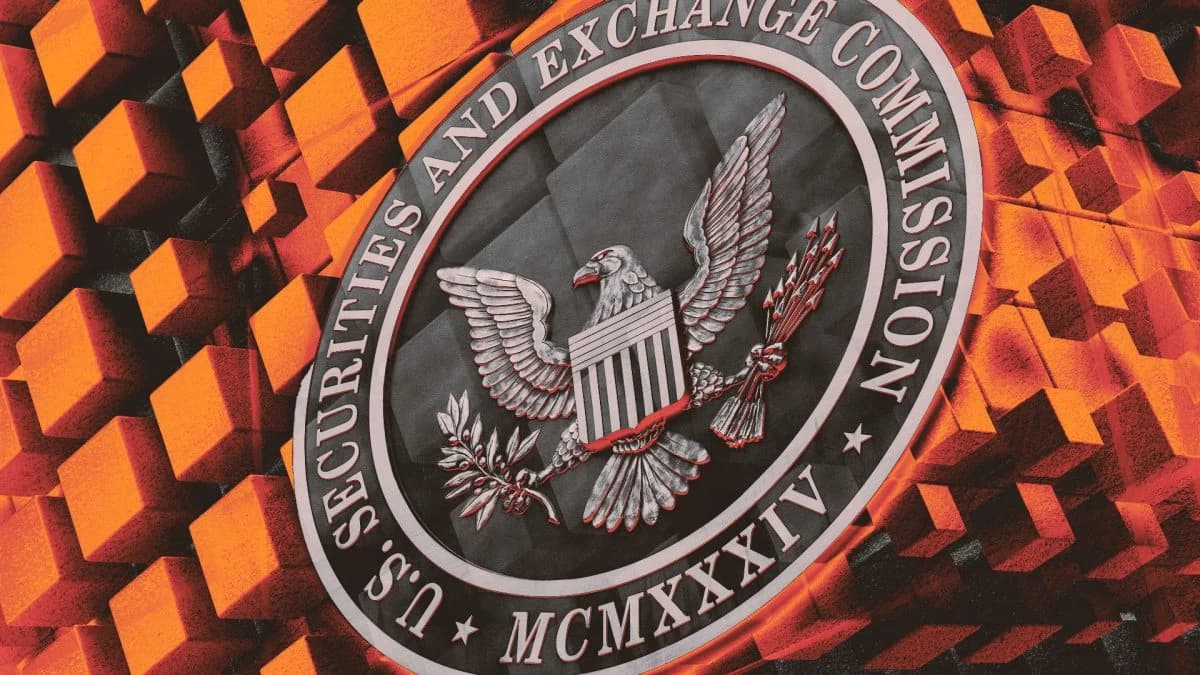
Citadel Securities is escalating pressure on the SEC to establish clear oversight of event contracts pegged to publicly traded companies, directly challenging the current regulatory framework that allows the CFTC to self-certify these instruments.
The trading powerhouse argues that equity-linked event contracts—essentially prediction markets betting on corporate outcomes—operate in a regulatory gray zone that poses systemic risks. Citadel's position marks a significant intervention in an ongoing turf war between the SEC and CFTC over who should police these emerging crypto-adjacent instruments.
The Regulatory Gap
Here's what we're looking at: event contracts let traders speculate on outcomes like earnings beats, executive departures, or M&A activity tied to specific public companies. The CFTC currently allows exchanges to self-certify these products under its existing rules, a process that critics say sidesteps meaningful regulatory scrutiny. Citadel Securities contends this arrangement leaves the SEC—the traditional guardian of equity markets—out of the loop on instruments that directly impact stock market participants.
The distinction matters for crypto market intelligence. As decentralized prediction markets proliferate and trading infrastructure evolves, the regulatory clarity we see established now will shape how crypto platforms can operate alongside traditional finance. Bitcoin, Ethereum, and other digital assets don't exist in isolation from equity markets anymore—they're increasingly entangled through derivatives, synthetics, and cross-asset trading strategies.
Why Citadel Cares
Citadel Securities isn't operating from idle curiosity. The firm's letter to the SEC essentially argues that self-certification has become a loophole enabling products the CFTC wasn't designed to oversee. By pushing the SEC to assert jurisdiction, Citadel's betting that tighter, more predictable regulation serves established players like them better than the current ambiguity.
This power play reveals something crucial about crypto's evolution: traditional finance power brokers are now actively shaping which regulatory body controls emerging trading instruments. When mega-firms like Citadel start lobbying the SEC, institutional money follows the compliance trail they're laying.
What's At Stake
The outcome affects more than just event contracts. If the SEC asserts control here, we could see a template for how it regulates other equity-linked crypto instruments and derivatives. That has immediate implications for traders building portfolios hedged across both traditional and digital assets.
For portfolio managers juggling crypto analysis alongside equity exposure, this regulatory clarification could either open doors or close them—depending on which regulator wins. The SEC typically applies stricter rules than the CFTC's self-certification model, which could compress margins on event contract trading but also reduce counterparty risk and fraud vulnerabilities.
Alpha Take
Citadel's move signals that institutional players are tired of regulatory ambiguity in derivative markets. Whether this pushes the SEC to actually expand its jurisdiction remains uncertain, but the direction is clear: expect trading in equity-linked instruments to face tighter compliance requirements within 12-18 months. Crypto traders holding correlated positions should monitor this regulatory chess match closely—the outcome will redefine how digital asset trading integrates with public equity markets.
Originally reported by
The Block
Not financial advice. Crypto investing involves significant risk. Past performance does not guarantee future results. Always do your own research.