
Claude Sonnet 5: Anthropic's Smart Play Between Performance and Price
Anthropic's launching Claude Sonnet 5 right as the company faces U. S.
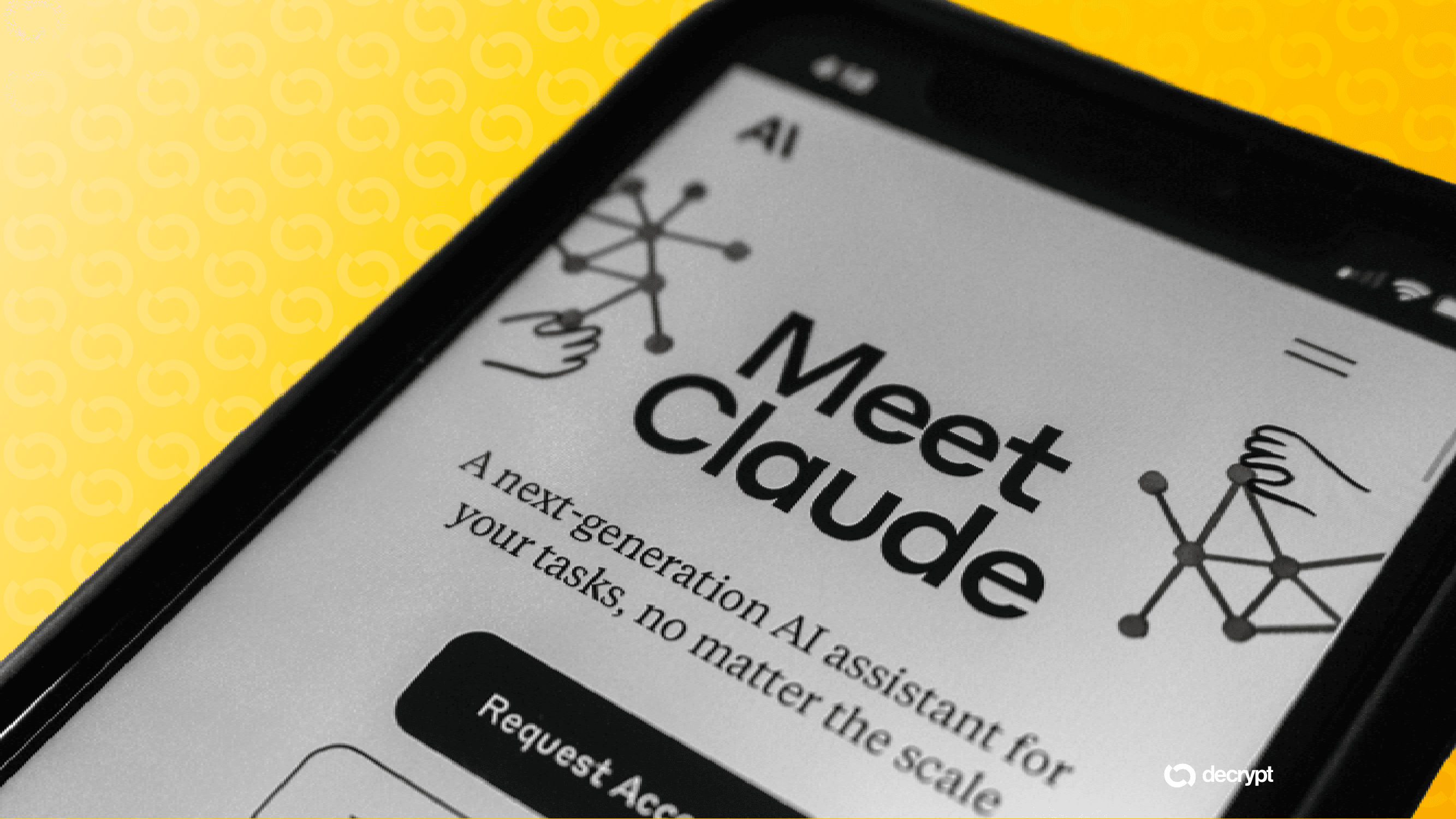
Anthropic's launching Claude Sonnet 5 right as the company faces U.S. export restrictions that have sidelined two other models. The timing matters—and so does the strategy behind this release.
The Performance-Price Equation
Here's what we're seeing: Sonnet 5 competes directly with Opus 4.8 on capability but costs considerably less. This mid-tier positioning is classic Anthropic playbook—offer enterprise-grade intelligence without the premium price tag. For traders and analysts using AI-powered crypto market intelligence, that efficiency gains real value. You're not paying for peak performance you don't need, yet you're not settling for degraded outputs either.
The model lands in a crowded market where pricing pressure is real. OpenAI's GPT-4 remains the comparison benchmark, but Anthropic's undercut strategy here suggests they're playing the volume game. That's a smart move when you're racing alongside competitors in AI infrastructure—speed of adoption matters as much as capability.
Export Restrictions Complicate the Picture
Fable and Mythos, Anthropic's other models, are currently blocked from export due to U.S. government restrictions. That's a meaningful constraint. It essentially forces Anthropic to consolidate offerings around domestically-available models while they navigate regulatory hurdles. Sonnet 5's launch fills that gap strategically.
The export situation reveals something broader about AI development: geopolitical friction is reshaping which models reach which markets. For crypto platforms and trading firms relying on Anthropic's infrastructure for market analysis, portfolio management, and trading insights, these restrictions could force contingency planning around alternative solutions.
What This Means for Crypto Markets
The crypto and blockchain industries increasingly depend on sophisticated AI for everything from transaction analysis to portfolio optimization. A cheaper, capable mid-tier model from Anthropic impacts that ecosystem. Development teams building on-chain analytics platforms, trading bots, and market intelligence systems now have more accessible tools to experiment with.
Consider this: companies previously priced out of Opus 4.8 licensing can now upgrade their AI infrastructure. That democratization accelerates innovation across crypto market intelligence services. Retail traders using AI-enhanced platforms for bitcoin and ethereum analysis benefit from these cost efficiencies filtering downstream.
The Competitive Angle
Claude Sonnet 5 doesn't just compete with Opus 4.8. It targets models like GPT-4 Turbo and emerging open-source alternatives. Anthropic's positioning here—superior performance, lower cost, faster inference—reads like they're sharpening their competitive edge while export headwinds force strategic focus.
The broader narrative: Anthropic's narrowing its portfolio temporarily due to restrictions, but doing so in ways that strengthen market position. Sonnet 5 becomes the workhouse model while Fable and Mythos wait out regulatory approval.
Alpha Take
Claude Sonnet 5's release is a clever move that addresses both technical and regulatory challenges simultaneously. For crypto platforms and trading intelligence services, this opens better cost-to-capability ratios for AI infrastructure. Watch how quickly developer adoption picks up—that'll signal whether Anthropic's pricing strategy actually shifts market behavior in competitive crypto analytics spaces.
Originally reported by
Decrypt
Not financial advice. Crypto investing involves significant risk. Past performance does not guarantee future results. Always do your own research.