
Coinbase CEO: Crypto-to-AI Pivot Misses the Point—These Tech Stacks Are Complementary
Brian Armstrong isn't buying into the narrative that crypto companies are abandoning their roots for artificial intelligence. The Coinbase chief argues that framing the sector's AI expansion as a zero-sum game fundamentally misunderstands how these technologies interact.
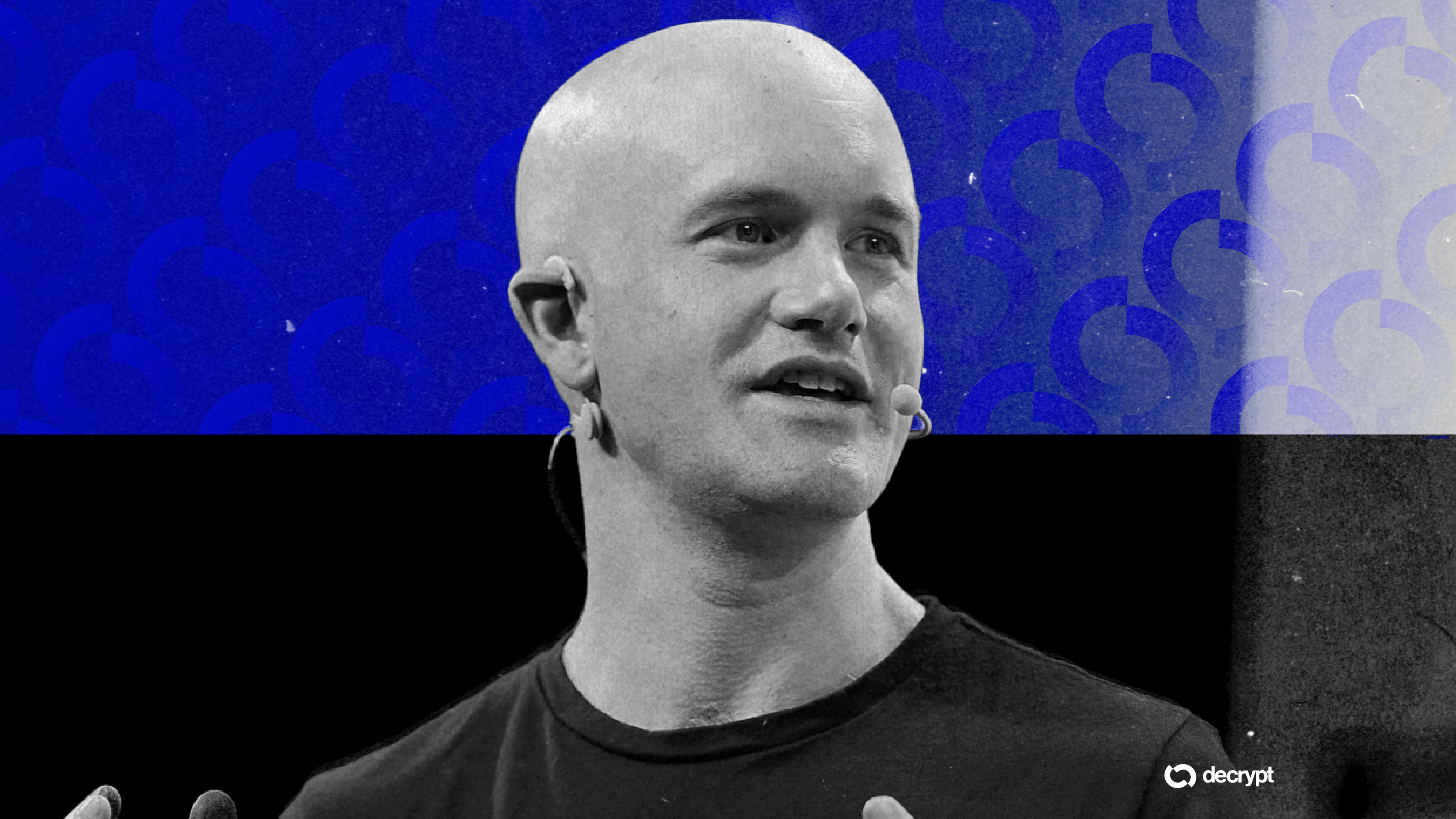
Brian Armstrong isn't buying into the narrative that crypto companies are abandoning their roots for artificial intelligence. The Coinbase chief argues that framing the sector's AI expansion as a zero-sum game fundamentally misunderstands how these technologies interact.
Armstrong's position cuts against a growing perception that crypto firms are hedging their bets by diving deep into AI infrastructure and applications. Instead, he contends that crypto isn't being replaced—it's being positioned as the fundamental infrastructure layer that AI systems will eventually require.
"Crypto is infrastructure that underpins AI," Armstrong stated, laying out his thesis clearly. The logic is straightforward: autonomous AI agents operating in economic systems need a settlement mechanism. They need to transact independently, verify transactions, and move value without intermediaries. That's where blockchain technology enters the picture.
This perspective reframes the entire narrative around crypto firms' recent AI investments and hiring sprees. We've watched companies like Coinbase, Crypto.com, and others aggressively build AI capabilities over the past year. Rather than abandoning their core crypto mission, Armstrong suggests they're actually creating the infrastructure stack needed for AI's next evolution.
The distinction matters for portfolio managers and traders tracking the sector. If Armstrong's thesis proves correct, crypto infrastructure—specifically blockchain networks and settlement layers—becomes increasingly valuable as AI adoption accelerates. AI agents conducting transactions, managing resources, and executing trades autonomously would create massive demand for fast, trustless settlement mechanisms that crypto protocols provide.
Where the Skepticism Lives
Critics point to the reality that most AI development has progressed independently of blockchain for years. Large language models, neural networks, and AI applications have thrived without needing crypto infrastructure. But Armstrong's argument isn't that crypto is necessary today—it's that autonomous AI systems operating in decentralized, trustless environments will require it.
The crypto analysis community is watching this closely. Market intelligence suggests that betting on crypto's future depends partly on whether this complementary relationship between AI and blockchain actually materializes at scale. Right now, most AI agents operate within centralized ecosystems. The question is whether that changes as autonomy increases.
Armstrong's framing also addresses a legitimate concern among crypto investors: that mainstream crypto adoption has stalled, and that pivoting to AI trends suggests the original thesis has weakened. By positioning crypto as foundational infrastructure rather than a competitive alternative to AI, he's essentially arguing the sector is evolving strategically, not abandoning ship.
The trading implications are worth considering. If AI-powered autonomous systems do eventually require blockchain infrastructure for economic transactions, the infrastructure plays (think layer-one protocols and settlement layers) could see significant upside as adoption accelerates. Conversely, if crypto remains trapped in financial speculation while AI develops along separate tracks, the thesis deteriorates.
Alpha Take
Armstrong's crypto-as-AI-infrastructure argument is compelling in theory but requires real-world validation. The market needs to see autonomous AI systems actually deploying capital on-chain at scale before this thesis moves from philosophy to price action. Watch for enterprise AI applications that genuinely require blockchain settlement—that's the signal that validates this complementary narrative rather than crypto firms simply chasing trends.
Originally reported by
Decrypt
Not financial advice. Crypto investing involves significant risk. Past performance does not guarantee future results. Always do your own research.