
CoinFlip Faces Heat: Missouri's Attorney General Claims Bitcoin ATM Operator Enabled Senior Scams
Missouri's attorney general is coming down hard on Bitcoin ATM operator CoinFlip, alleging the company "knowingly facilitated fraudulent transactions" that targeted vulnerable seniors. The accusation cuts to the heart of a growing regulatory concern: whether crypto infrastructure providers have ade
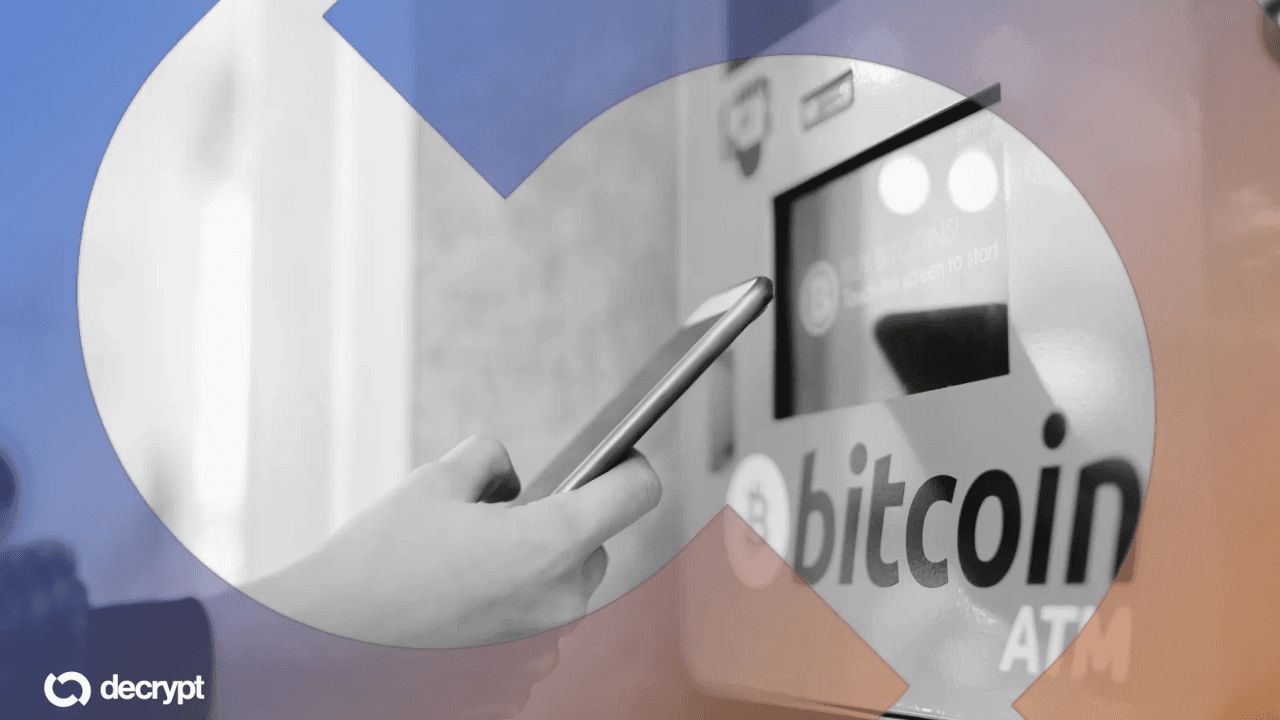
Missouri's attorney general is coming down hard on Bitcoin ATM operator CoinFlip, alleging the company "knowingly facilitated fraudulent transactions" that targeted vulnerable seniors. The accusation cuts to the heart of a growing regulatory concern: whether crypto infrastructure providers have adequate safeguards to prevent elder fraud.
The Missouri Allegations
The state's top prosecutor is demanding restitution for seniors who lost money through CoinFlip's ATM network. The complaint centers on whether the company should have implemented stronger verification protocols to catch red flags on suspicious transactions—particularly those involving older Americans being coached into sending funds to scammers.
This isn't just regulatory chest-thumping. Elder financial exploitation through crypto channels has become a tangible problem. Scammers exploit the irreversibility of crypto transactions to drain retirement accounts with wire-fraud-like schemes, except the victims end up holding worthless blockchain tokens instead of disputed bank transfers.
CoinFlip's Defense
CoinFlip is pushing back hard, dismissing the lawsuit as "meritless." The company's position is straightforward: they operate ATM hardware, not a centralized exchange platform. By that logic, they're arguing they shouldn't be held liable for how users interact with their machines any more than a bank ATM manufacturer bears responsibility for robbery at their hardware locations.
The firm contends it already operates within compliance frameworks and maintains anti-money laundering protocols. Their argument hinges on the distinction between being a payment infrastructure provider versus an active participant in fraud schemes.
The Broader Crypto Compliance Challenge
This battle reflects a fundamental tension in the crypto trading and portfolio management landscape. As bitcoin and ethereum adoption grows, so does the presence of physical touchpoints like ATMs that convert fiat into digital assets. Regulators are struggling to establish where accountability lies in this chain.
Do ATM operators need AI-powered transaction monitoring? Should they implement age verification? Require users to complete fraud awareness modules? The regulatory framework remains murky, and cases like Missouri's will likely shape how compliance expectations evolve.
For legitimate crypto market intelligence purposes, this matters. A ruling against CoinFlip could force significant operational changes across the ATM industry—potentially affecting liquidity and accessibility in certain geographic markets. Conversely, a victory for CoinFlip might embolden other operators to resist expanded compliance mandates.
What's at Stake
The restitution demand signals Missouri's willingness to treat crypto facilitators like traditional financial institutions under consumer protection laws. If that standard sticks, expect every bitcoin ATM operator and exchange to face similar scrutiny.
CoinFlip's position on this "meritless" claim will be tested in court, but the crypto industry is watching closely. How regulators define liability for infrastructure providers during this case could reshape how companies approach kyc/aml procedures and transaction monitoring across the entire digital asset ecosystem.
Alpha Take
This isn't just legal theater—it's a regulatory bellwether for how governments will treat crypto infrastructure going forward. ATM operators and exchanges face real pressure to tighten identity verification and fraud detection, which could slow onboarding but improve market legitimacy. Investors should monitor outcomes here; stricter compliance standards could consolidate power among larger, well-funded operators while squeezing smaller market participants.
Originally reported by
Decrypt
Not financial advice. Crypto investing involves significant risk. Past performance does not guarantee future results. Always do your own research.