
Coldcard Pushes Critical Seed Regeneration After Discovering Firmware Vulnerability
Coinkite just dropped a major warning that shouldn't be ignored: Coldcard users need to generate fresh seed phrases. Here's why—and what it means for your portfolio security.
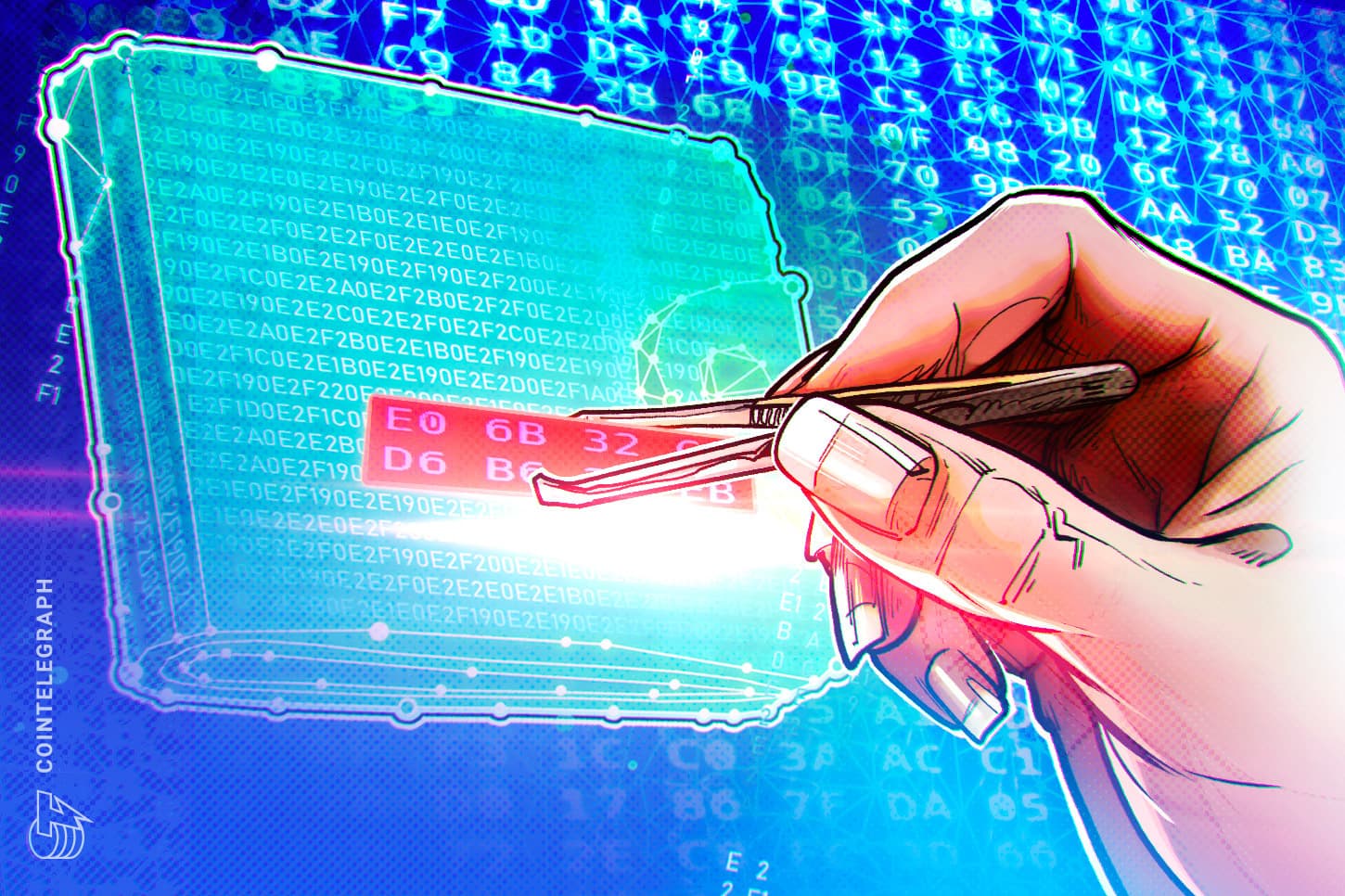
Coinkite just dropped a major warning that shouldn't be ignored: Coldcard users need to generate fresh seed phrases. Here's why—and what it means for your portfolio security.
The hardware wallet manufacturer identified a vulnerability in their seed generation process that compromised the randomness of existing seeds. While they've released a firmware update to address the issue going forward, that fix doesn't retroactively protect seeds already in circulation. Translation: if you generated your seed before this update, you're still at risk.
The Vulnerability Problem
This isn't a case of Coinkite overselling a minor patch. The core issue affects how Coldcard generates the cryptographic randomness that should make each seed phrase unique and theoretically impossible to crack. Weak randomness in seed generation is one of crypto's most dangerous vulnerabilities—it directly undermines the security of your private keys and everything they control.
Coinkite's message is unambiguous: existing vulnerable seeds remain unsafe despite the security upgrade. That's their direct statement. They're not hedging or sugarcoating it. If your seed was generated on older firmware, the new update alone won't save it.
What Users Need to Do
The path forward requires action from Coldcard holders:
1. Update firmware immediately to the latest version with the security improvements 2. Generate a completely new seed phrase using the updated firmware 3. Transfer all funds from wallets derived from old seeds to new addresses controlled by the fresh seed 4. Securely destroy any records of the vulnerable seed phrases
This is fundamentally about replacing compromised security foundations. You can't patch randomness retroactively—you have to start fresh.
Why This Matters for Crypto Investors
For anyone serious about portfolio protection, this situation highlights why hardware wallet firmware updates aren't optional. The crypto market rewards diligence and punishes complacency. A vulnerability in seed generation could theoretically allow attackers to predict private keys, giving them direct access to your assets.
The incident also underscores a critical reality: hardware wallets are only as secure as their code. Coinkite deserves credit for identifying and disclosing the issue transparently, but it's a sobering reminder that no custody solution is vulnerability-free. Your security posture is only as strong as the weakest link in your setup.
For traders managing significant crypto positions across multiple wallets, this update cycle could be disruptive—but it's necessary friction. Moving funds between seed phrases requires time, attention, and careful transaction management to avoid errors.
Alpha Take
Coldcard users holding substantial crypto need to treat this as urgent, not someday. The vulnerability affects seed generation—the foundation of your private key security—and no firmware patch fixes compromised seeds already created. Regenerate your seed on updated firmware and migrate your funds. This is textbook security hygiene in crypto: when randomness is compromised, you rebuild from scratch. No shortcuts.
Originally reported by
CoinTelegraph
Not financial advice. Crypto investing involves significant risk. Past performance does not guarantee future results. Always do your own research.