
Crypto Oversight Reaches Critical Low as SEC and CFTC Face Major Leadership Vacuum
Seven commissioner seats across the SEC and CFTC will sit empty after Friday, leaving skeletal leadership at the nation's primary financial regulators tasked with overseeing a $3 trillion crypto industry. This represents a significant power vacuum at precisely the moment when crypto regulation dem
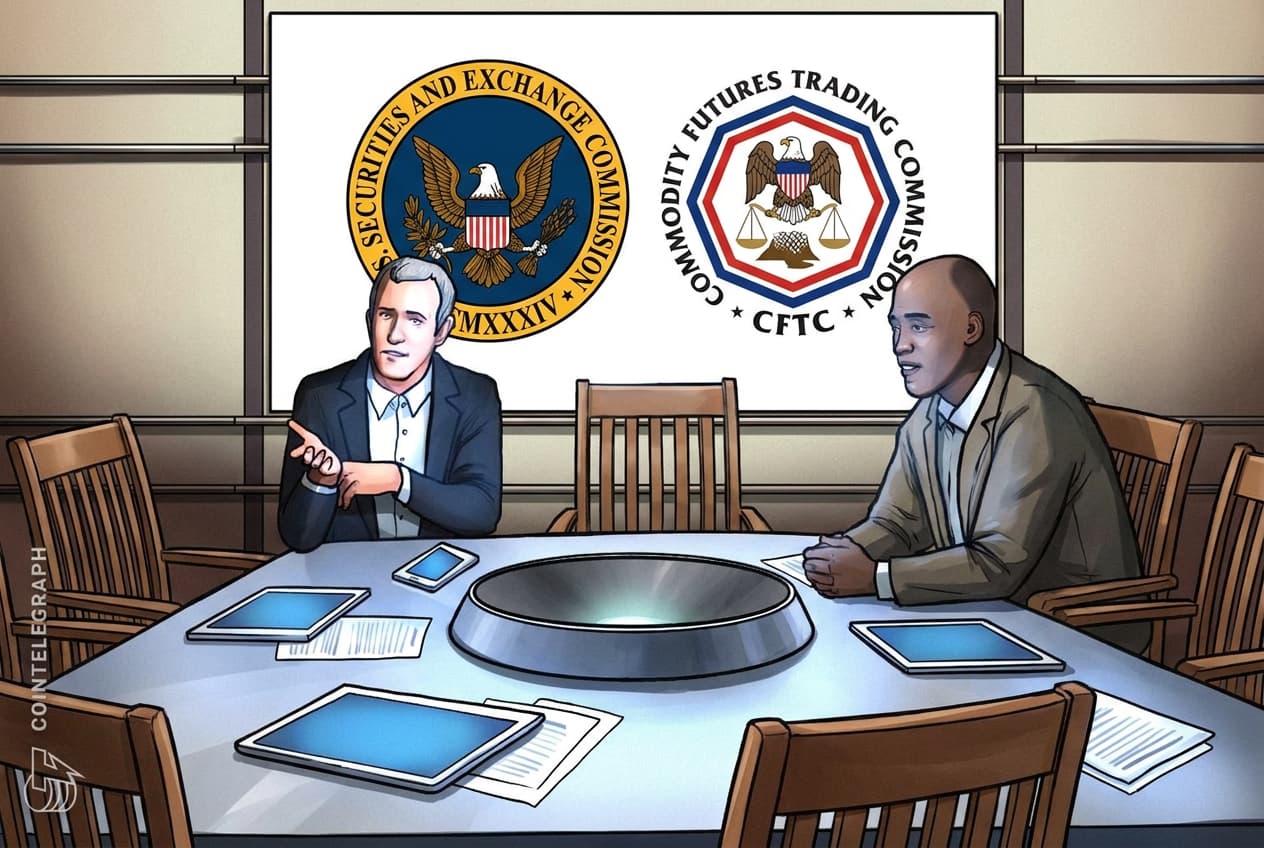
Seven commissioner seats across the SEC and CFTC will sit empty after Friday, leaving skeletal leadership at the nation's primary financial regulators tasked with overseeing a $3 trillion crypto industry.
This represents a significant power vacuum at precisely the moment when crypto regulation demands serious institutional attention. We're watching a situation where regulatory capacity is being gutted just as the market needs clear guidance.
The Commissioner Exodus
The departures follow a high-profile resignation that's accelerated the timeline for staff reductions. With only a handful of commissioners remaining at each agency, the regulatory machinery responsible for crypto market oversight, enforcement actions, and policy direction will operate at minimal capacity.
The timing is particularly acute for the crypto sector. Bitcoin, ethereum, and the broader digital asset landscape operate in a regulatory gray zone that these agencies are supposed to clarify. When commissioners walk, so does institutional knowledge, enforcement bandwidth, and policy continuity.
What This Means for Crypto Markets
A depleted SEC and CFTC creates immediate practical consequences for traders and projects:
Enforcement slowdowns: Fewer commissioners means fewer resources for investigating fraud, market manipulation, and unregistered securities offerings—all critical crypto issues.
Delayed rulemaking: The agencies can't effectively deliberate on new crypto regulations when they're understaffed. Expect stalled decisions on spot Bitcoin ETFs, staking rules, and stablecoin frameworks.
Policy uncertainty: Projects and trading desks need regulatory signals to operate confidently. A gutted commission can't provide them.
Potential litigation backlog: Cases already in the pipeline may languish as remaining staff prioritize triage over progress.
The Broader Picture
This commissioner shortage isn't isolated to crypto—it affects all SEC and CFTC jurisdiction. But the $3 trillion crypto market is particularly vulnerable because regulatory clarity is still being established. Traditional markets have decades of settled rules; crypto doesn't.
The agencies need full strength to tackle emerging issues like decentralized finance (DeFi) compliance, cross-border crypto transactions, and institutional custody standards. A skeleton crew can't meaningfully advance this agenda.
Investor Implications
For portfolio managers and traders, this creates both risk and opportunity. The regulatory vacuum could accelerate certain projects that would otherwise face scrutiny—but it also means less enforcement against bad actors, creating systemic risk.
Smart money should expect:
- •Continued regulatory uncertainty affecting major crypto decisions
- •Possible delays in approval for new institutional products
- •Potential for increased enforcement once the agencies are staffed
- •More pressure on Congress to clarify crypto jurisdiction through legislation
The crypto market has proven resilient despite regulatory ambiguity, but institutional adoption depends on confidence that oversight exists. A $3 trillion market can't operate indefinitely with skeleton-crew regulation.
Alpha Take
The commissioner exodus represents a meaningful near-term headwind for crypto regulatory clarity. We'd expect slower approval timelines for institutional products and continued jurisdictional confusion among projects. However, this may accelerate Congressional action to establish clearer crypto frameworks—watch for legislative movement as the void becomes politically untenable. Position accordingly for regulatory volatility.
Originally reported by
CoinTelegraph
Not financial advice. Crypto investing involves significant risk. Past performance does not guarantee future results. Always do your own research.