
Crypto's Political Gamble: Fairshake PAC Scores Early Wins While Bleeding Cash on Key Races
Fairshake, the crypto industry's heavyweight political action committee, is flexing its newfound financial muscle in the 2024 election cycle—but the scoreboard reveals a mixed reality for digital asset advocates seeking influence on Capitol Hill. The Spending Spree Begins A Fairshake spokesper
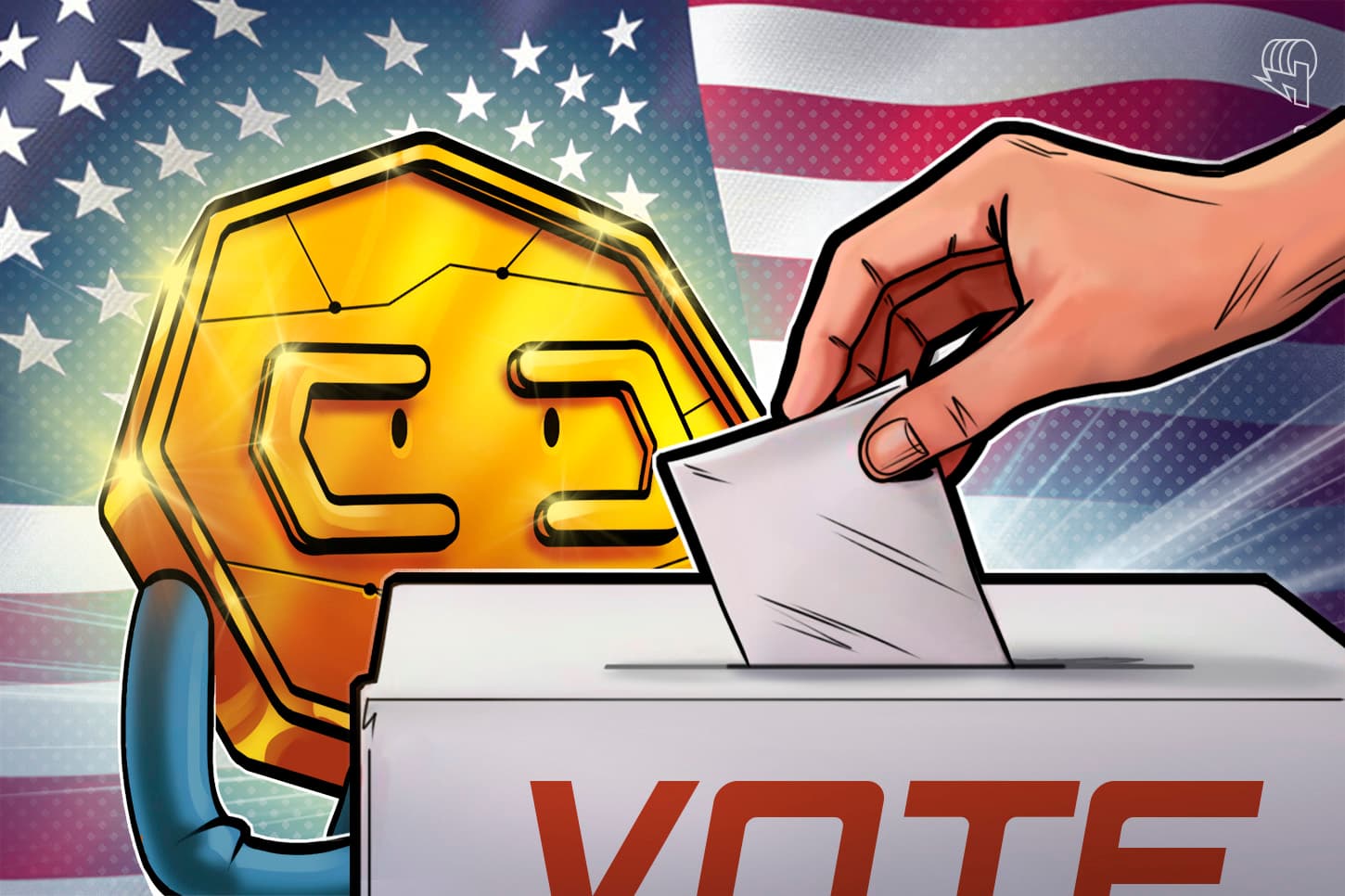
Fairshake, the crypto industry's heavyweight political action committee, is flexing its newfound financial muscle in the 2024 election cycle—but the scoreboard reveals a mixed reality for digital asset advocates seeking influence on Capitol Hill.
The Spending Spree Begins
A Fairshake spokesperson confirmed that the PAC was "just getting started" on its expenditures as part of efforts to fill US Congress with lawmakers friendly to the crypto industry. Translation: we're ramping up spending significantly, and this is only round one.
The message signals serious intent from an industry that's historically struggled to translate its lobbying dollars into legislative wins. After years of fragmented political efforts, crypto's major players—from exchanges to mining operations—finally consolidated their firepower into a single vehicle. Fairshake represents the first coordinated push to reshape congressional sentiment around bitcoin, ethereum, and the broader digital asset ecosystem.
The Wins and Losses
The primary election cycle has delivered some encouraging results for the PAC's slate of candidates. Several Fairshake-backed contenders cleared their primary hurdles, positioning themselves for general election matchups. These victories suggest the industry's messaging is resonating with certain voter blocs and that Fairshake's targeting strategy is working at the grassroots level.
However, the Florida race tells a different story. Dropping $2 million on a single contest only to come up short represents the kind of strategic setback that crypto advocacy groups can't afford to repeat if they want to maintain donor confidence. The loss raises uncomfortable questions about whether deep pockets automatically translate to electoral success—a lesson traditional political players learned decades ago.
What's Actually at Stake
The crypto industry's push into electoral politics isn't abstract. Congressional composition directly determines the regulatory framework that governs digital assets. Current lawmakers remain deeply divided on crypto policy, with some advocating for clear rules and others pushing for outright restrictions. Fairshake's theory: elect crypto-friendly representatives, shift the balance, and secure favorable legislation.
The strategy makes sense on paper. But primary victories don't guarantee general election wins, and even general election wins don't guarantee legislative outcomes. The PAC is essentially betting that electing 30-40 sympathetic congresspeople will move the needle on crypto regulation—a bet that assumes both party loyalty and the ability to prioritize digital assets amid competing legislative priorities.
The Longer Game
What matters most isn't whether Fairshake goes 10-for-20 or 5-for-20 in individual races. What matters is whether the PAC's efforts create a new bloc of lawmakers willing to fight for crypto industry interests when regulatory votes hit the floor. Building that political infrastructure takes time, capital, and strategic patience.
The $2 million loss in Florida stings, but it's essentially a tuition payment in Fairshake's education on electoral politics. The real test comes when these candidates—if elected—face pressure from both crypto advocates and anti-crypto constituencies.
Alpha Take
Fairshake's primary-season performance confirms that crypto money is in the game, but cash isn't destiny in politics. Watch which Fairshake-backed candidates actually win their general elections and, more importantly, whether they follow through on crypto-friendly votes once in office. The industry's long-term influence depends less on election day victories and more on whether newly elected allies actually deliver legislative wins on bitcoin regulation and broader digital asset policy.
Originally reported by
CoinTelegraph
Not financial advice. Crypto investing involves significant risk. Past performance does not guarantee future results. Always do your own research.