
Crypto Watchdogs Push SEC to Scrutinize Trump's Memecoin Amid Pivotal Legislative Week
Two powerful senators are ramping up pressure on the Securities and Exchange Commission to launch a formal investigation into President Donald Trump's memecoin, signaling escalating tension between crypto regulation and political influence as Congress prepares for critical legislative votes. Sens.
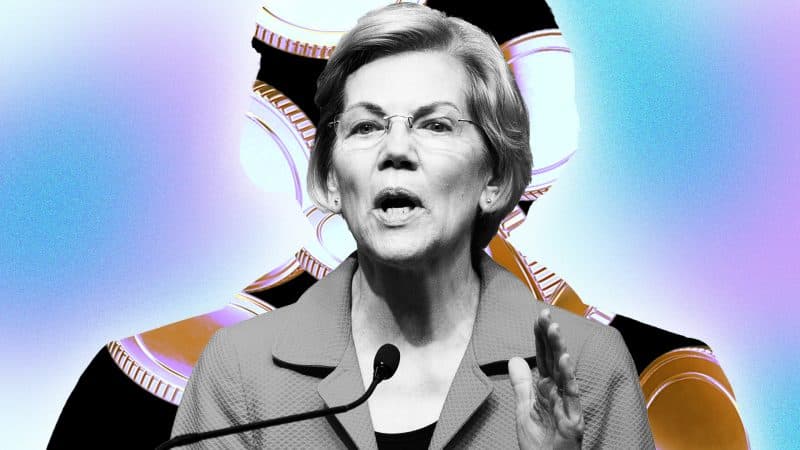
Two powerful senators are ramping up pressure on the Securities and Exchange Commission to launch a formal investigation into President Donald Trump's memecoin, signaling escalating tension between crypto regulation and political influence as Congress prepares for critical legislative votes.
Sens. Elizabeth Warren (D-MA) and Richard Blumenthal (D-CT) have filed a formal request with the SEC, demanding the agency examine whether Trump's memecoin offering violates securities laws or presents conflicts of interest given his political position. This move comes as the crypto industry holds its breath during what insiders are calling a "pivotal week" for landmark crypto legislation.
The Political Pressure Campaign
Warren and Blumenthal's intervention reflects growing concerns within Congress about memecoins and their regulatory gray areas. Their request specifically targets the circumstances surrounding Trump's token launch—particularly timing, promotional activities, and whether adequate disclosures were made to retail investors. The senators argue that sitting presidents shouldn't be simultaneously promoting speculative crypto assets while holding significant political power.
"We need the SEC to take action," the senators emphasized in their filing, pointing to what they characterize as potential conflicts of interest and unclear risk disclosures that could harm everyday investors drawn to the memecoin based on Trump's celebrity status rather than fundamental value.
Timing Matters: The Crypto Bill Moment
The investigation call lands during a critical juncture for crypto policy. Congress is actively debating major legislation that could reshape how digital assets are regulated across multiple agencies. This creates a complex backdrop: while some lawmakers push for clearer crypto frameworks that benefit the industry, others like Warren and Blumenthal are signaling they want enforcement tightened against high-profile actors first.
Industry observers see the move as partly political—using Trump's memecoin as a lightning rod for broader regulatory concerns. But it also highlights genuine questions about memecoin legitimacy and retail investor protection that have plagued crypto markets for years.
What This Means for Crypto Market Intelligence
For traders and portfolio managers monitoring regulatory risk, this development signals several things:
Regulatory unpredictability: High-profile crypto projects tied to political figures face asymmetric scrutiny. The memecoin ecosystem remains largely unregulated, but that status is clearly fragile.
Legislative momentum: The fact that senators are making formal SEC requests during active legislative negotiations suggests regulation is tightening regardless of which party controls Congress.
Enforcement appetite: The SEC may feel political pressure to act visibly on memecoins, potentially affecting similar projects beyond Trump's offering.
The coming week will likely determine whether crypto legislation passes in a form favorable to the industry or gets stalled, which would leave the regulatory landscape murkier and enforcement actions more sporadic.
Alpha Take
Warren and Blumenthal's SEC probe request isn't just grandstanding—it reflects real pressure building on securities regulators to tighten memecoin enforcement ahead of a major legislative vote. Traders should monitor whether the SEC formally opens an investigation, as that could trigger broader regulatory scrutiny across the memecoin space. For portfolio managers, this signals that high-profile crypto projects face elevated political and regulatory risk regardless of market fundamentals.
Originally reported by
The Block
Not financial advice. Crypto investing involves significant risk. Past performance does not guarantee future results. Always do your own research.