
Crypto Whale Makes History With First Private Mars Flyby Mission Booking
F2Pool co-founder Chun Wang is booking SpaceX's first private citizen Mars mission—and it won't be a landing. Wang, who built one of the world's largest Bitcoin mining pools, announced plans for a Starship flyby of Mars before SpaceX executes its ambitious human landing missions to the red planet.
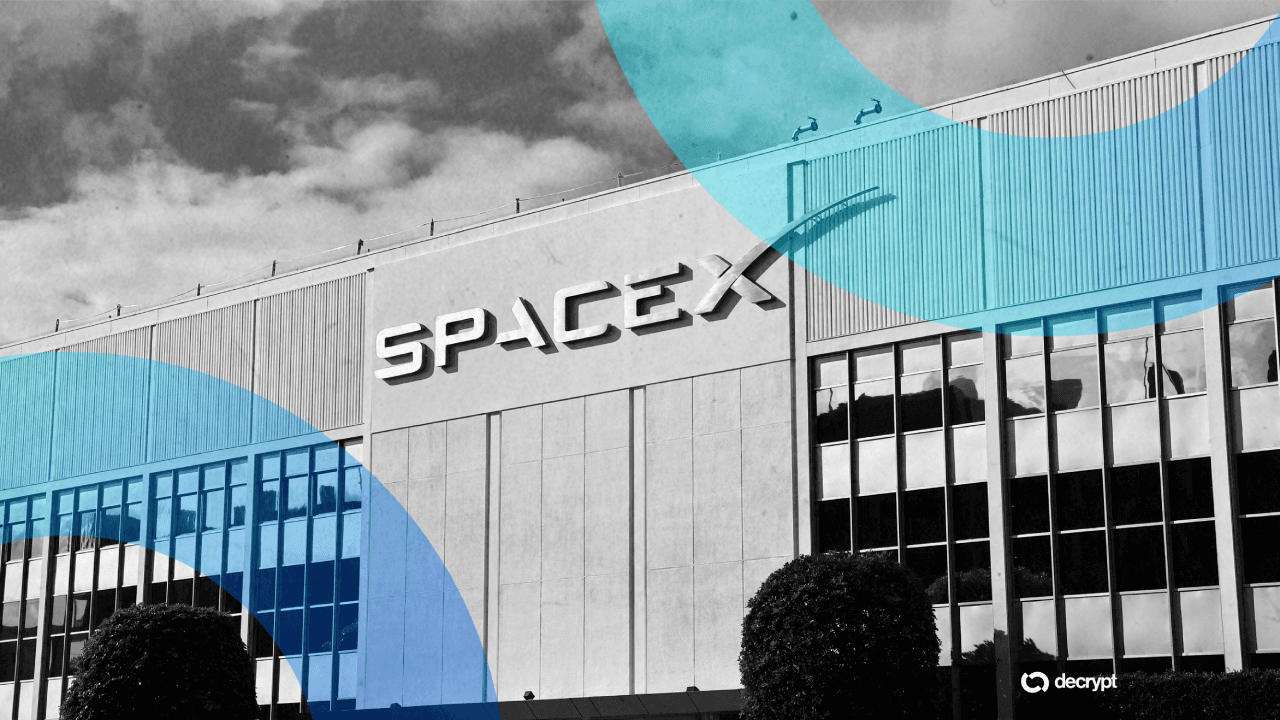
F2Pool co-founder Chun Wang is booking SpaceX's first private citizen Mars mission—and it won't be a landing.
Wang, who built one of the world's largest Bitcoin mining pools, announced plans for a Starship flyby of Mars before SpaceX executes its ambitious human landing missions to the red planet. This marks a significant moment where crypto wealth is directly financing cutting-edge space exploration.
The announcement underscores how the crypto economy has created a new class of ultra-high-net-worth individuals with capital to deploy on moonshot projects. Wang's decision to book this mission demonstrates the growing intersection between digital asset accumulation and aerospace innovation.
The F2Pool Empire Built on Bitcoin Mining
F2Pool represents one of the most successful operations in the crypto mining sector. As co-founder, Wang helped establish the platform as a dominant force in Bitcoin and Ethereum mining, capturing significant hash rate across multiple blockchain networks. The pool's profitability during various crypto market cycles—particularly the Bitcoin bull runs of 2017 and 2021—generated substantial wealth for its operators and stakeholders.
Mining pools like F2Pool essentially aggregate computational power from thousands of miners worldwide, pooling resources to solve blockchain puzzles more consistently than individual miners could alone. This business model proved exceptionally lucrative during periods of high crypto valuations and network activity.
SpaceX's Mars Strategy
Elon Musk's SpaceX has been explicit about its multi-phase Mars colonization strategy. The Starship flyby represents an intermediate step—allowing SpaceX to test trajectory calculations, communications systems, and spacecraft performance before attempting the considerably more complex task of soft-landing humans on Mars' surface.
A flyby mission generates valuable data without the exponentially higher technical requirements of a landing. It's a sensible proof-of-concept before committing to more ambitious objectives.
What This Signals for Crypto's Elite
Wang's booking signals that Bitcoin billionaires and top crypto executives are diversifying wealth into unconventional assets and experiences. We're seeing patterns where successful crypto entrepreneurs don't simply hodl their portfolios—they deploy capital across ventures spanning technology, space, and infrastructure.
The crypto trading and market intelligence space has documented how wealthy participants in digital assets increasingly view themselves as venture capitalists and visionaries rather than purely traders. The willingness to commit substantial resources to a Mars mission reflects this mentality.
Alpha Take
Wang's Mars mission booking represents both a personal achievement for a crypto entrepreneur and a broader indicator of how digital asset wealth is being leveraged beyond traditional finance. This move demonstrates that successful Bitcoin mining operations have generated durable, legitimate capital that holders choose to deploy on transformative projects. For portfolio managers tracking macro trends, watch for continued crossover investments from the crypto elite into aerospace, energy, and infrastructure sectors—areas where blockchain-derived wealth may reshape innovation timelines and funding availability.
Originally reported by
Decrypt
Not financial advice. Crypto investing involves significant risk. Past performance does not guarantee future results. Always do your own research.