
Decentralized Finance Hemorrhaging Capital: DeFi TVL Plummets 39% Amid Compounding Security Crisis
The decentralized finance sector is bleeding capital at an alarming rate. Total value locked across DeFi protocols cratered 39% throughout 2026, creating a perfect storm of bearish market conditions and investor erosion triggered by catastrophic security breaches.
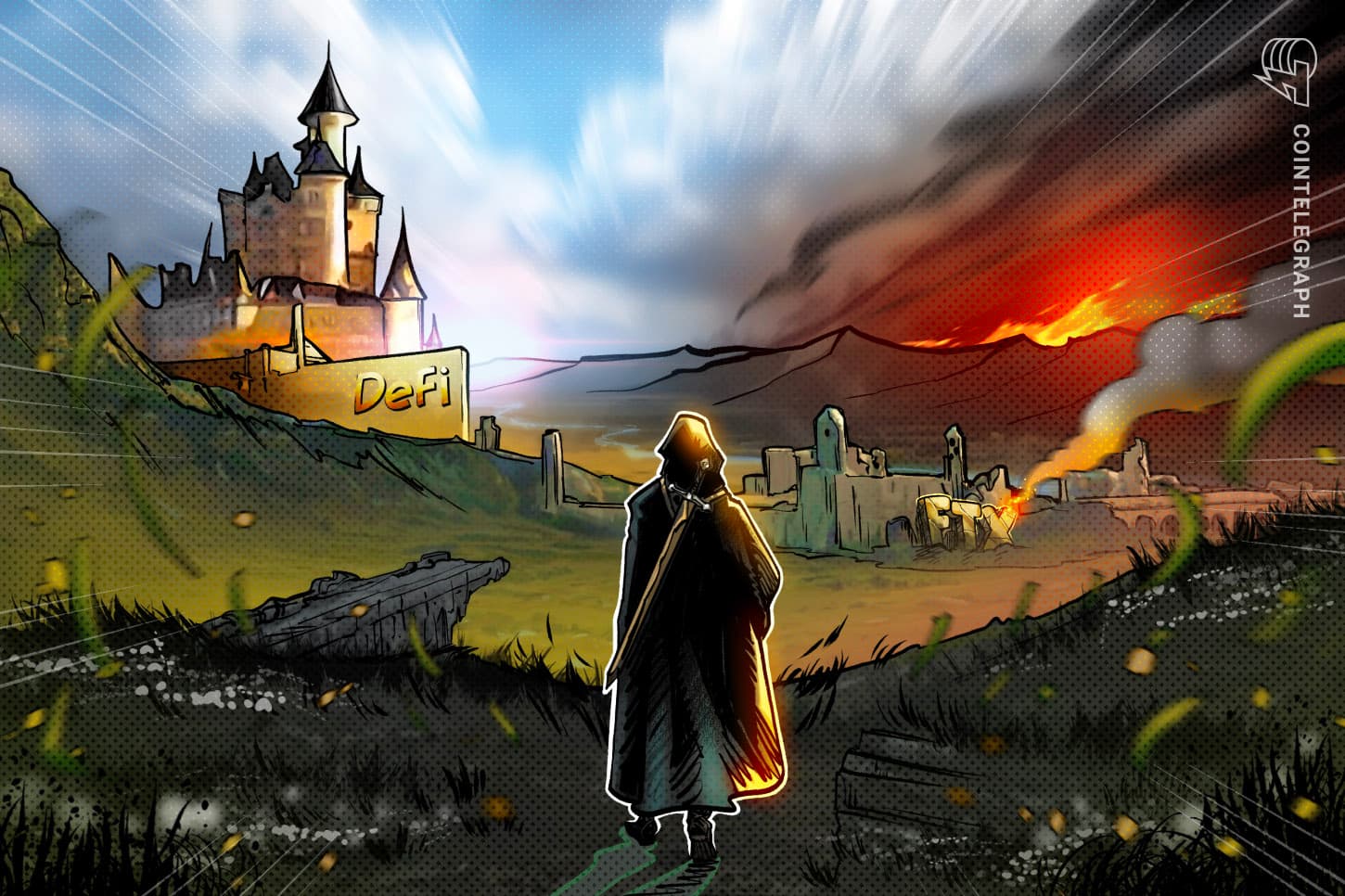
The decentralized finance sector is bleeding capital at an alarming rate. Total value locked across DeFi protocols cratered 39% throughout 2026, creating a perfect storm of bearish market conditions and investor erosion triggered by catastrophic security breaches.
The Numbers Tell the Story
That 39% collapse represents a significant wipeout for a sector that's supposed to offer financial sovereignty. We're watching real money vanish from crypto's most ambitious experiment—and it's not just price volatility talking. The sheer magnitude of this pullback signals genuine loss of confidence across the DeFi ecosystem, not temporary skittishness.
The timing is brutal. As broader crypto markets contracted, DeFi protocols faced the added headwind of mounting hacks and exploits that systematically drained user confidence. When investors already nervous about market direction start hearing about protocol vulnerabilities, they don't hesitate—they pull their capital and move on.
The Kelp DAO Hack: A Catalyst for the Exodus
The Kelp DAO exploit stands out as a watershed moment for 2026's DeFi downturn. Major hacks have a multiplier effect on market psychology. One significant breach doesn't just harm the affected protocol—it creates contagion across the entire sector as users question whether their "safe" liquidity providers might be next.
This "record hack activity" you're seeing isn't random noise. It reflects real structural vulnerabilities in how many DeFi protocols handle security. Smart contract audits, bug bounties, and multi-signature governance can only do so much when attackers are constantly probing for new vectors.
What This Means for DeFi's Future
Here's the hard truth: DeFi protocols need to prove they can provide both yield and security. The 39% TVL destruction suggests they're failing on the latter while offering diminishing returns on the former. Yield farming strategies that made sense in 2024 look reckless when your principal keeps getting hacked.
The sector faces a credibility crisis that goes beyond temporary market weakness. Institutional capital—which DeFi desperately needs for serious growth—won't flow into protocols with this safety profile. Sophisticated investors vote with their feet, and they're clearly walking away.
Alpha Take
The 39% DeFi TVL decline isn't just a correction; it's market participants repricing risk in the decentralized finance space. Kelp DAO and similar exploits have exposed the gap between DeFi's theoretical advantages and its actual execution track record. Smart portfolio managers should assess which protocols have genuinely upgraded their security infrastructure versus those just making marketing claims—because 2026's hack activity signals the market is about to get much more selective about where it allocates crypto capital.
Originally reported by
CoinTelegraph
Not financial advice. Crypto investing involves significant risk. Past performance does not guarantee future results. Always do your own research.