
Delaware Pushes Hard Against Crypto ATM Networks Over Consumer Protection Fears
Lawmakers in Delaware are moving forward with legislation that would effectively eliminate all cryptocurrency ATMs from the state, with operators facing a 90-day window to physically remove their machines or face enforcement action. The legislative push represents an escalating effort to crack dow
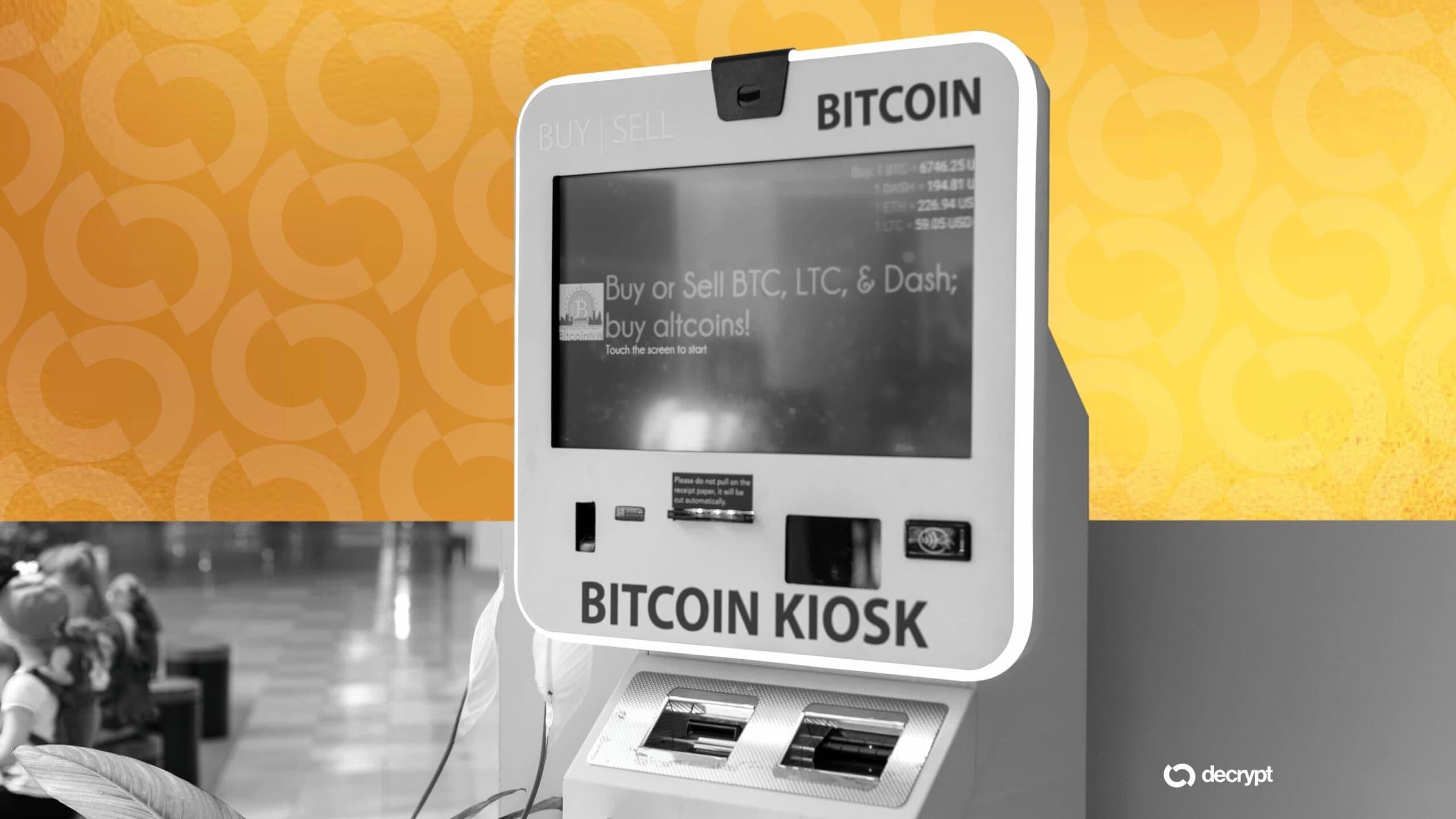
Lawmakers in Delaware are moving forward with legislation that would effectively eliminate all cryptocurrency ATMs from the state, with operators facing a 90-day window to physically remove their machines or face enforcement action.
The legislative push represents an escalating effort to crack down on what state officials characterize as predatory crypto infrastructure. The bill's advancement signals growing concern among policymakers about how easily retail consumers can access volatile digital assets through these kiosks, particularly in areas where financial literacy around bitcoin, ethereum, and other cryptocurrencies may be limited.
The Core Issue: Consumer Protection vs. Financial Access
Delaware's regulatory approach mirrors concerns we've seen across other jurisdictions grappling with the expansion of crypto infrastructure. The state's concern centers on crypto ATMs functioning as vehicles for poorly-informed transactions—particularly among vulnerable populations who may lack adequate understanding of market volatility and irreversible transaction mechanics.
The 90-day removal mandate creates a hard deadline that would force operators to make rapid business decisions. Rather than allowing gradual phase-outs, this compressed timeline essentially guarantees disruption to the crypto trading ecosystem for Delaware residents who've come to rely on these physical touchpoints for purchasing digital assets.
What This Means for the Broader Crypto Market
This isn't an isolated regulatory action. State-level restrictions on crypto infrastructure represent a fragmented approach to crypto regulation that creates operational headaches for legitimate businesses while often failing to address underlying concerns about user education and risk disclosure.
The bill's characterization of these kiosks as "predatory" hinges on specific concerns: high transaction fees, lack of consumer safeguards, and the potential for misuse. Proponents argue that cryptocurrency ATMs function without adequate guardrails, unlike traditional ATM networks regulated under banking frameworks.
However, the blanket ban approach sidesteps potential middle-ground solutions—like enhanced disclosure requirements, transaction limits, or mandatory cooling-off periods for high-value crypto purchases through these kiosks.
The Regulatory Precedent
Delaware's legislative movement follows a pattern we've tracked across the crypto analysis landscape: states pursuing outright restrictions rather than thoughtful regulation. This differs from jurisdictions that have chosen licensing frameworks or compliance-based oversight models that allow market participation while establishing baseline protections.
For traders and portfolio managers monitoring regulatory risk, this development underscores the importance of tracking state-level crypto restrictions. While federal frameworks around bitcoin and ethereum regulation remain incomplete, individual states are increasingly filling gaps with their own rules—creating a patchwork that affects market access and trading infrastructure.
Alpha Take
Delaware's cryptocurrency ATM ban reflects the growing tension between enabling financial access and protecting consumers from misusing volatile digital assets. For crypto market participants, this highlights regulatory fragmentation as a real operational risk—individual states are moving faster than federal regulators to restrict infrastructure, which will likely reshape how retail traders access crypto markets. Watch for similar legislation across other states as this becomes a template for consumer protection-focused crypto regulation.
Originally reported by
Decrypt
Not financial advice. Crypto investing involves significant risk. Past performance does not guarantee future results. Always do your own research.