
Democrats Push SEC on AI Trading Bots: What's at Stake for Retail Crypto Investors
House Democrats are escalating pressure on the SEC, demanding clarity on how AI agents operating on crypto trading platforms can make "consequential investment decisions on behalf of retail investors. " The move signals growing regulatory concern about autonomous trading systems that could expose un
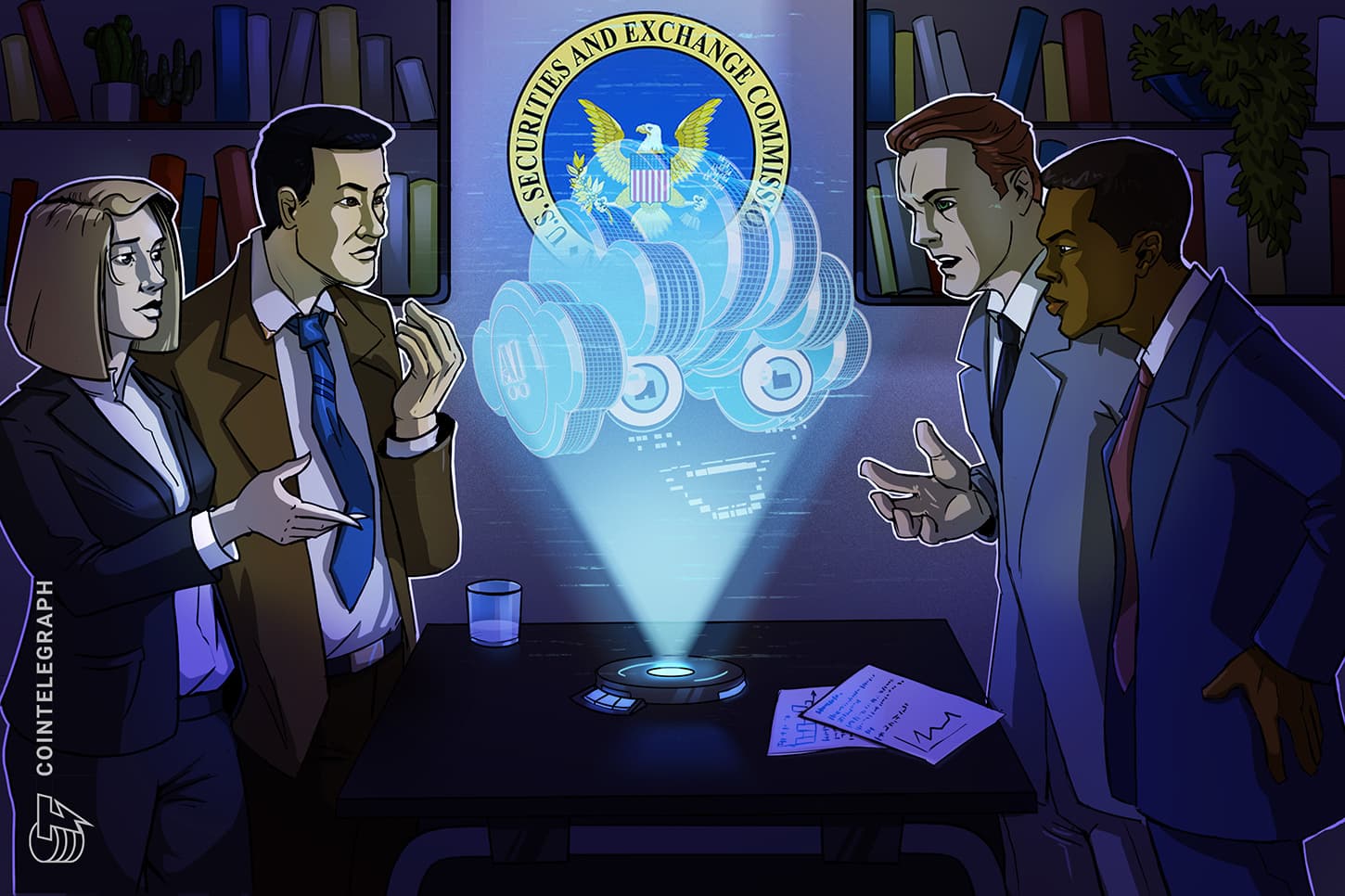
House Democrats are escalating pressure on the SEC, demanding clarity on how AI agents operating on crypto trading platforms can make "consequential investment decisions on behalf of retail investors." The move signals growing regulatory concern about autonomous trading systems that could expose unprepared retail participants to significant market risks.
The Core Issue: Autonomy Without Accountability
The Democratic caucus has raised a critical question that's become increasingly urgent as AI-powered trading tools proliferate across crypto platforms: who's actually responsible when algorithmic agents execute trades that move real money? These systems aren't just offering suggestions—they're actively making decisions that directly impact portfolio performance and capital allocation.
What makes this particularly thorny for regulators is the intersection of emerging crypto trading infrastructure and cutting-edge AI capabilities. Unlike traditional investment advisors bound by fiduciary standards, many AI agents operate in a regulatory gray zone where accountability becomes murky. When a bot executes a "consequential" trade that tanks a retail investor's position, the liability chain gets complicated fast.
Why Retail Investors Are at Risk
The crypto market has always attracted retail traders seeking edge and efficiency. AI agents promise both—algorithmic decision-making that operates 24/7 with zero emotional bias. But this efficiency comes with hidden costs. Retail investors using these platforms often lack the technical sophistication to understand how these systems make trade decisions or what risk parameters are actually baked into the code.
The SEC's traditional approach to investment advisors doesn't cleanly apply to autonomous AI trading agents. Standard rules assume human judgment and accountability. An AI system making trades based on machine-learning models trained on historical data operates under fundamentally different assumptions—and carries different failure modes.
What Democrats Want Answers On
The House inquiry is focusing on several critical gaps:
Disclosure requirements: Are platforms clearly explaining how AI agents make decisions and what risks exist?
Consumer protections: What safeguards prevent retail investors from deploying these bots with inadequate capital or risk management?
Regulatory classification: Should AI trading agents be classified as investment advisors, requiring registration and fiduciary oversight?
Market impact: How do autonomous trading systems influence crypto market stability when deployed at scale?
The Broader Regulatory Picture
This pressure from House Democrats reflects a pattern we're tracking at Alpha Factory: crypto regulation is shifting from whether authorities should act to how and when. The SEC already indicated it's scrutinizing AI-driven investment strategies. This congressional push accelerates that timeline significantly.
The crypto trading community should prepare for stricter disclosure requirements and potential registration mandates for AI advisory platforms. Platforms operating in this space need to document their algorithmic decision-making processes now—waiting for formal rules could become expensive later.
Alpha Take
The SEC faces genuine challenges in regulating AI agents without stifling innovation in crypto trading. Expect compromise solutions: likely registration requirements for sophisticated AI advisors combined with scaled disclosure rules based on asset levels and retail customer exposure. Platforms that proactively adopt transparency standards will have competitive advantage as regulation crystallizes.
Originally reported by
CoinTelegraph
Not financial advice. Crypto investing involves significant risk. Past performance does not guarantee future results. Always do your own research.