
Dutch Court Seizes Crypto Platform Knaken, Orders Bankruptcy Over Vanished Customer Funds
A Rotterdam court has officially declared crypto trading platform Knaken bankrupt, ruling that the company's asset position has deteriorated so severely that an orderly liquidation is the only viable path forward for affected users. The Insolvency Decision The court's determination centers on
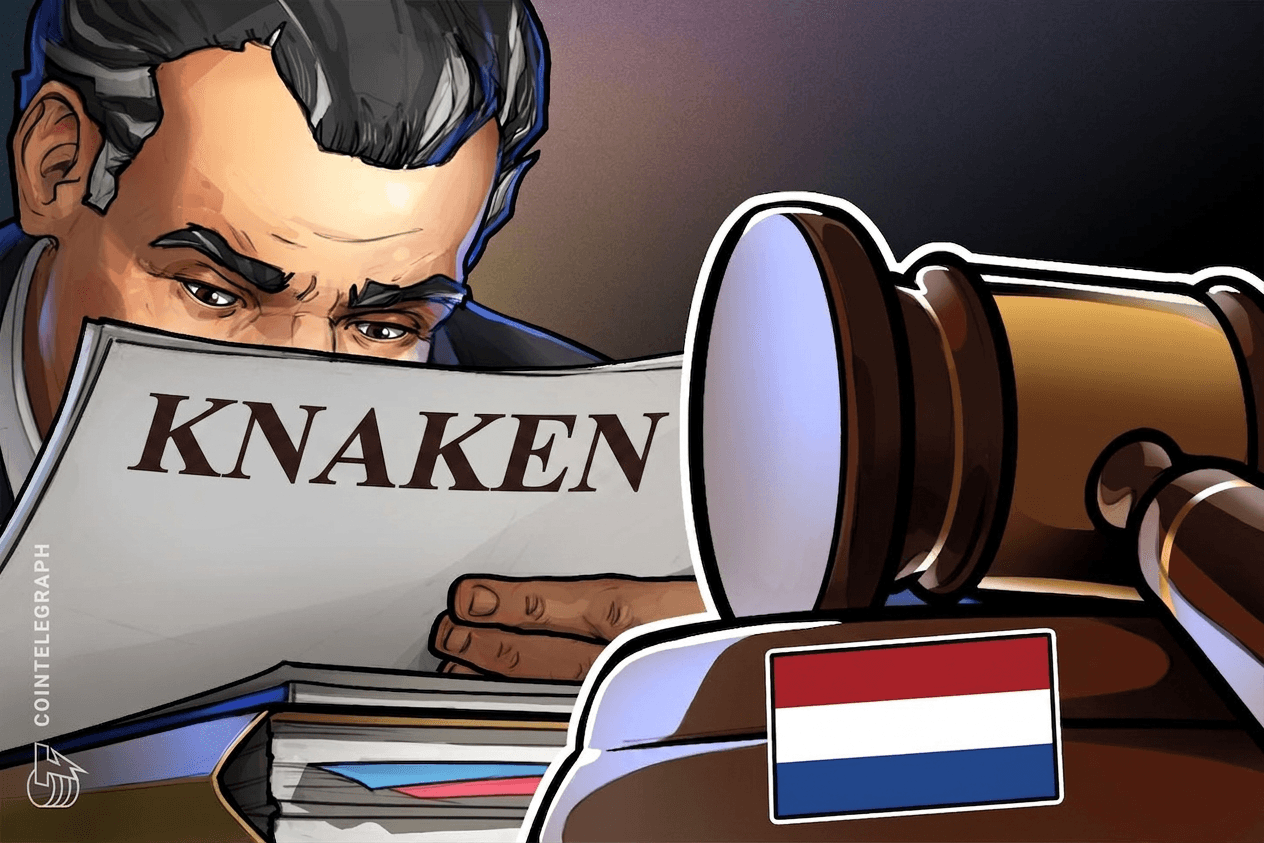
A Rotterdam court has officially declared crypto trading platform Knaken bankrupt, ruling that the company's asset position has deteriorated so severely that an orderly liquidation is the only viable path forward for affected users.
The Insolvency Decision
The court's determination centers on a stark reality: Knaken simply doesn't possess sufficient assets to honor its obligations to customers. This isn't speculation—it's a formal legal assessment that bankruptcy proceedings offer the most structured mechanism for settling claims, even if that settlement falls short of full reimbursement.
Rotterdam courts don't make these declarations lightly. The decision reflects a thorough evaluation of the platform's financial standing and the futility of attempting traditional recovery measures. When a crypto exchange or trading platform reaches this point, it signals that management has lost control of the situation and external intervention is necessary.
What This Means for Users
For traders and investors who held funds on Knaken, this development creates both clarity and uncertainty. Bankruptcy proceedings establish a legal framework for asset recovery—creditors get ranked, claims get processed, and whatever remains gets distributed according to established protocols. It's orderly, but it's also often disappointing; users typically recover only a fraction of their holdings.
The crypto industry has seen this pattern repeatedly. When platforms collapse—whether due to mismanagement, fraud, or market forces—bankruptcy becomes the default mechanism for trying to salvage something for customers. We've watched this unfold with FTX, Celsius, and numerous smaller exchanges over the past few years.
Broader Industry Implications
Knaken's situation underscores a persistent vulnerability in the crypto ecosystem: custody risk and operational transparency. Even as institutional adoption accelerates and regulatory frameworks mature, individual platforms remain susceptible to internal failures that can evaporate customer assets overnight.
The absence of sufficient assets—rather than technical difficulties or temporary liquidity crunches—tells us this wasn't a solvency hiccup. This was systematic insolvency. That distinction matters because it suggests the problem wasn't recent or recoverable; it was foundational.
For the broader crypto community, Knaken joins a growing list of cautionary tales. It reinforces why due diligence on platform selection matters enormously. Not all crypto exchanges carry equal risk profiles, and track records, regulatory compliance, insurance coverage, and transparent financial reporting should influence where you keep your bitcoin, ethereum, or other digital assets.
Alpha Take
Knaken's bankruptcy declaration is a textbook example of why custody solutions and platform selection demand serious due diligence in crypto trading. The absence of sufficient customer assets to cover obligations points to deep operational failures rather than temporary market stress. For portfolio managers and traders, this reinforces the critical importance of diversifying custodial arrangements and prioritizing platforms with demonstrable financial transparency and regulatory oversight. When an exchange can't account for customer funds, bankruptcy proceedings become damage control—not recovery.
Originally reported by
CoinTelegraph
Not financial advice. Crypto investing involves significant risk. Past performance does not guarantee future results. Always do your own research.