
El Salvador Clinches $138M IMF Deal as Bitcoin Tensions Cool
El Salvador has secured a $138 million disbursement from the International Monetary Fund, marking a significant thaw in relations after months of standoff over the country's aggressive Bitcoin adoption strategy. The funding release signals the IMF's willingness to work around El Salvador's controv
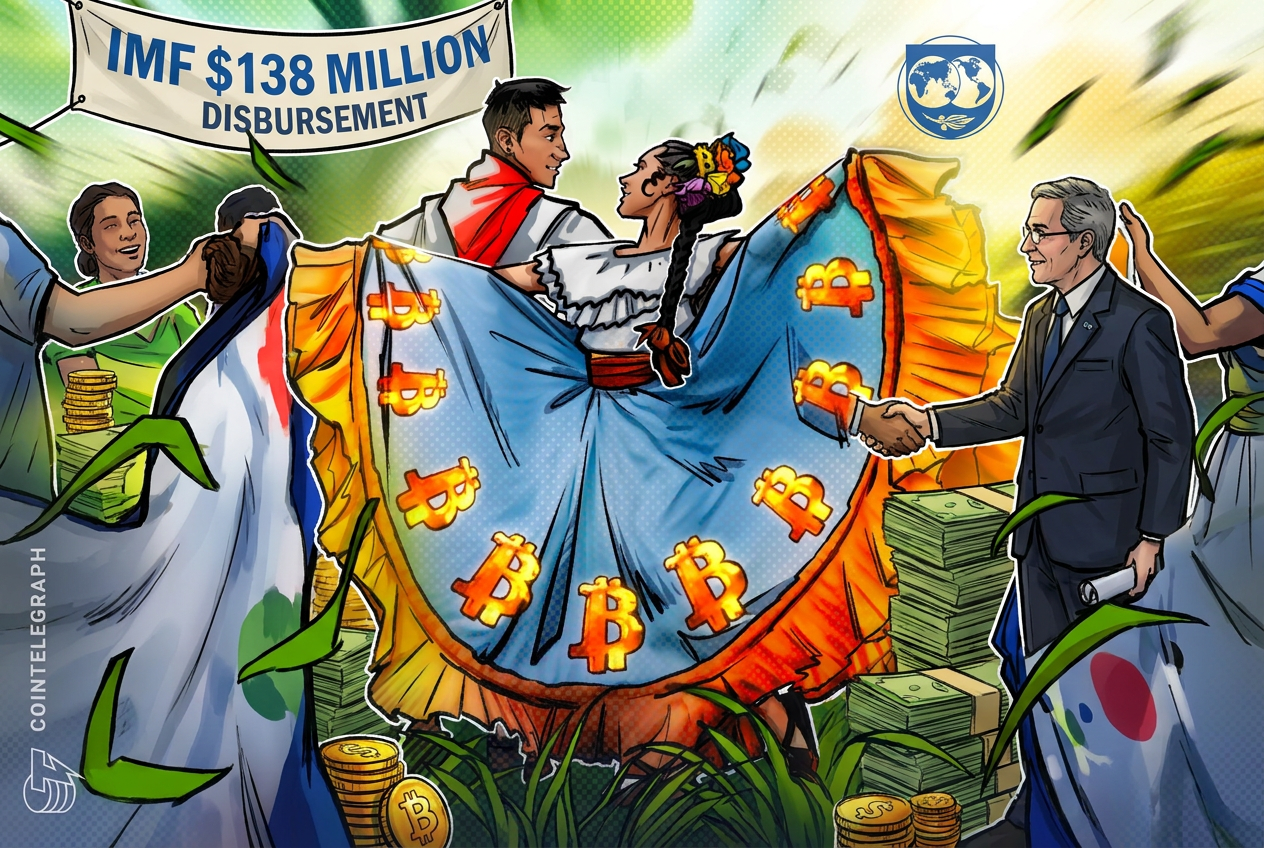
El Salvador has secured a $138 million disbursement from the International Monetary Fund, marking a significant thaw in relations after months of standoff over the country's aggressive Bitcoin adoption strategy.
The funding release signals the IMF's willingness to work around El Salvador's controversial crypto stance—a major shift from earlier positions. The deal doesn't require El Salvador to abandon Bitcoin entirely, but rather commits the nation to a more measured approach moving forward.
What Changed at the Negotiating Table
The breakthrough hinges on a critical concession: El Salvador has agreed to dial back direct state involvement in Bitcoin-related activities. This addresses one of the IMF's core concerns about fiscal risk and balance sheet vulnerabilities. Rather than the government aggressively accumulating Bitcoin through its "Bitcoin City" initiative or mandatory payment acceptance, the focus now pivots toward private sector participation and voluntary adoption.
Equally important, El Salvador committed to strengthening crypto-asset regulation and governance frameworks. The IMF emphasized this in its official statement: "Efforts will continue to reduce the state's involvement in Bitcoin-related activities and to strengthen crypto‑asset regulation and governance."
Translation: The fund wants guardrails in place. Better oversight of exchanges, clearer consumer protections, and institutional safeguards reduce systemic risk—concerns that legitimate regulators across the crypto industry share.
The Bigger Picture for Crypto Market Intelligence
This settlement matters beyond El Salvador's borders. Here's why: the country became a real-world test case for Bitcoin adoption at the sovereign level. When El Salvador made Bitcoin legal tender in 2021, it caught global attention—both bullish and bearish crypto observers watched closely. The IMF's initial resistance reflected broader institutional skepticism about cryptocurrency integration at scale.
This compromise suggests a potential playbook: countries interested in crypto innovation don't need to go all-in unilaterally. Structured, regulated frameworks with private-sector leadership can satisfy both bold crypto ambitions and traditional financial oversight concerns. That's relevant for portfolio managers evaluating crypto adoption across emerging markets.
El Salvador still holds Bitcoin strategically, and the nation hasn't reversed legal tender status. Citizens retain the right to use Bitcoin for transactions. What's changed is the government's role—from aggressive buyer and mandator to facilitator and regulator.
Alpha Take
This $138 million deal represents a pragmatic compromise: El Salvador gets IMF funding without sacrificing crypto ambitions entirely, while the Fund gets assurances on governance and reduced state balance-sheet risk. For crypto traders and analysts, the signal is clear—large institutional players (including multilateral lenders) are moving past ideological opposition toward managed integration. Watch how this framework influences other nations exploring Bitcoin adoption; it could become the template for responsible sovereign crypto engagement. The real test: whether El Salvador's regulatory improvements actually deliver on crypto consumer protection promises.
Originally reported by
CoinTelegraph
Not financial advice. Crypto investing involves significant risk. Past performance does not guarantee future results. Always do your own research.