
Elon Musk's $150 Billion OpenAI Lawsuit Gets Dismissed by Court Decision
The courtroom drama between Elon Musk and OpenAI has officially wrapped—and it wasn't the outcome he was betting on. A jury sided with OpenAI and Sam Altman, closing the book on Musk's attempt to extract $150 billion from the AI powerhouse he helped launch.
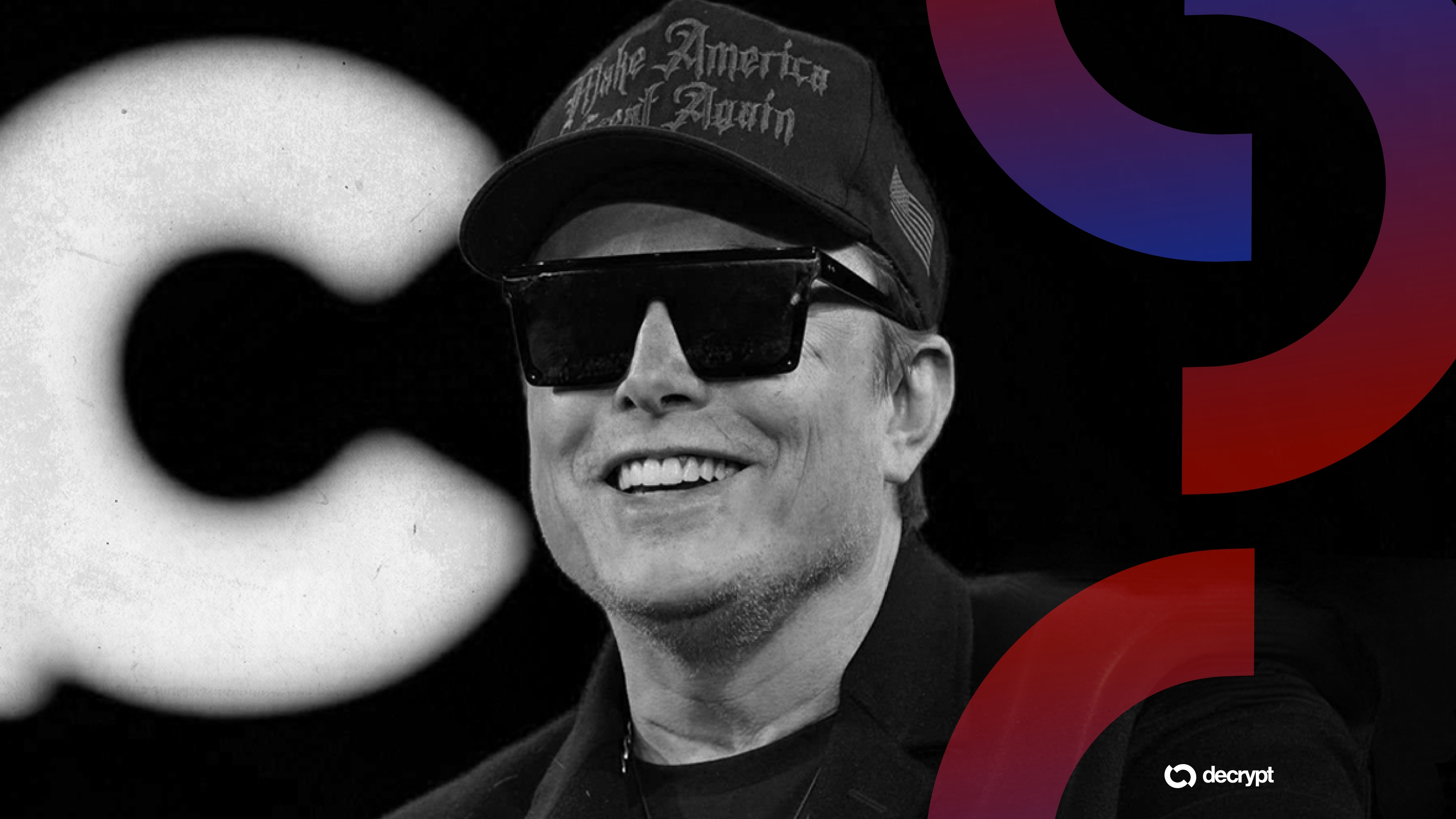
The courtroom drama between Elon Musk and OpenAI has officially wrapped—and it wasn't the outcome he was betting on. A jury sided with OpenAI and Sam Altman, closing the book on Musk's attempt to extract $150 billion from the AI powerhouse he helped launch.
What Musk Was Fighting For
Musk's legal strategy centered on claims that OpenAI violated its founding charter by transitioning from a non-profit research lab to a for-profit enterprise. His fundamental argument: the company abandoned its original mission to develop AI safely and benefit humanity, instead pivoting to maximize shareholder returns. He wanted the court to force OpenAI back into non-profit status and demanded $150 billion in damages—a number that underscores just how seriously he was pursuing this claim.
The lawsuit represented Musk's most aggressive move yet against his former collaborator after years of escalating public criticism about OpenAI's direction and its partnership with Microsoft.
How the Jury Ruled
The jury's decision validates OpenAI's business model and Sam Altman's leadership decisions since the for-profit conversion. The verdict essentially confirms that OpenAI was within its rights to restructure, despite Musk's arguments that this betrayed the company's original intent.
This isn't just a legal technicality—it's a major validation. OpenAI now operates under a hybrid structure where the for-profit entity exists under a non-profit parent, and the jury determined this arrangement doesn't constitute a material breach of founding principles.
The Broader Crypto and AI Market Implications
While this lawsuit centers on corporate governance rather than blockchain or crypto directly, the outcome matters for how we think about AI-driven crypto projects and their accountability. The decision reinforces that even high-profile founders can't reverse a company's strategic pivot once implemented, especially when board governance is properly documented.
For our analysis of the crypto intelligence space, this tells us something critical: business model transitions are increasingly legally defensible when executed transparently. That's relevant for any crypto platform considering non-profit to for-profit conversions or vice versa.
What's Next for Musk?
The dismissal likely closes this chapter between Musk and OpenAI, though Musk's skepticism of the company's trajectory hasn't wavered. He's already shifted his focus toward his own AI venture, xAI, positioning himself as a counterweight to what he views as OpenAI's misalignment with its founding principles.
The courtroom loss won't silence his criticism, but it does remove his most powerful legal lever. For investors and traders following the AI narrative within crypto markets, this signals that the competitive AI landscape remains fragmented—and regulation-resistant in favor of incumbent for-profit structures.
Alpha Take
Musk's loss clarifies a crucial market principle: founders don't get legal veto power over corporate pivots once the board structures are in place. For crypto platforms eyeing traditional business model transitions, this ruling suggests courts will defer to documented governance decisions. Watch for how other decentralized projects navigate similar charter-versus-reality tensions—this precedent now favors execution over nostalgia.
Originally reported by
Decrypt
Not financial advice. Crypto investing involves significant risk. Past performance does not guarantee future results. Always do your own research.