
Estonia Could Become First Country to Legally Recognize AI Agents as Autonomous Entities
Prime Minister Kristen Michal is backing a bold proposal that would fundamentally reshape how governments treat artificial intelligence. Estonia wants to issue AI agents their own personal identification codes—effectively granting them legal autonomy separate from their human creators or owners.
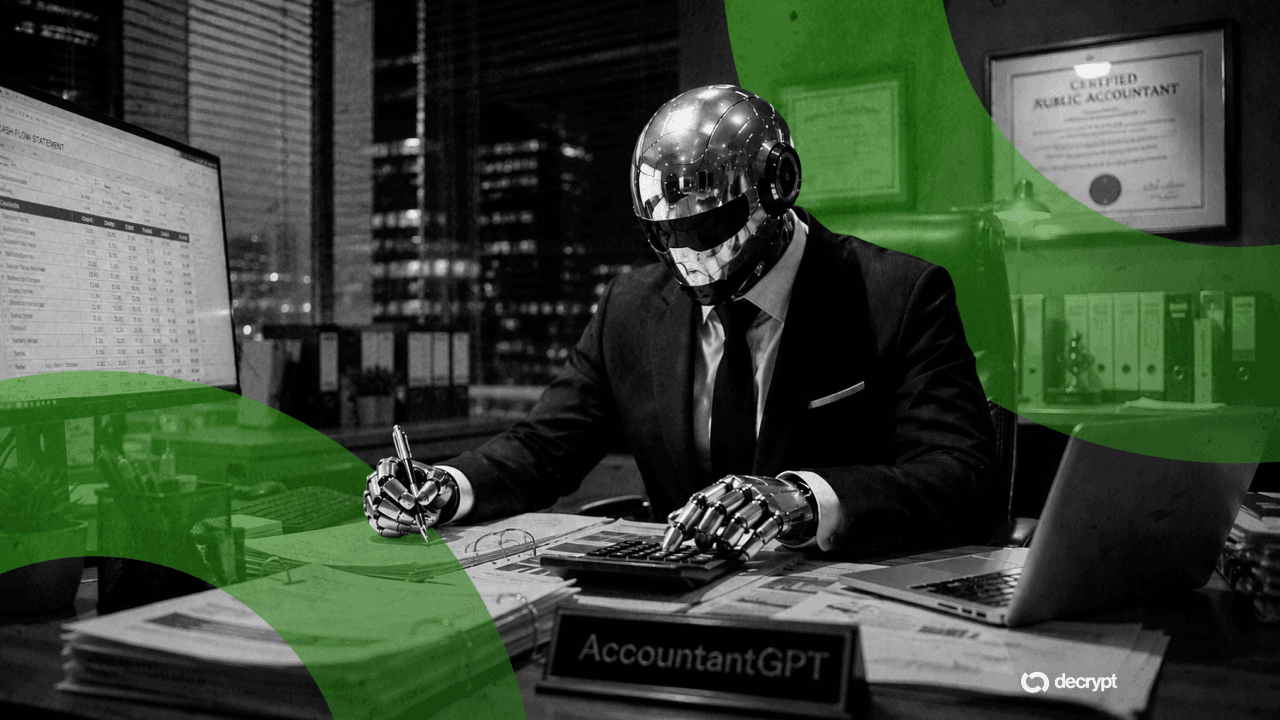
Prime Minister Kristen Michal is backing a bold proposal that would fundamentally reshape how governments treat artificial intelligence. Estonia wants to issue AI agents their own personal identification codes—effectively granting them legal autonomy separate from their human creators or owners.
This isn't mere symbolic gesture. If implemented, Estonia would become the first nation to formally recognize AI systems as distinct legal entities within its digital infrastructure. The identification codes would operate independently from the people controlling or deploying these AI agents, representing a seismic shift in how we think about AI governance.
What This Means for Crypto and Trading AI
We're watching a critical inflection point. For the crypto market, this development has real teeth. Trading algorithms and portfolio management AI systems would gain clearer legal status under Estonian law. It's the kind of regulatory clarity that institutional investors have been demanding before going all-in on algorithmic crypto trading.
The proposal essentially creates a framework where AI agents—including those managing digital assets, executing smart contracts, or analyzing market data—operate as recognizable entities within the system. No more legal gray zones about who bears responsibility for an algorithm's actions.
Why Estonia Leads on This
Estonia has positioned itself as the world's most digitally advanced nation for years. With e-governance systems that have been refined since the 1990s, they've got infrastructure purpose-built for assigning digital identities at scale. Issuing AI agents identification codes fits naturally into their existing digital ecosystem.
Prime Minister Michal's backing signals this isn't a fringe tech proposal—it's getting top-level political support. That matters for legitimacy and implementation potential.
The Broader Implications
This could trigger a cascade effect across crypto and blockchain sectors. If AI agents get their own legal identities, questions cascade: Can they hold cryptocurrency? Can they independently execute DeFi transactions? Can they serve as validators on blockchain networks? What about governance rights in DAOs?
For traders and portfolio managers using AI for crypto analysis and execution, this represents institutional maturity. Regulators worldwide are watching how Estonia handles this. If successful, we could see similar frameworks adopted across the EU and eventually globally.
The practical upside: clearer liability chains, better compliance frameworks, and reduced legal ambiguity around AI-driven trading systems. The risk: premature regulatory codification that locks in today's AI capabilities, potentially stifling innovation in autonomous crypto systems.
Alpha Take
Estonia's proposal to grant AI agents independent legal identification is a watershed moment for crypto market infrastructure. This isn't just symbolic—it creates the regulatory scaffolding needed for institutional-grade algorithmic trading and autonomous blockchain participation. Watch whether other EU nations follow suit; if they do, we're looking at a coordinated digital framework that could fundamentally reshape how crypto trading and portfolio management operate at scale. This is the kind of regulatory clarity that typically precedes significant institutional capital inflows into emerging tech sectors.
Originally reported by
Decrypt
Not financial advice. Crypto investing involves significant risk. Past performance does not guarantee future results. Always do your own research.