
Ethereum Holdings Position BitMine to Capitalize on Russell Index Liquidity Event
Tom Lee, the Fundstrat Global Advisors co-founder and prominent crypto analyst, has identified a meaningful liquidity catalyst for BitMine, an Ethereum-focused investment vehicle. The catalyst stems from the upcoming Russell Index reconstitution, a periodic event that drives significant trading vol
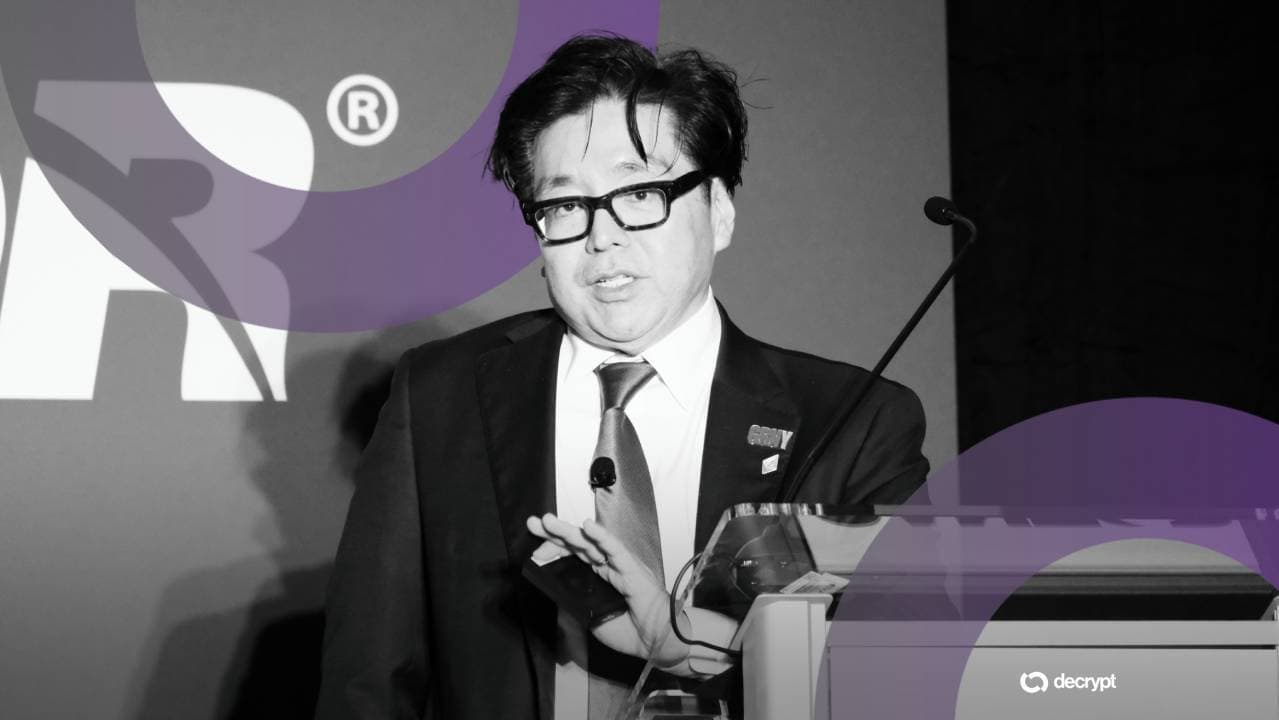
Tom Lee, the Fundstrat Global Advisors co-founder and prominent crypto analyst, has identified a meaningful liquidity catalyst for BitMine, an Ethereum-focused investment vehicle. The catalyst stems from the upcoming Russell Index reconstitution, a periodic event that drives significant trading volumes and capital flows through passive index funds.
BitMine's position is particularly compelling because the firm owns 3.8% of Ethereum's total supply—a substantial concentration that could see heightened trading activity as index fund managers rebalance their portfolios. For context, that's roughly 4.5 million ETH in circulation, representing meaningful dry powder for liquidity events.
The Russell Reconstitution Advantage
Index reconstitutions aren't typically glamorous market events, but they're brutally effective at moving capital. When Russell's indices undergo their annual rebalancing—set to occur in June—passive funds tracking these indices must adjust their holdings. If BitMine's holdings become newly eligible for inclusion or gain increased weighting in Russell indices, the mechanics are straightforward: passive managers flood in as buyers, creating temporary but intense liquidity spikes.
Lee's thesis taps into what we call "algorithmic demand"—the kind of buying pressure that doesn't care about price, only about mandate adherence. For a firm holding nearly 4% of Ethereum's circulating supply, that's potent.
Why This Matters for Ethereum and Crypto Analysis
The broader implication here touches on something crucial for crypto market intelligence: institutional infrastructure keeps maturing. BitMine's existence—a firm structured specifically to hold Ethereum as a core digital asset—reflects the growing legitimacy of crypto within traditional portfolio construction. Russell Index eligibility is a milestone precisely because it signals institutional acceptance.
For traders and portfolio managers watching crypto, this is a concrete example of how traditional market mechanics can create outsized opportunities in crypto assets. Bitcoin and Ethereum have historically followed their own rhythms, but as they integrate deeper into traditional financial structures, index rebalancing becomes a real factor to monitor.
The Liquidity Mechanics
Here's what actually happens: Russell reconstitutions generate trading volume spikes of 5-15% above normal levels for affected securities. For an Ethereum-correlated play like BitMine, that means concentrated buying pressure over a defined window. Lee's positioning this as a catalyst because it's predictable, quantifiable, and historically effective.
The timing is worth noting. In a crypto market where genuine catalysts are scarce and often priced in immediately, the Russell event offers something different—a mechanical tailwind from asset managers who have no discretion in the matter.
Alpha Take
BitMine's 3.8% Ethereum position creates a meaningful arbitrage opportunity around the Russell Index reconstitution. For crypto traders and institutional portfolio managers, this is a textbook example of how traditional financial infrastructure now generates demand signals in digital assets. Monitor the official Russell announcement closely; mechanical index buying can move markets even when sentiment doesn't justify it.
Originally reported by
Decrypt
Not financial advice. Crypto investing involves significant risk. Past performance does not guarantee future results. Always do your own research.