
Ethereum's Next Evolution: Vitalik Buterin Doubles Down on Privacy and Quantum-Resistant Security
Ethereum's roadmap is shifting toward two critical priorities that could reshape the protocol's long-term viability: privacy and quantum resistance. Vitalik Buterin, Ethereum's co-founder, is positioning these upgrades as central pillars of what he's calling the protocol's "third major iteration.
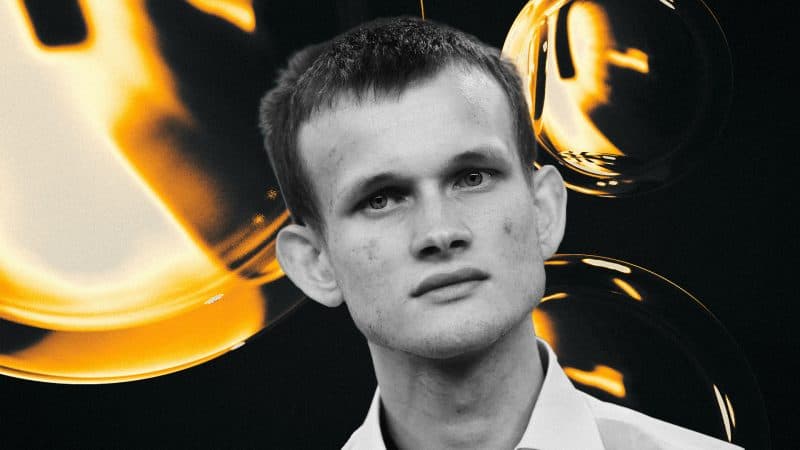
Ethereum's roadmap is shifting toward two critical priorities that could reshape the protocol's long-term viability: privacy and quantum resistance. Vitalik Buterin, Ethereum's co-founder, is positioning these upgrades as central pillars of what he's calling the protocol's "third major iteration."
This move signals recognition of a fundamental reality in crypto: as blockchain technology matures and regulatory scrutiny intensifies, privacy becomes non-negotiable. Equally important, quantum computing poses an existential threat to current cryptographic standards that secure everything from Bitcoin to Ethereum. Buterin's roadmap acknowledges both challenges simultaneously.
What We're Actually Seeing
The proposed upgrades under this "Lean Ethereum" initiative represent more than incremental improvements. Buterin previously stated that these enhancements will constitute the protocol's "third major iteration"—placing them on the same developmental tier as earlier transformational phases like the Merge (the transition to proof-of-stake) and the EIP-1559 fee restructuring.
For market participants, this matters considerably. Privacy improvements could enable confidential transactions and smart contracts, reducing exposure in trading activities and protecting on-chain financial strategies. Quantum resistance means hardening the protocol against future computational threats that could theoretically compromise private key cryptography.
The Timing Question
The crypto market has been waiting for clarity on Ethereum's evolution beyond Layer 2 scaling and the Beacon Chain transition. While those upgrades addressed throughput and energy efficiency, they didn't tackle the deeper architectural questions about privacy and long-term security resilience.
By emphasizing these elements now, Buterin is telegraphing that Ethereum development will extend well into the next decade—and that the protocol's competitive positioning depends on solving problems that haven't fully materialized yet. This is the opposite of reactive engineering; it's strategic foresight.
Practical Implications
For institutional traders and portfolio managers, privacy-first upgrades could make Ethereum more appealing for sensitive financial operations. Enterprises running confidential contracts would have stronger assurances. For smaller participants, quantum-resistant cryptography provides insurance against an uncertain but non-zero future risk.
The roadmap also signals continued technical ambition within the Ethereum ecosystem. Layer 2 solutions like Arbitrum and Optimism won't be rendered obsolete—they'll operate within a more secure and privacy-conscious base layer.
The Longer View
Buterin's emphasis on these upgrades reflects mature thinking about blockchain technology's role. Rather than chasing current market trends (AI tokens, meme coins, or whatever dominates social media this week), Ethereum's leadership is investing in foundational improvements that serve the protocol's credibility over the next 5-10 years.
This is how crypto infrastructure gets built. Not through hype cycles, but through deliberate engineering focused on security, functionality, and long-term resilience. Privacy and quantum resistance aren't flashy upgrades, but they're exactly what institutional adoption and regulatory acceptance require.
Alpha Take
Buterin's roadmap prioritization tells us that Ethereum's leadership sees privacy and quantum security as table-stakes for next-generation blockchain infrastructure. These upgrades won't drive short-term price action, but they reinforce Ethereum's positioning as the serious smart contract platform for institutions and serious traders. Watch for developer activity around these initiatives—it's the true leading indicator for execution capability.
Originally reported by
The Block
Not financial advice. Crypto investing involves significant risk. Past performance does not guarantee future results. Always do your own research.