
Fed's Crypto Payment Account Falls Short: Anchorage Digital Slams Proposed Plan as Inadequate
Anchorage Digital, one of the industry's leading digital asset custodians, is pushing back hard on the Federal Reserve's proposed payment account framework—arguing it simply won't cut it for crypto firms operating at scale. The core issue: the Fed's plan to grant certain crypto companies access to
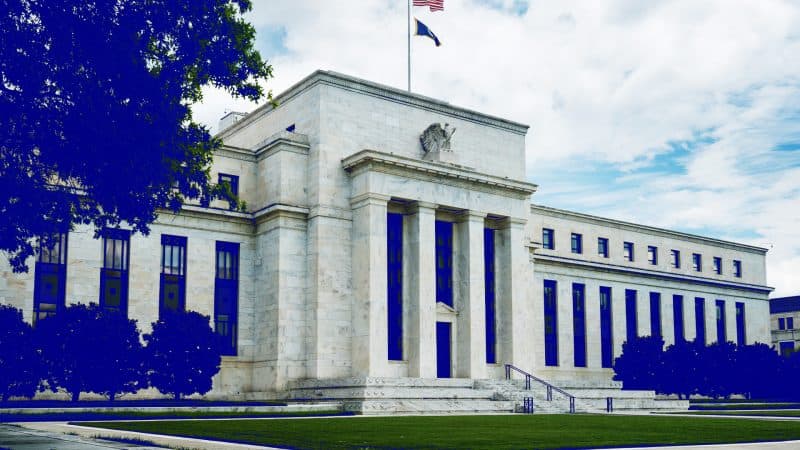
Anchorage Digital, one of the industry's leading digital asset custodians, is pushing back hard on the Federal Reserve's proposed payment account framework—arguing it simply won't cut it for crypto firms operating at scale.
The core issue: the Fed's plan to grant certain crypto companies access to a central bank payment account doesn't address the fundamental infrastructure needs that institutional players require. According to Anchorage Digital's analysis, the proposal functions as a theoretical concession rather than a practical solution for the sector's operational demands.
Why the Plan Falls Flat
Anchorage Digital's critique centers on a critical gap. The Fed's payment account structure fails to provide what crypto infrastructure companies need: genuine access to real-time settlement, liquidity management tools, and the operational flexibility that traditional financial institutions take for granted. Without these components, the system becomes more of a PR exercise than meaningful regulatory progress.
The platform firm emphasized that the proposed framework isn't a "workable substitute" for master accounts—the actual banking relationships that would unlock serious institutional adoption. Master accounts provide direct access to Federal Reserve services, including overnight lending facilities and other critical monetary tools. The alternative the Fed is offering? A pale shadow of those capabilities.
Institutional Crypto Adoption Depends on This
This matters because institutional crypto adoption hinges on infrastructure reliability. Hedge funds, asset managers, and corporate treasuries won't dramatically increase their digital asset exposure until the plumbing is solid. They need confidence that their Bitcoin, Ethereum, and stablecoin positions can be managed through systems with genuine central bank backing—not workarounds or second-class access.
Anchorage Digital's position reflects broader frustration within the crypto intelligence and market infrastructure space. The Fed has tried threading an impossible needle: acknowledging the crypto sector's importance while resisting direct integration that could expose the central bank to perceived instability risks.
The Market Intelligence Angle
From a trading and portfolio perspective, this regulatory friction remains a headwind. Real money institutions looking to build meaningful crypto exposure still face structural barriers. Until the Federal Reserve creates actual, functional integration points rather than theoretical compromises, we'll continue seeing hesitation from traditional finance firms considering serious digital asset allocations.
The regulatory standoff also signals something important for market participants: crypto infrastructure isn't getting the institutional framework it needs—at least not yet. That translates to continued bifurcation between decentralized finance and traditional banking rails, higher friction costs, and slower mainstream adoption timelines.
Alpha Take
Anchorage Digital's rejection of the Fed's payment account proposal reveals a widening gap between what regulators are willing to offer and what institutional players actually need to scale crypto operations. The Fed's plan is theoretically generous but practically useless—a distinction that matters for portfolio managers evaluating crypto's institutional readiness. Expect this infrastructure debate to remain a persistent friction point for institutional adoption over the next 12-18 months, keeping crypto's mainstream penetration slower than many bull cases anticipate.
Originally reported by
The Block
Not financial advice. Crypto investing involves significant risk. Past performance does not guarantee future results. Always do your own research.