
Federal Judge Halts CFTC's Civil Lawsuit Against Soldier in Prediction Market Trading Case
A New York federal judge has granted a stay in the CFTC's civil action targeting US soldier Gannon Ken Van Dyke, who allegedly profited over $400,000 through prediction market trading activity. The stay was requested by US prosecutors back in July and has now been formally approved by the court.
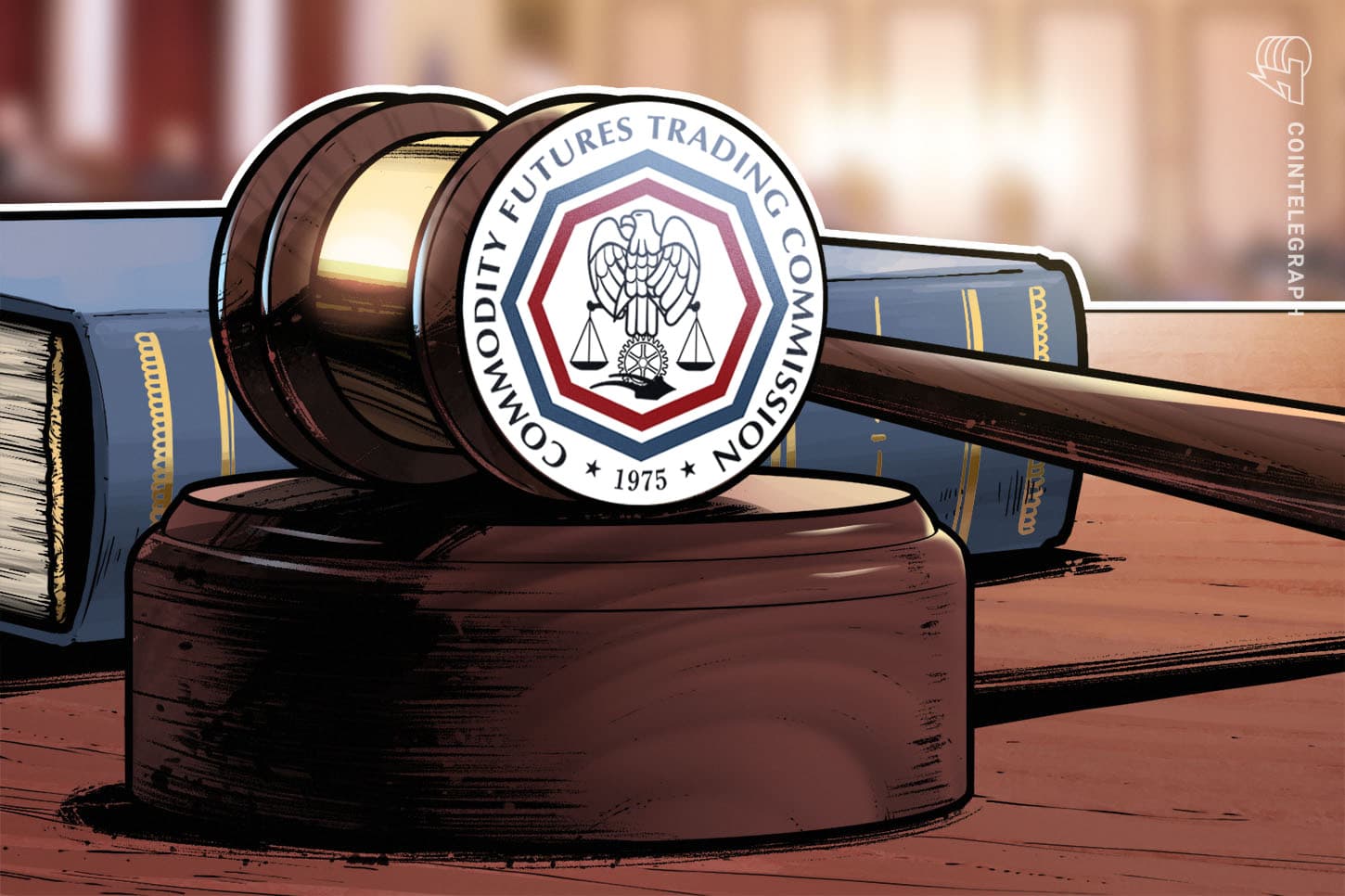
A New York federal judge has granted a stay in the CFTC's civil action targeting US soldier Gannon Ken Van Dyke, who allegedly profited over $400,000 through prediction market trading activity.
The stay was requested by US prosecutors back in July and has now been formally approved by the court. This legal maneuver effectively pauses the Securities and Exchange Commission's pursuit of the case, though it doesn't necessarily mean the matter is closed permanently.
What's at Stake
Van Dyke's situation centers on substantial profits he generated through prediction markets—platforms where users trade contracts tied to event outcomes. The $400,000+ in gains caught regulatory attention, prompting the CFTC to pursue civil enforcement action against him. The specifics of what markets he traded or how regulators viewed his activity as violations haven't been fully detailed, but the case highlights the increasingly murky regulatory landscape around prediction market platforms and retail crypto trading.
The Prosecutors' Move
By filing for a stay in July, US prosecutors signaled they had strategic reasons to pause civil proceedings. Stays are typically granted when parallel investigations or criminal matters are pending, or when prosecutors believe civil litigation would interfere with other legal processes. The judge's approval suggests the court found sufficient justification for hitting pause on the CFTC's civil claims.
This development matters because it reveals tension between different regulatory agencies and their enforcement priorities. The CFTC operates independently from the Department of Justice, yet here we see DOJ prosecutors successfully convincing a judge that their interests outweigh the commodity regulator's civil case timeline.
Crypto Market Intelligence Angle
For traders and portfolio managers monitoring regulatory risk, this case underscores why prediction market exposure remains legally ambiguous in the US. Unlike clear-cut crypto trading on regulated exchanges, prediction markets operate in grayer territory—they're not quite commodities, not quite securities, and not quite gambling. That ambiguity creates enforcement uncertainty.
The Van Dyke case also signals that regulators are actively monitoring prediction market activity for unusual profit patterns. If you're generating six-figure gains on these platforms, you're potentially on someone's radar. From a compliance perspective, this matters for institutional players considering prediction market exposure.
What's Next
With the civil case stayed, attention shifts to what prosecutors are actually investigating. If this is a criminal matter developing in parallel, Van Dyke faces substantially higher stakes than civil penalties. A criminal prosecution over prediction market trading would be more significant and could set precedent for how US courts treat these emerging platforms.
The stay doesn't resolve whether prediction market trading by US service members creates conflicts of interest or national security concerns—angles prosecutors may be exploring separately.
Alpha Take
This stay represents another data point in crypto's regulatory fog: prediction markets remain in legal limbo, and substantial profits from them draw enforcement scrutiny. Watch whether a criminal case emerges; that would signal the government views this as more than just a regulatory violation. For traders, prediction market gains merit careful tax and compliance documentation given this environment.
Originally reported by
CoinTelegraph
Not financial advice. Crypto investing involves significant risk. Past performance does not guarantee future results. Always do your own research.