
Federal Reserve Eyes Stablecoin Guardrails: New Reserve Requirements and Capital Standards in the Works
The Federal Reserve is moving forward with concrete regulatory proposals for stablecoin issuers, introducing reserve limits and capital standards that could reshape how digital dollar alternatives operate. The framework, embedded within discussions around the GENIUS Act, signals Washington's intent
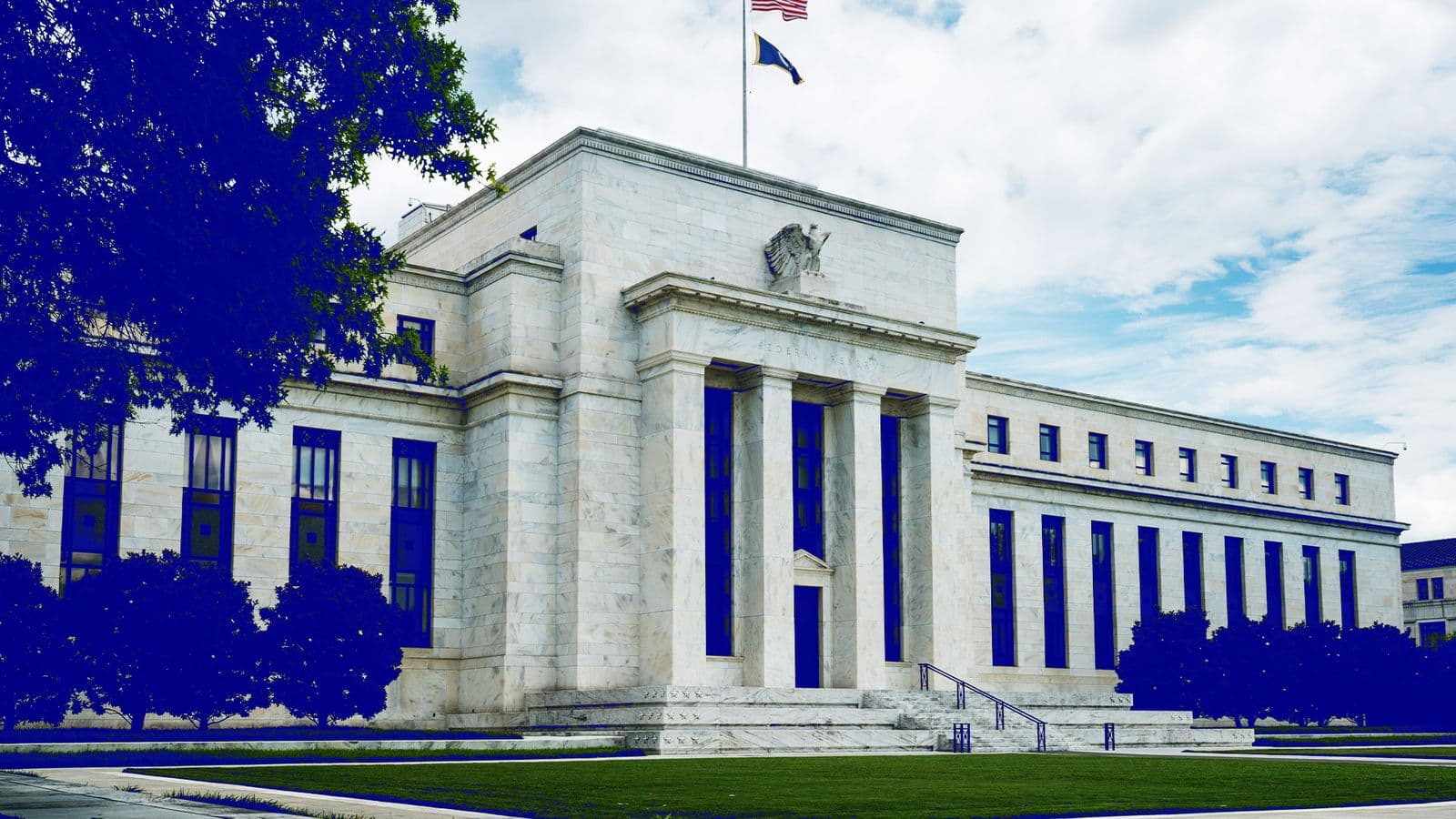
The Federal Reserve is moving forward with concrete regulatory proposals for stablecoin issuers, introducing reserve limits and capital standards that could reshape how digital dollar alternatives operate. The framework, embedded within discussions around the GENIUS Act, signals Washington's intention to bring stablecoins under formal banking supervision.
What's Actually Changing
We're looking at a multi-layered approach here. The Fed's proposal mandates that stablecoin issuers maintain specific reserve requirements—basically forcing them to back tokens with actual collateral. This isn't theoretical stuff; it's about ensuring that every $1 of stablecoin circulating has real assets sitting behind it.
Capital standards are the second pillar. These requirements would force stablecoin platforms to hold sufficient capital buffers, similar to what traditional banks already face. The thinking is straightforward: if a stablecoin issuer faces operational stress, these reserves absorb losses before customers get hurt.
The GENIUS Act Connection
The GENIUS Act serves as the legislative vehicle for these proposals. Rather than letting stablecoins operate in regulatory gray zones, the framework brings them into the formal banking system's orbit. This represents a fundamental shift in how crypto and traditional finance intersect—no more Wild West dynamics for the largest digital assets by market cap.
The proposals recognize what we've known for years: stablecoins like USDC and USDT have become critical infrastructure for crypto trading and portfolio management. When you move billions in trading volume daily on stablecoins, you need guardrails.
Why This Matters for Traders and Builders
For crypto investors and traders, these standards create transparency. You'll know exactly what's backing your stablecoins. No more guessing whether issuers are holding sufficient reserves or deploying collateral into risky ventures.
For stablecoin issuers and crypto platforms, the requirements raise compliance costs but also legitimacy. Regulated stablecoins become institutional-grade assets—something traditional finance can integrate without regulatory hesitation.
The capital standards piece is particularly important for market intelligence. Companies maintaining higher capital buffers demonstrate stability. This becomes a competitive differentiator between legacy players and newer entrants trying to capture market share in the exploding stablecoin sector.
The Broader Landscape
This regulatory push doesn't exist in isolation. Bitcoin, ethereum, and other cryptographic assets continue operating in less formal regulatory frameworks, but stablecoins—being dollar-backed—face pressure Washington simply won't ignore. The Fed's move acknowledges stablecoins' role in modern financial infrastructure while attempting to prevent another systemic crisis.
What we're really seeing is regulatory maturation. Rather than banning stablecoins outright, authorities are building structural safeguards. This approach benefits serious players while filtering out bad actors.
Alpha Take
The Fed's reserve and capital standards proposals legitimize stablecoins as institutional infrastructure while raising barriers to entry for marginal players. Established stablecoin issuers with robust balance sheets will likely thrive under these frameworks, turning regulation into competitive advantage. For traders and portfolio managers, this means increased confidence in stablecoin stability—critical for managing crypto exposure in volatile markets. Watch for implementation details; how these standards get defined will determine whether they accelerate or decelerate stablecoin adoption.
Originally reported by
The Block
Not financial advice. Crypto investing involves significant risk. Past performance does not guarantee future results. Always do your own research.