
Florida Crypto Promoter Admits Guilt in $1.8B HyperFund Scheme
Rodney "Bitcoin Rodney" Burton has pleaded guilty to his role in one of crypto's most brazen Ponzi operations. The Florida-based promoter, known for his flashy "Bitcoin Rodney" brand, now faces a maximum five-year federal prison sentence for conspiracy to operate an unlicensed money transmitting bu
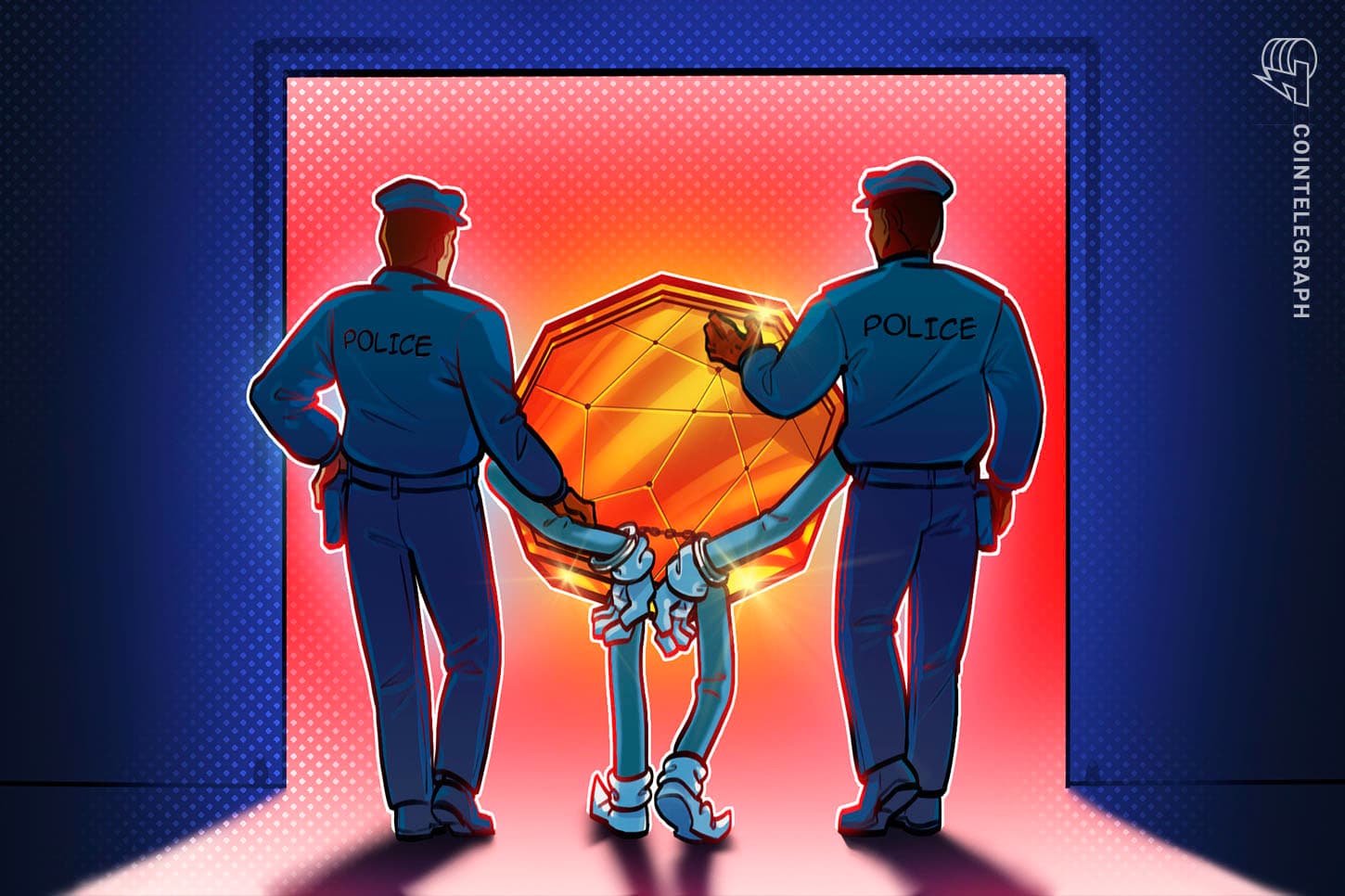
Rodney "Bitcoin Rodney" Burton has pleaded guilty to his role in one of crypto's most brazen Ponzi operations. The Florida-based promoter, known for his flashy "Bitcoin Rodney" brand, now faces a maximum five-year federal prison sentence for conspiracy to operate an unlicensed money transmitting business.
The HyperFund Collapse
The HyperFund scheme bilked investors out of $1.8 billion through a sophisticated multi-level marketing structure wrapped in crypto legitimacy. Burton's guilty plea represents a significant takedown in what became a textbook case of how celebrity influencers and aggressive promotion can mask fraudulent mechanics.
What made HyperFund particularly dangerous was its ecosystem approach—positioning itself as a legitimate investment platform while actually functioning as a classic Ponzi. Early investors got paid returns funded by incoming capital from new recruits, a formula that always ends in collapse once recruitment dries up.
Unlicensed Operations
By pleading guilty to conspiracy to operate an unlicensed money transmitting business, Burton is admitting to facilitating financial transactions without proper regulatory authorization. This wasn't a gray area: running money transmitting operations requires specific federal licenses that HyperFund never obtained. The conspiracy charge indicates coordinated effort with others to deliberately circumvent these requirements.
Burton's case demonstrates how crypto's regulatory gaps have traditionally been exploited. Even as the industry matured, bad actors continued leveraging the technical complexity and global nature of blockchain to confuse regulators and retail investors alike.
The Broader Pattern
This guilty plea fits into a troubling pattern we've tracked across the crypto market. Celebrity promoters, whether through direct involvement or paid endorsements, have repeatedly lent credibility to schemes designed to separate retail investors from their capital. The "Bitcoin Rodney" persona—complete with the flashy lifestyle marketing—created a halo effect that made HyperFund seem legitimate to unsuspecting participants.
What makes these cases particularly damaging to crypto adoption is the erosion of trust they create. Legitimate projects and platforms get lumped in with fraudulent schemes in the public consciousness, slowing mainstream institutional adoption of actual blockchain technology.
What's Next
Federal sentencing guidelines suggest Burton could face anywhere from probation to the full five-year maximum. Courts typically consider cooperation level, restitution efforts, and the scale of victim impact. With $1.8 billion in losses affecting tens of thousands of retail investors, this case will likely be treated seriously.
The broader implication: crypto market intelligence has become essential. Unlike traditional markets with decades of regulatory infrastructure, crypto still attracts sophisticated fraud operators. Investors need better tools to distinguish between legitimate projects and elaborate schemes—exactly why due diligence platforms matter in this space.
Alpha Take
Burton's guilty plea sends a clear message that celebrity crypto promotion carries serious legal consequences. We're seeing regulators and prosecutors finally move past the learning curve, treating these cases with the seriousness they deserve. For traders and portfolio managers, this reinforces a critical rule: if a crypto investment opportunity relies heavily on influencer marketing and promises guaranteed returns, it's time to dig deeper into the fundamentals. The Rodney Burton case is a masterclass in what NOT to invest in.
Originally reported by
CoinTelegraph
Not financial advice. Crypto investing involves significant risk. Past performance does not guarantee future results. Always do your own research.