
Former Hong Kong Banker Sentenced to Four Years Prison for $1.6B Credit Fraud Scheme and Crypto Bribery
A former banking official in Hong Kong has been handed a four-year prison sentence for orchestrating a massive $1. 6 billion false letters of credit fraud while also accepting cryptocurrency bribes worth $470,000.
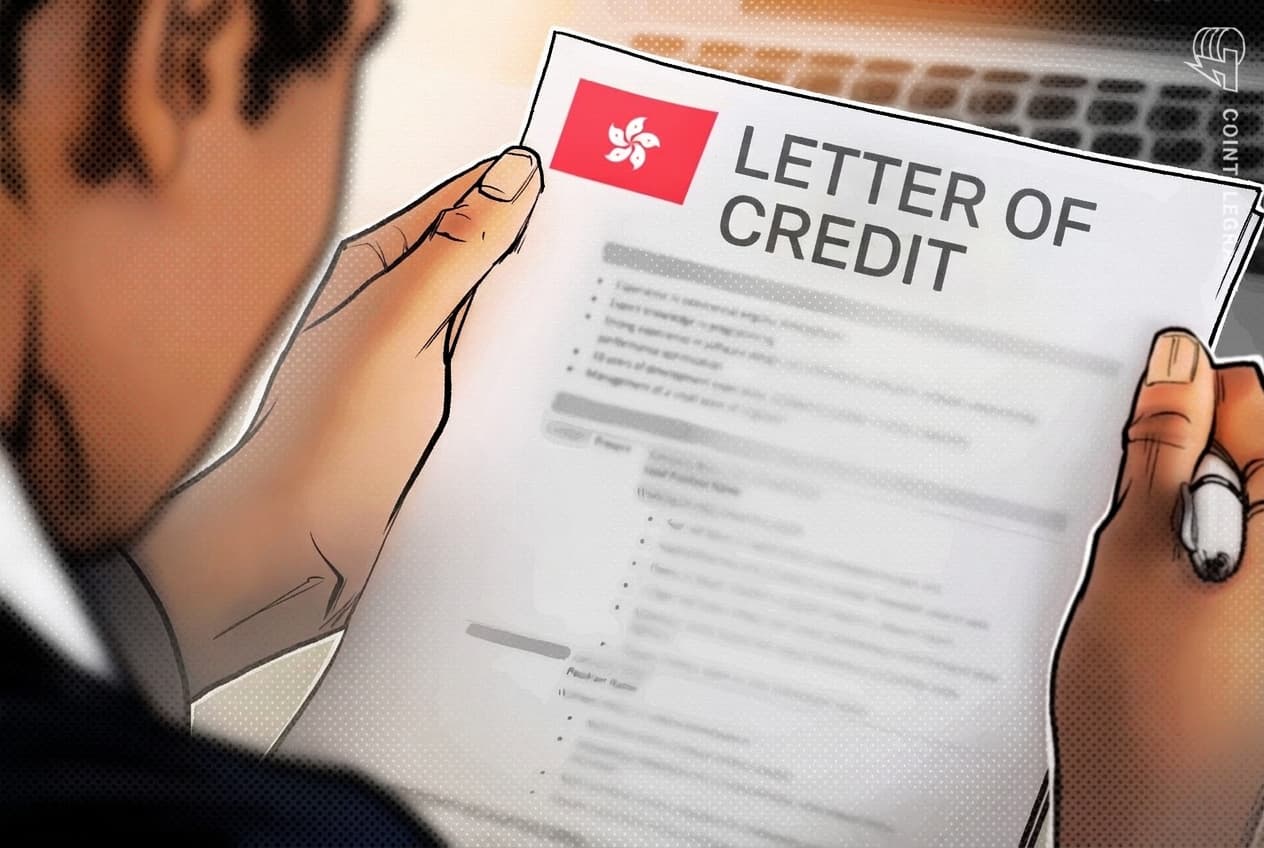
A former banking official in Hong Kong has been handed a four-year prison sentence for orchestrating a massive $1.6 billion false letters of credit fraud while also accepting cryptocurrency bribes worth $470,000.
The Fraud Scheme
The ex-banker exploited their position to generate fraudulent letters of credit—a critical financial instrument used to guarantee payment in international trade. By issuing false documentation valued at $1.6 billion, the official artificially inflated the bank's exposure and enabled unauthorized transactions that circumvented standard risk controls.
This wasn't a simple accounting error. The scheme involved deliberate deception across multiple transactions, highlighting how insiders with access to critical banking infrastructure can weaponize their position for personal gain. The false letters of credit represented serious breaches of banking regulations and international trade finance standards.
Cryptocurrency Enters the Picture
What makes this case particularly relevant to the crypto space: the former banker accepted cryptocurrency bribes totaling $470,000. The willingness to take digital assets as payment underscores how cryptocurrency has become a tool in financial crimes, offering perpetrators perceived anonymity and cross-border movement advantages.
The acceptance of crypto bribes signals two things. First, bad actors now view digital currencies as legitimate payment methods for illicit purposes. Second, the crypto industry's intersection with traditional finance crime remains a regulatory flashpoint—especially in a jurisdiction like Hong Kong, which has positioned itself as a crypto-friendly financial hub.
Hong Kong's Regulatory Response
Hong Kong authorities moving aggressively on this case reflects the city's commitment to maintaining financial system integrity despite its openness to crypto innovation. The four-year sentence sends a clear message: regardless of how progressive a jurisdiction is on cryptocurrency adoption, financial crimes will be prosecuted hard.
This matters because Hong Kong has been actively courting crypto businesses and institutional investors. A credible judicial system that punishes fraud—whether traditional or crypto-related—is essential to maintain institutional confidence and attract legitimate participants to the market.
Broader Implications for Crypto Market Intelligence
The case reinforces why crypto analysis and portfolio management require strong due diligence on counterparties and institutions. As cryptocurrency becomes embedded in traditional finance workflows, the risks compound. A banking official willing to commit $1.6 billion in fraud isn't someone you want holding custody of your digital assets.
For traders and institutional investors evaluating crypto platforms or banking partners, this is a reminder: reputation and regulatory compliance matter. The fact that this individual was caught accepting crypto bribes means law enforcement is actively investigating digital currency flows connected to financial crimes.
Alpha Take
This sentencing demonstrates that cryptocurrency's adoption in mainstream finance brings both opportunity and risk. While Hong Kong's willingness to prosecute financial crimes—including crypto-related ones—is bullish for ecosystem credibility, it's a stark reminder that institutional participants in crypto must maintain highest compliance standards. Investors should factor regulatory track records when selecting trading platforms and custodians; a single insider fraud can eviscerate confidence in entire institutions and damage broader market sentiment.
Originally reported by
CoinTelegraph
Not financial advice. Crypto investing involves significant risk. Past performance does not guarantee future results. Always do your own research.