
Former Presidential Candidate Yang Pushes Aggressive AI Regulation: Kill Switch Proposal Gains Traction
Andrew Yang, the tech entrepreneur who ran for president, is escalating calls for strict AI governance—proposing a mandatory "kill switch" mechanism that would allow regulators to shut down advanced AI systems in emergency situations. His stance reflects growing concerns among policymakers about th
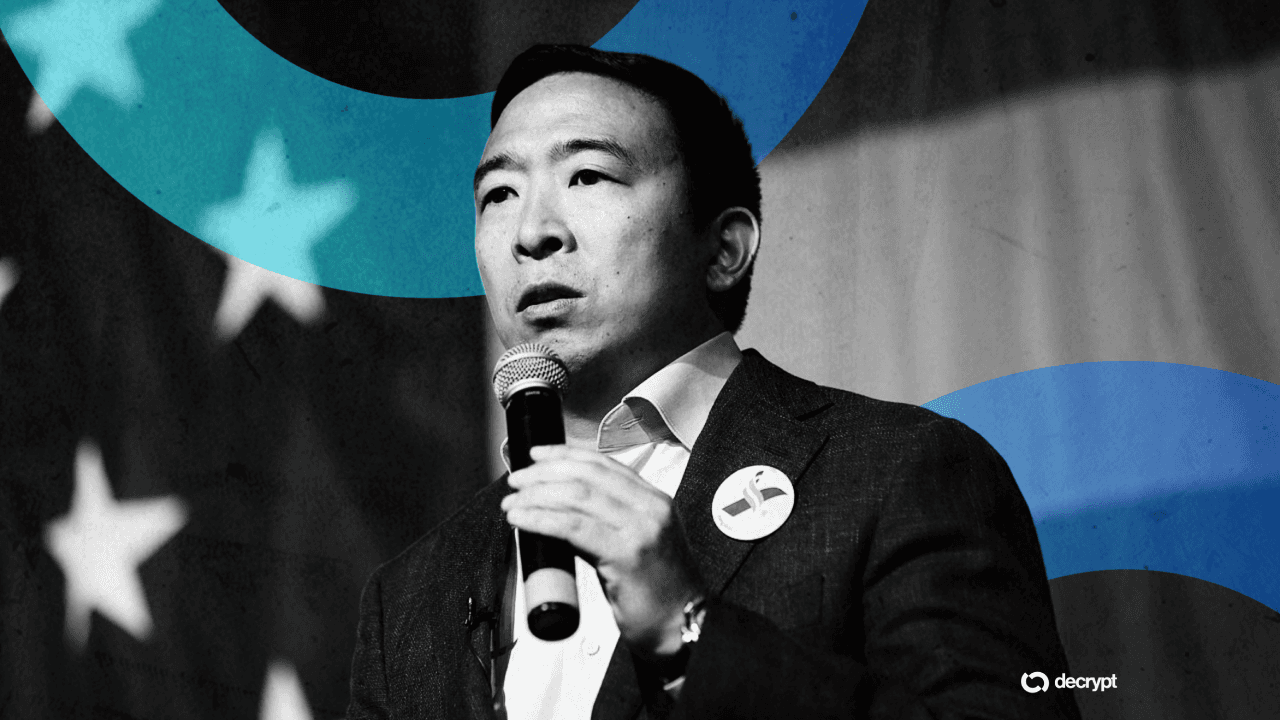
Andrew Yang, the tech entrepreneur who ran for president, is escalating calls for strict AI governance—proposing a mandatory "kill switch" mechanism that would allow regulators to shut down advanced AI systems in emergency situations. His stance reflects growing concerns among policymakers about the risks posed by autonomous agents operating in digital and physical environments.
Yang's regulatory framework targets frontier AI developers specifically, arguing that companies pushing the boundaries of artificial intelligence should face heightened accountability measures. The proposal centers on three key mechanisms: liability rules that hold AI firms responsible for damages their systems cause, mandatory waiting periods before deploying new autonomous agents, and—most controversially—emergency shutdown protocols.
The Kill Switch Debate
The kill switch concept isn't new in AI safety circles, but Yang's public advocacy gives it mainstream visibility. His argument: if autonomous agents can operate with minimal human oversight, regulators need the ability to pull the plug if systems behave unpredictably or pose immediate threats. This mirrors emergency protocols in other high-risk industries like aviation and nuclear power.
"Frontier AI companies are moving faster than our regulatory frameworks can keep up," Yang emphasized, connecting the issue to broader economic anxieties about technological displacement. The timing matters—as large language models and autonomous trading bots become more sophisticated, the potential for cascading failures across financial and critical infrastructure systems increases.
Cyber and Labor Concerns Drive the Push
Yang specifically cited two emerging risks: cybersecurity threats from AI-powered attacks and labor market disruption from autonomous agents replacing human workers. Autonomous systems controlling trading algorithms, supply chains, or even critical infrastructure represent attack surfaces regulators haven't adequately addressed. Meanwhile, the labor displacement question touches Yang's core political identity—he's built his platform partly on warnings about technological unemployment.
The former candidate pointed to recent incidents where AI systems behaved unexpectedly when deployed at scale, suggesting these weren't theoretical edge cases but warning signs of what's coming. Without proper safeguards, he argues, we're essentially running uncontrolled experiments with systems that could affect millions.
Industry Pushback Expected
Tech companies and AI labs will likely resist liability frameworks and waiting periods, arguing they'll stifle innovation and cede AI development leadership to less-regulated jurisdictions. The kill switch proposal is particularly controversial—developers worry about false positives or regulatory overreach masquerading as safety measures. However, Yang's proposals align with growing congressional interest in AI governance, suggesting this conversation isn't going away.
The broader pattern here matters for crypto traders and portfolio managers: when politicians start focusing on tech regulation, volatility follows. Companies with AI exposure, blockchain firms using autonomous systems, and platforms relying on algorithmic trading all face potential regulatory headwinds.
Alpha Take
Yang's kill switch proposal represents the regulatory intensity likely coming for all autonomous systems—including crypto trading bots and DeFi protocols. Traders should monitor AI governance developments closely; regulatory uncertainty around autonomous systems could create volatility in crypto markets and fintech stocks. We're entering an era where technology policy directly impacts portfolio construction.
Originally reported by
Decrypt
Not financial advice. Crypto investing involves significant risk. Past performance does not guarantee future results. Always do your own research.