
Former Trump Aide Caught Trading Prediction Markets on Leaked Speech Intel
Gabriel Perez had a front-row seat to presidential decision-making—literally. As a White House teleprompter operator under the Trump administration, he possessed advance knowledge of speeches before public delivery.
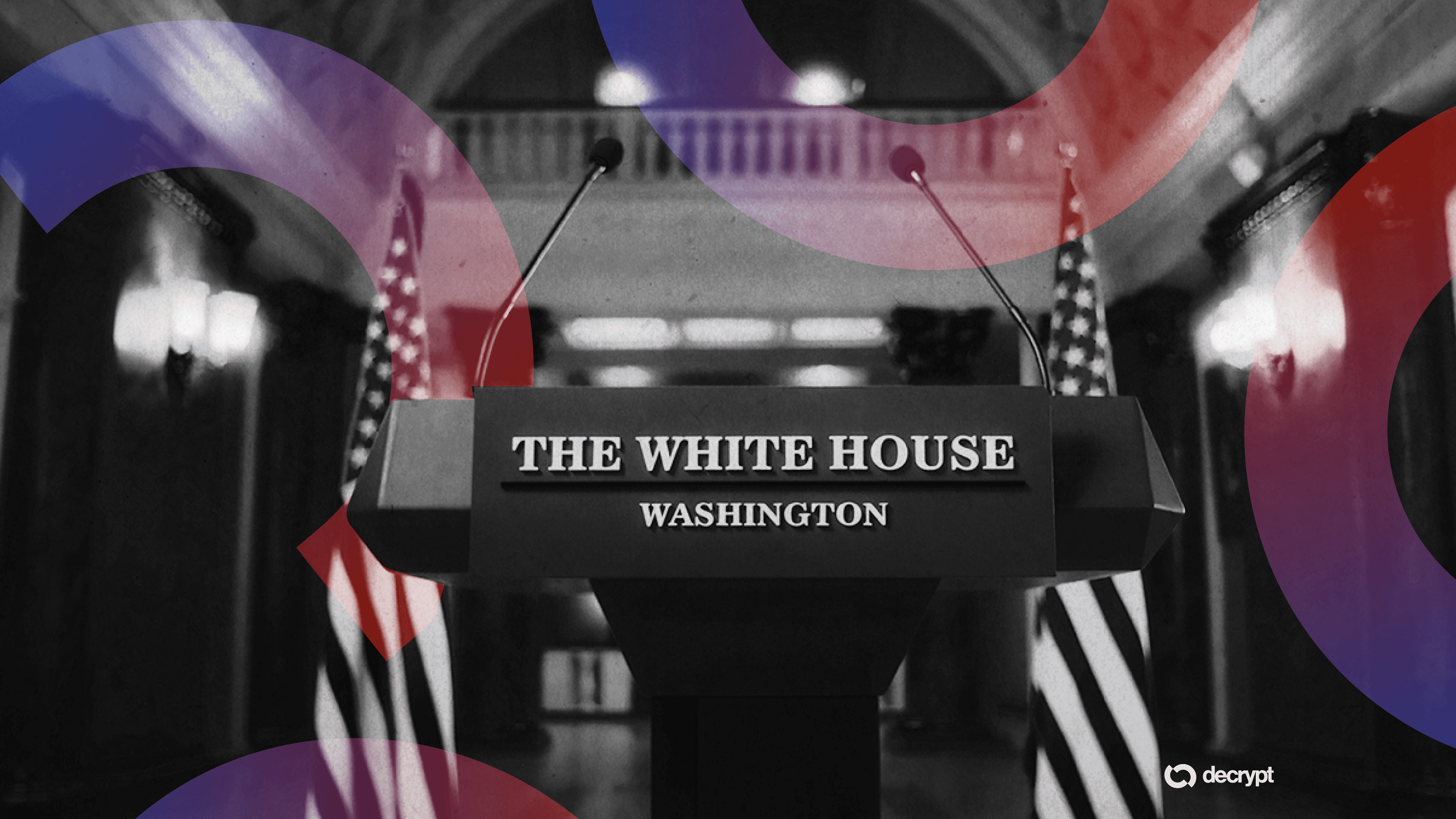
Gabriel Perez had a front-row seat to presidential decision-making—literally. As a White House teleprompter operator under the Trump administration, he possessed advance knowledge of speeches before public delivery. What he did with that information: he traded on it.
The Commodity Futures Trading Commission (CFTC) recently fined Perez for using insider information to bet on "presidential mention markets"—prediction market contracts that pay out based on whether specific topics get mentioned in speeches. Before audiences even heard the words, Perez was already positioning himself in these crypto and blockchain-based trading markets.
The Trading Operation
The scheme was straightforward in concept but flagrant in execution. Perez accessed Trump's speeches before they were delivered to the public. Armed with this non-public information, he placed bets on presidential mention markets—essentially prediction markets tied to what the president would say. When the speeches played out exactly as he'd previewed them, his trades printed money.
The total haul: more than $107,500 in illicit profits. That's not chump change for a teleprompter operator, and it certainly caught regulatory attention.
How the CFTC Caught Him
The enforcement action reveals how seriously regulators now monitor crypto trading and decentralized prediction markets. What was once a gray area—these markets operated in a regulatory gray zone for years—has become a focal point for CFTC scrutiny. The commission traced Perez's trading activity, cross-referenced it against his access to presidential materials, and built the case.
This matters for the broader crypto ecosystem. Prediction markets and blockchain-based trading platforms have exploded in popularity, but they're not immune to insider trading laws. The CFTC made clear: if you're trading on material non-public information, your venue—whether traditional or crypto-based—doesn't matter.
What This Means for Prediction Market Intelligence
Prediction markets are increasingly valuable for traders seeking market intelligence. They've become a legitimate tool for understanding crowd sentiment on political events, economic outcomes, and policy decisions. But the Perez case draws a hard line: legitimate prediction market trading requires legitimate information sources.
The case also highlights an uncomfortable truth about access. Anyone with advance knowledge of major announcements, policy shifts, or market-moving events faces temptation. The CFTC's enforcement action serves as a warning to government employees, corporate insiders, and anyone else sitting on material non-public information: using it to trade—whether in traditional markets or crypto instruments—is illegal and prosecutable.
Alpha Take
This case underscores that crypto trading venues don't operate in a regulatory vacuum. Prediction markets, despite their decentralized nature, are subject to the same insider trading prohibitions as traditional markets. For portfolio managers and retail traders alike, the lesson is simple: prediction market opportunities are legitimate when based on public information and market analysis, but using non-public intelligence to trade any asset—crypto or otherwise—carries real legal consequences. Watch for increased CFTC focus on crypto-based prediction platforms as these markets mature.
Originally reported by
Decrypt
Not financial advice. Crypto investing involves significant risk. Past performance does not guarantee future results. Always do your own research.