
Gensler Sides With States in Prediction Market Regulatory Turf War
Gary Gensler, the outgoing SEC chair who shaped crypto policy for the past three years, just threw his weight behind state regulators in a brewing battle over who controls prediction markets. Gensler's position is unambiguous: Congress "categorically" never intended to hand sports betting and pred
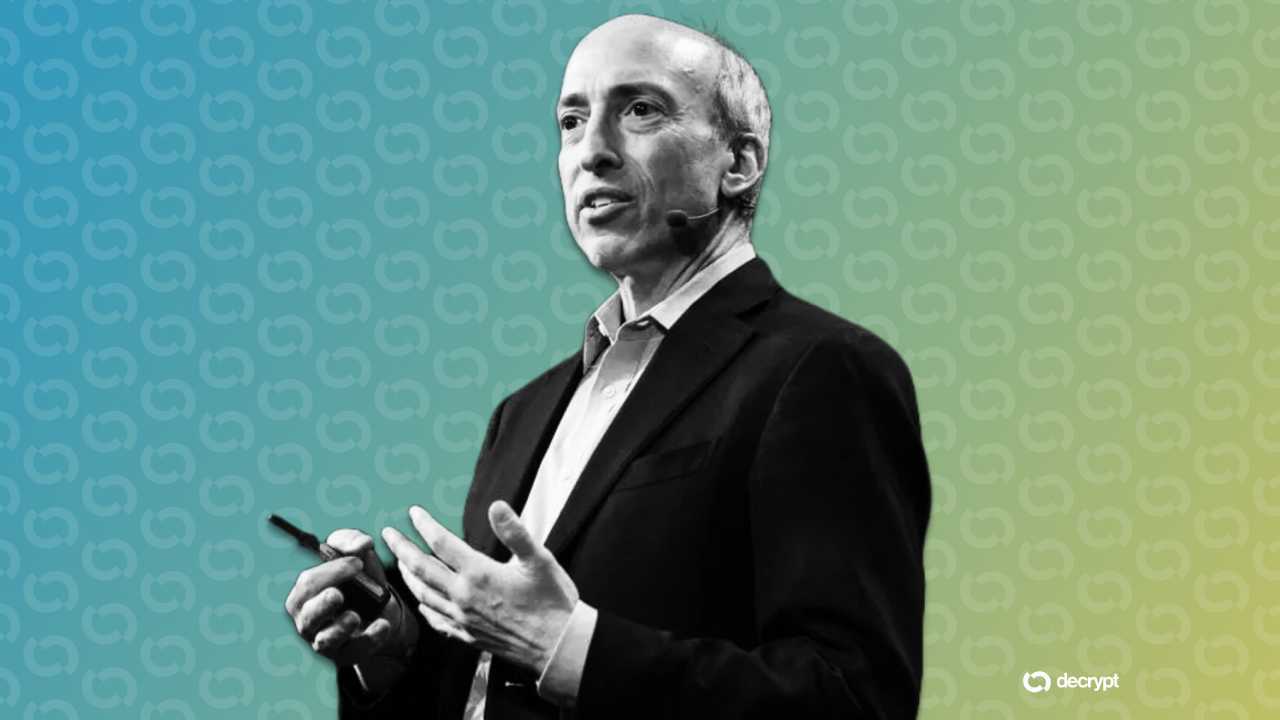
Gary Gensler, the outgoing SEC chair who shaped crypto policy for the past three years, just threw his weight behind state regulators in a brewing battle over who controls prediction markets.
Gensler's position is unambiguous: Congress "categorically" never intended to hand sports betting and prediction market oversight exclusively to federal authorities. That stance contradicts the federal government's increasingly aggressive posture on crypto trading platforms and derivatives—a tension that reveals deeper fissures in how America regulates financial markets.
The State vs. Federal Showdown
The regulatory fight centers on whether prediction markets—platforms allowing users to bet on real-world outcomes from elections to sports—fall under federal or state jurisdiction. This isn't academic. The distinction determines which agencies write the rules, how platforms operate, and what compliance burden crypto traders face.
Gensler's endorsement of state authority represents a significant move. During his tenure, the SEC took an expansionist approach to crypto regulation, pursuing aggressive enforcement against exchanges and token projects. Yet on this particular issue, he's arguing for the opposite: allowing states breathing room to craft their own frameworks.
"Congress did not intend to put sports betting under exclusive federal oversight," Gensler emphasized, framing the matter as one of legislative intent rather than regulatory preference.
Why This Matters for Crypto Markets
For traders and portfolio managers, the implications are substantial. If states retain primary jurisdiction over prediction markets, we could see a patchwork of regulatory approaches—some states taking a hands-off approach while others impose strict licensing and reporting requirements. That fragmentation creates friction for platforms trying to operate nationally and for retail investors managing crypto portfolios across state lines.
The crypto analysis community has watched this battle closely because prediction markets overlap heavily with decentralized finance and blockchain-based betting protocols. Platforms like Polymarket operate in this gray zone, and regulatory clarity could either unlock mainstream adoption or restrict access.
Federal Overreach Concerns
Gensler's position also signals skepticism about federal regulatory overreach. The former CFTC chair understands commodity futures markets intimately—he knows where federal authority properly extends. By acknowledging that Congress didn't intend exclusive federal control over sports betting, he's essentially validating state regulatory laboratories as legitimate testing grounds for market innovation.
This creates an interesting precedent for broader crypto market intelligence discussions. If states can regulate prediction markets, what about decentralized exchanges? Layer-2 blockchain scaling solutions? The arguments could easily extend beyond sports betting into territory critical for cryptocurrency traders.
Alpha Take
Gensler's support for state jurisdiction over prediction markets signals potential fragmentation in U.S. crypto regulation, likely benefiting states willing to embrace blockchain innovation while federal authorities pursue stricter enforcement elsewhere. Crypto investors should monitor state-level regulatory developments—particularly in jurisdictions like Wyoming and Texas—as these could become sanctuaries for prediction market platforms and related trading infrastructure. This turf war ultimately matters for your portfolio's risk profile and operational access to emerging market segments.
Originally reported by
Decrypt
Not financial advice. Crypto investing involves significant risk. Past performance does not guarantee future results. Always do your own research.