
Gillibrand Pushes to Block Politicians From Launching Their Own Crypto Tokens
A bold regulatory move is gaining traction on Capitol Hill. Senator Kirsten Gillibrand has introduced legislation that would fundamentally restrict what elected officials can do in the crypto space—specifically targeting the growing trend of politician-backed digital assets.
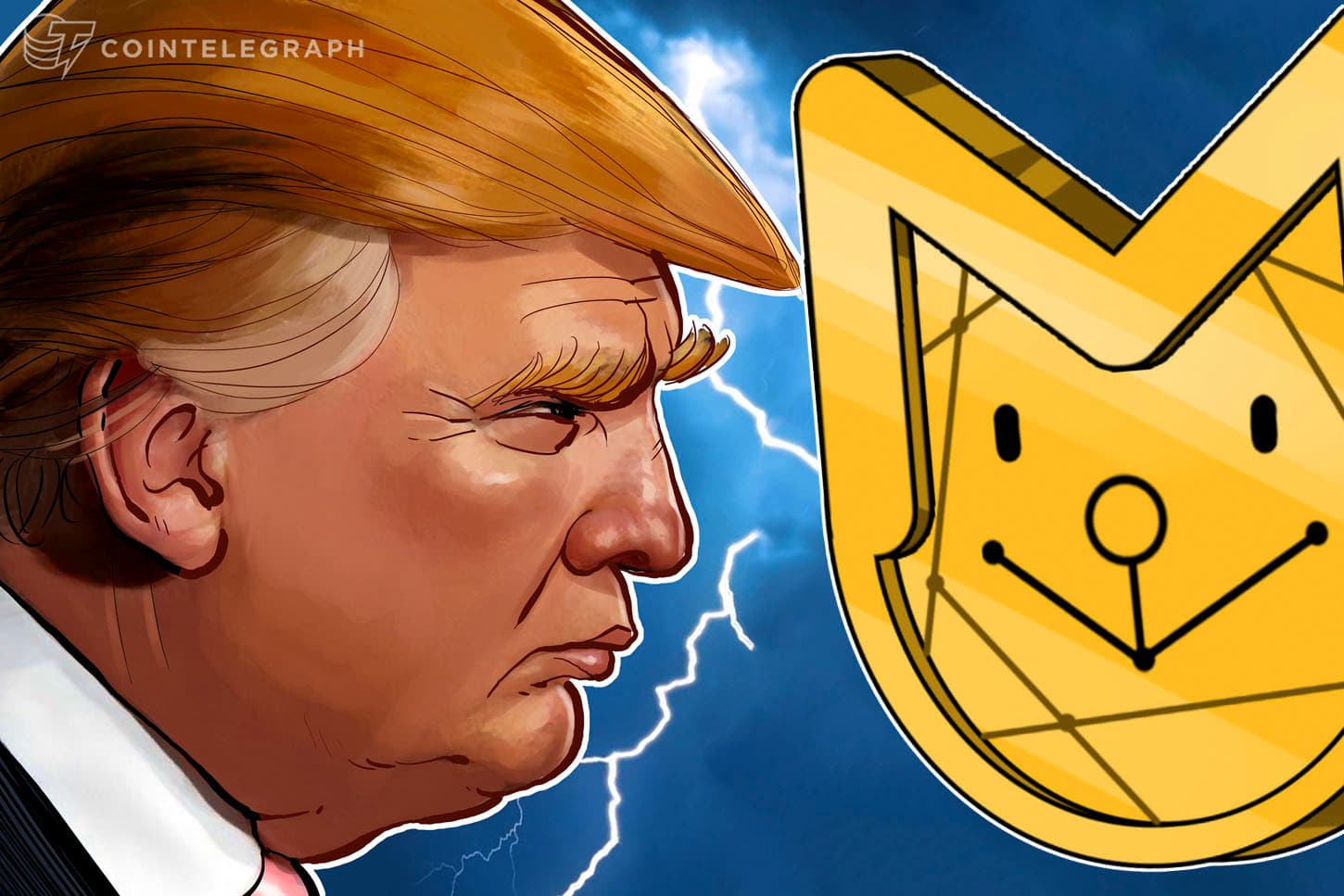
A bold regulatory move is gaining traction on Capitol Hill. Senator Kirsten Gillibrand has introduced legislation that would fundamentally restrict what elected officials can do in the crypto space—specifically targeting the growing trend of politician-backed digital assets.
The proposed restriction would bar members of Congress, the US president, and their spouses from "issuing or sponsoring their own digital assets." It's a direct response to the memecoin phenomenon that's seen politicians leverage their names and followings to launch crypto projects, often blurring ethical lines between public service and personal profit.
The Memecoin Problem
The rise of politician-backed memecoins represents a concerning trend in crypto markets. These projects typically capitalize on a public figure's brand recognition and social media reach, often with minimal underlying utility or technology. Investors pile in on hype rather than fundamentals—a recipe for massive losses and widespread distrust in both politics and digital assets.
Gillibrand's intervention signals growing concern that the memecoin trend crosses an ethical boundary. When elected officials use their political platform to promote speculative crypto projects, they're essentially monetizing their position of trust. For crypto investors and market analysts, this creates a legitimacy problem that extends beyond individual projects.
Why This Matters for Crypto Markets
The broader crypto analysis community should pay attention here. Regulatory clarity around what politicians can and cannot do in digital assets directly impacts market sentiment and adoption. If lawmakers continue to launch their own tokens, it fuels skepticism about whether government officials understand crypto fundamentals—or if they're just chasing quick profits like everyone else.
For serious crypto traders and portfolio managers, the distinction is critical. Legitimate crypto analysis requires separating hype-driven projects from genuine blockchain innovation. When political figures blur those lines, they undermine the credibility of the entire ecosystem.
Legislative Approach
The proposed ban takes a straightforward approach: prevent conflicts of interest at the source. By restricting Congress members, the president, and their spouses from issuing or sponsoring digital assets, the legislation removes the temptation entirely. It's preventative rather than punitive—addressing the problem before it spirals further.
This type of regulatory framework differs from outright crypto bans or heavy-handed restrictions on the technology itself. Instead, it targets a specific behavioral problem: politicians cashing in on their elected status through speculative digital assets. Most serious crypto investors and market intelligence platforms would likely view this as reasonable governance rather than overreach.
Alpha Take
Gillibrand's proposal reflects growing recognition that crypto regulation doesn't require killing the industry—it requires preventing obvious conflicts of interest. For traders and portfolio managers, this is crypto analysis 101: distinguish between legitimate innovation and pure speculation driven by celebrity endorsements. If this legislation passes, it removes one major source of pump-and-dump schemes, which should actually strengthen market credibility long-term.
Originally reported by
CoinTelegraph
Not financial advice. Crypto investing involves significant risk. Past performance does not guarantee future results. Always do your own research.