
Gillibrand Targets Political Meme Coins as Trump's Crypto Earnings Surpass $1 Billion
Senator Kirsten Gillibrand is pushing back hard against what she sees as a troubling trend: elected officials launching their own cryptocurrencies. Her target?
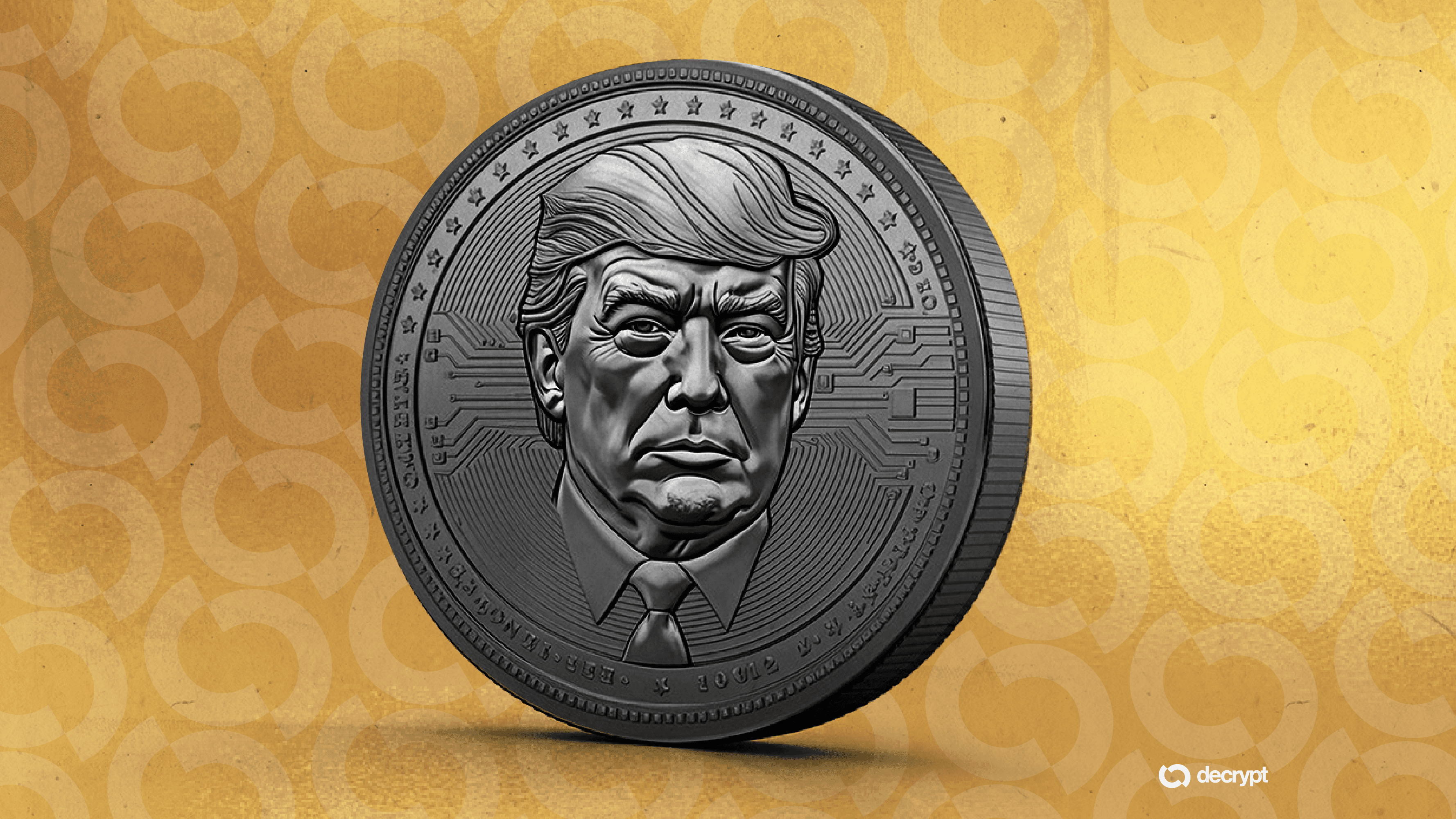
Senator Kirsten Gillibrand is pushing back hard against what she sees as a troubling trend: elected officials launching their own cryptocurrencies. Her target? The meme coin space, which has exploded in popularity—and Trump's disclosed crypto earnings just made her case more urgent.
The catalyst came when President Trump revealed over $1 billion in crypto-related earnings. That disclosure triggered Gillibrand's legislative concerns about conflicts of interest and potential market manipulation when sitting officials or candidates promote digital assets tied to their own names or political brands.
The Political Meme Coin Problem
Here's what we're seeing in the crypto market: meme coins have become a legitimate asset class, but they've also become a vehicle for personal promotion. When politicians launch tokens bearing their names or images, it creates obvious conflicts between their legislative duties and personal financial gain. Gillibrand's concern isn't academic—it's about regulatory clarity and investor protection.
Meme coins like DOGE (Dogecoin) proved the category could achieve genuine market capitalization and trading volume. But the distinction between a decentralized meme coin and a politician-backed token is crucial. The latter introduces principal-agent problems: does the elected official pump the coin through their platform? Do they time legislative announcements around token performance?
Trump's $1 Billion Disclosure Changes the Conversation
Trump's disclosed earnings fundamentally shifted the debate. We're no longer discussing hypothetical scenarios—we're looking at concrete numbers showing how lucrative crypto can be for political figures. That $1 billion figure represents real wealth accumulation tied to crypto assets, and it underscores why Gillibrand believes restrictions are necessary.
Her proposed approach would effectively ban Trump, current elected officials, and candidates from launching meme coins or other cryptocurrencies. The rationale: preventing personal financial incentives from influencing policy decisions around digital assets, which remain largely under-regulated at the federal level in the U.S.
The Broader Crypto Regulation Picture
This move sits within a larger crypto policy debate. The Biden administration pursued aggressive regulation through agencies like the SEC, viewing crypto as needing stricter oversight. Trump's transition team, by contrast, has signaled a more permissive approach to digital assets, which is precisely why Gillibrand's ban proposal is significant—it's one of the few bipartisan-adjacent pushes for limits on crypto activity by political figures.
The crypto analysis here is straightforward: if elected officials have personal financial stakes in specific digital assets, their legislative votes become suspect. Investors in crypto analysis forums are already discussing how political exposure to meme coins could influence everything from SEC enforcement actions to proposed legislation around stablecoins and market structure.
Alpha Take
Gillibrand's proposal targeting political meme coins reflects legitimate governance concerns, though enforcement would be complex. What matters for portfolio strategy: expect continued regulatory friction around crypto-politician intersections regardless of which party controls Congress. For traders, this signals ongoing uncertainty around how digital asset policy gets shaped—a risk factor worth monitoring when building crypto exposure.
Originally reported by
Decrypt
Not financial advice. Crypto investing involves significant risk. Past performance does not guarantee future results. Always do your own research.