
Global Law Enforcement Dismantles $7.1M Crypto Laundering Operation Behind Contract Killings
The coordinated takedown reveals how digital assets are weaponized to finance serious criminal enterprises—and how blockchain trails ultimately expose what criminals thought was untraceable. The Network and the Money Law enforcement agencies in the UAE and Sweden have arrested seven individual
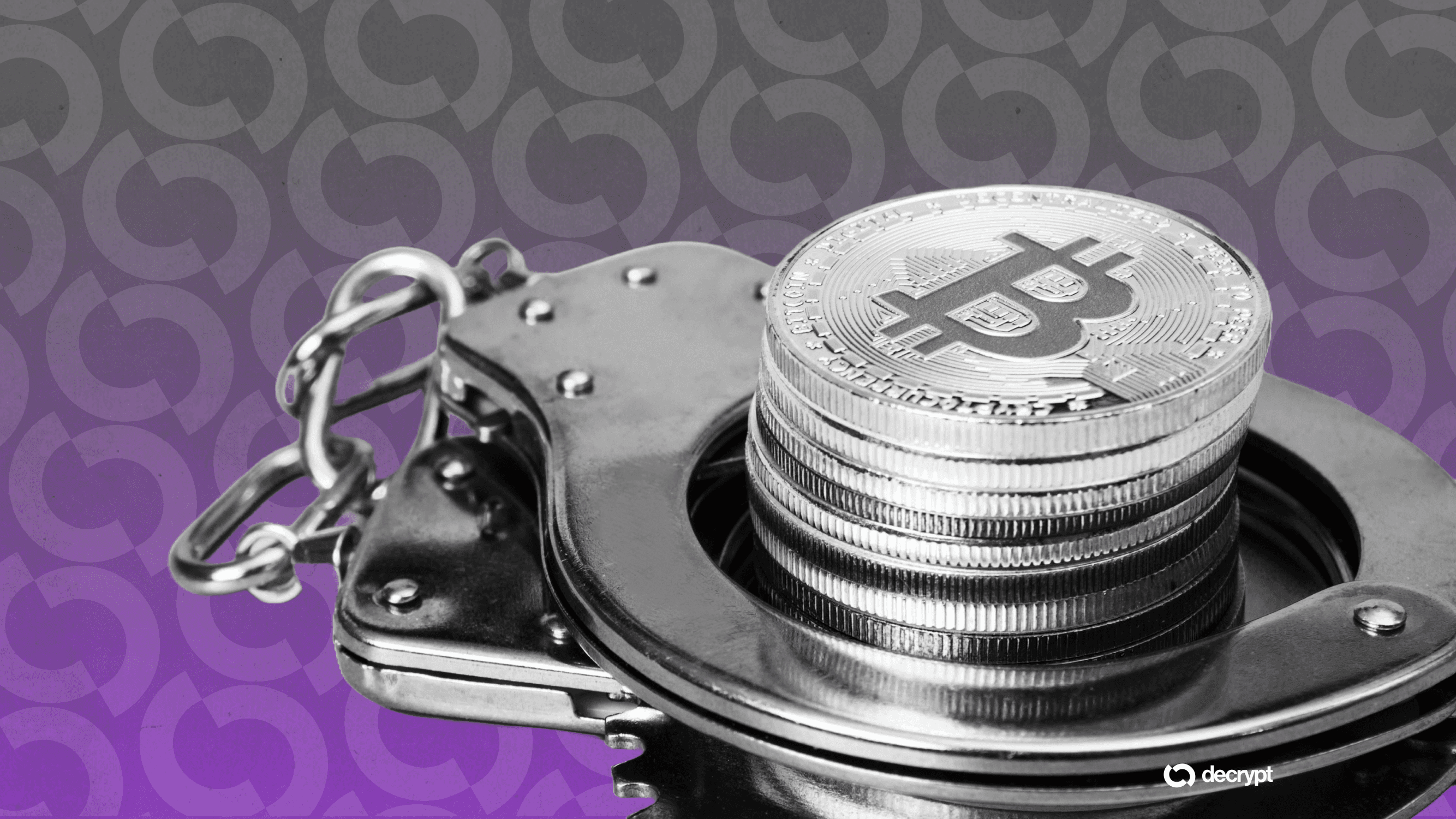
The coordinated takedown reveals how digital assets are weaponized to finance serious criminal enterprises—and how blockchain trails ultimately expose what criminals thought was untraceable.
The Network and the Money
Law enforcement agencies in the UAE and Sweden have arrested seven individuals connected to a sophisticated crypto laundering ring that funneled approximately $7.1 million through digital asset channels. The operation didn't exist in isolation: investigators discovered the network was actively financing organized crime operations and murder-for-hire schemes, connecting financial flows directly to violent criminal activity.
This isn't your typical cybercriminal bust. We're looking at criminal infrastructure designed to obscure illicit proceeds from serious violent offenses. The fact that seven arrests happened across two jurisdictions suggests this was an international operation with significant reach and organization.
Following the Blockchain Breadcrumbs
What makes this case critical for crypto market intelligence is straightforward: the very technology criminals assumed would anonymize their operations became their downfall. Tracing the network's crypto transactions—presumably through exchange analysis, wallet clustering, and transaction pattern recognition—exposed the connections between financial movements and real-world criminal activity.
This demonstrates something traders and investors need to understand: the blockchain ledger is permanent and analyzable. While cryptocurrency transactions offer certain advantages over traditional banking, they're not invisible to sophisticated forensic analysis. Law enforcement's ability to map these flows back to organized crime activity shows just how much metadata exists within on-chain activity.
Implications for Crypto Regulation and Compliance
The successful prosecution of this case will likely accelerate regulatory pressure on crypto exchanges and custodians. We're already seeing enhanced know-your-customer (KYC) requirements and transaction monitoring become standard across legitimate platforms. This bust proves those compliance measures aren't just bureaucratic overhead—they're genuinely effective at identifying bad actors.
For legitimate crypto investors and traders, this underscores why using regulated exchanges matters. Platforms with proper compliance frameworks aren't just protecting themselves; they're creating friction that makes criminal use of crypto significantly harder.
What This Means for Portfolio Strategy
The crypto market's maturation includes enforcement maturation. As law enforcement across jurisdictions develops better intelligence-sharing and blockchain analysis capabilities, the risk profile for any entity using crypto for illicit purposes increases substantially.
For institutional and retail investors building portfolios, this backdrop is actually positive. Greater regulatory clarity and enforcement capacity reduce the reputational risk associated with crypto assets. The market's legitimacy improves when criminal activity is systematically dismantled rather than generating headlines quarterly.
The $7.1 million bust itself is relatively modest compared to total crypto market capitalization—but the operational sophistication it revealed and the international coordination required to shut it down signals that crypto-based crime networks face rising pressure from coordinated global enforcement.
Alpha Take
This takedown demonstrates that blockchain forensics are mature enough to expose serious criminal networks, which benefits legitimate market participants through increased regulatory clarity. The successful prosecution across UAE and Swedish jurisdictions shows international law enforcement is developing effective crypto-tracking protocols—expect this to accelerate compliance expectations on exchanges. For portfolio managers, this environment reduces long-term regulatory risk to crypto holdings, even as short-term enforcement news creates noise.
Originally reported by
Decrypt
Not financial advice. Crypto investing involves significant risk. Past performance does not guarantee future results. Always do your own research.