
GPT Image 2 Takes on Google's Nano Banana 2: The Ultimate AI Image Generator Showdown
The AI image generation space just got more competitive. With OpenAI's GPT Image 2 squaring off against Google's Nano Banana 2, we decided to run both systems through real-world scenarios to see which AI image generator actually delivers state-of-the-art results.
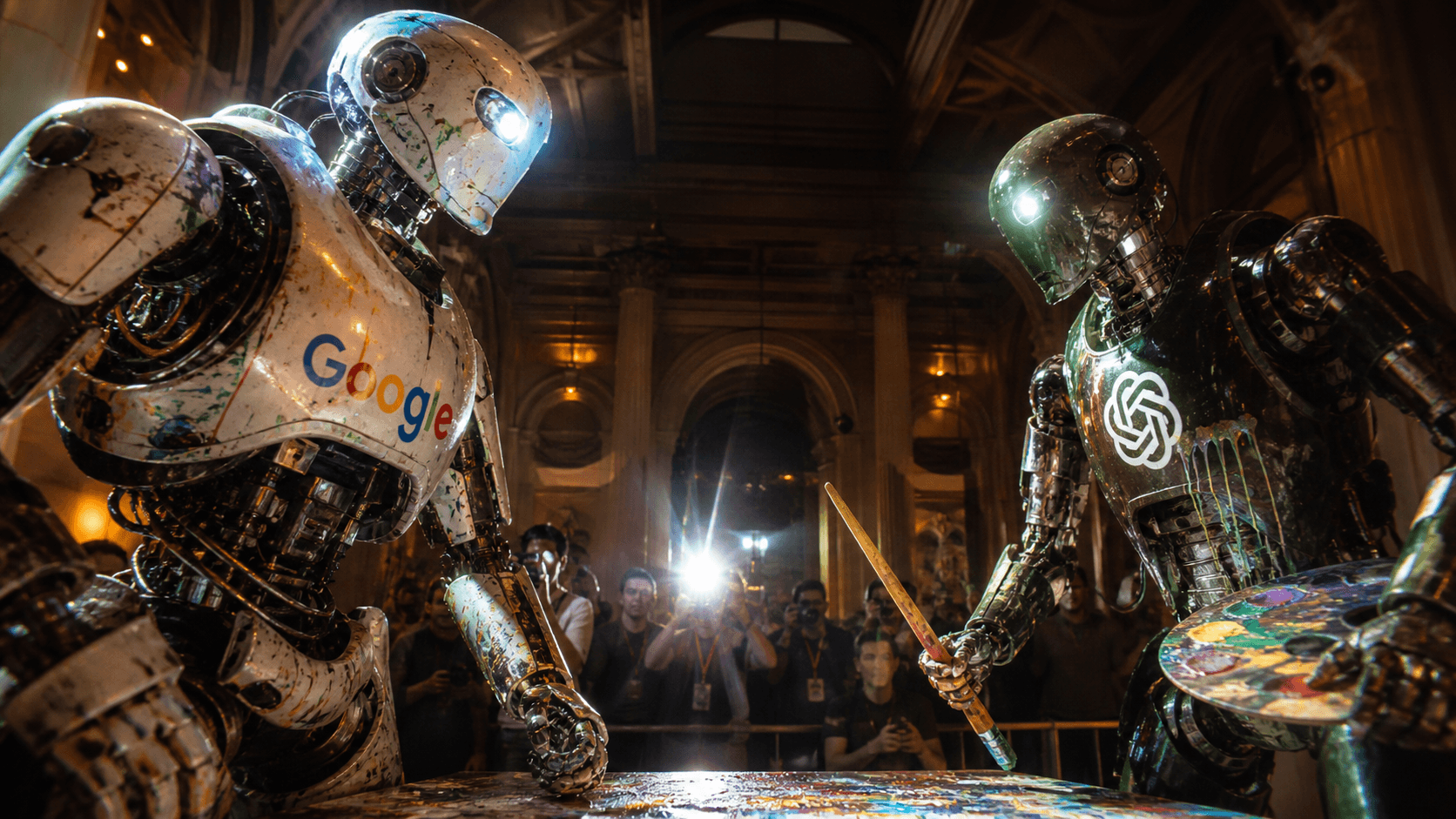
The AI image generation space just got more competitive. With OpenAI's GPT Image 2 squaring off against Google's Nano Banana 2, we decided to run both systems through real-world scenarios to see which AI image generator actually delivers state-of-the-art results.
The Testing Methodology
We evaluated each platform across multiple dimensions: image quality, processing speed, prompt understanding, and consistency. Both tools represent the cutting edge of what's possible in generative AI, but they approach the problem differently. GPT Image 2 leans into artistic sophistication, while Nano Banana 2 prioritizes efficiency without sacrificing visual fidelity.
GPT Image 2: The Artistic Powerhouse
OpenAI's GPT Image 2 excels at nuanced, complex prompts. When we fed it intricate requests combining multiple artistic styles, subjects, and lighting conditions, the results were genuinely impressive. The model demonstrates exceptional understanding of context and can execute detailed instructions that would confuse lesser systems.
The trade-off? Processing time. GPT Image 2 takes longer to generate images, which matters if you're running high-volume crypto portfolio visualization projects or real-time market analysis graphics. For traders who need quick visual assets, this latency could be a friction point.
Nano Banana 2: Speed Meets Quality
Google's Nano Banana 2 prioritizes speed without gutting quality—a smart move for professionals who need rapid iteration. The model generates images significantly faster than GPT Image 2, making it ideal for time-sensitive trading applications or market intelligence workflows.
We noticed Nano Banana 2 handles straightforward prompts with impressive consistency. It won't blow your mind on hyper-complex requests, but for standard market visualization, portfolio dashboards, and basic crypto trading graphics, it delivers reliably.
Head-to-Head Results
When we pushed both systems with identical prompts, the winner depended on use case:
GPT Image 2 dominated when:
- •Artistic sophistication mattered
- •Complex, multi-layered requests were involved
- •Custom styling was critical
Nano Banana 2 won when:
- •Speed was essential
- •Bulk image generation was needed
- •Simplicity and consistency ruled
On crypto-specific requests—like generating blockchain visualizations or trading interface concepts—both systems struggled with domain-specific jargon. Neither is optimized specifically for cryptocurrency market analysis or blockchain illustration yet.
The Practical Verdict
For institutional traders and crypto portfolio managers building sophisticated analysis tools, GPT Image 2's superior artistic control justifies the wait time. The quality differential shows on complex requests.
For high-frequency teams needing rapid asset generation, Nano Banana 2's speed advantage makes it the practical choice. You're not sacrificing massive quality drops—just trading some artistic nuance for operational efficiency.
Alpha Take
Neither AI image generator is purpose-built for crypto market intelligence workflows yet, which represents an untapped opportunity for specialized tools. For traders choosing between these two, match your decision to your workflow: if you're generating graphics for client presentations and market reports, GPT Image 2 justifies the processing overhead. If you're building high-frequency visual dashboards, Nano Banana 2's efficiency wins. The real winner emerges when someone builds an AI image platform that actually understands crypto trading and blockchain visualization at a native level.
Originally reported by
Decrypt
Not financial advice. Crypto investing involves significant risk. Past performance does not guarantee future results. Always do your own research.