
Greece's MiCA Debut: Four Crypto Firms Enter EU Regulatory Framework as Binance Claims Unravel
Greece has officially entered the EU's Markets in Crypto-Assets Regulation (MiCA) ecosystem with its first batch of authorized providers, marking a significant milestone in the bloc's push toward standardized crypto regulation. The Hellenic Capital Market Commission (HCMC)—Greece's financial watchd
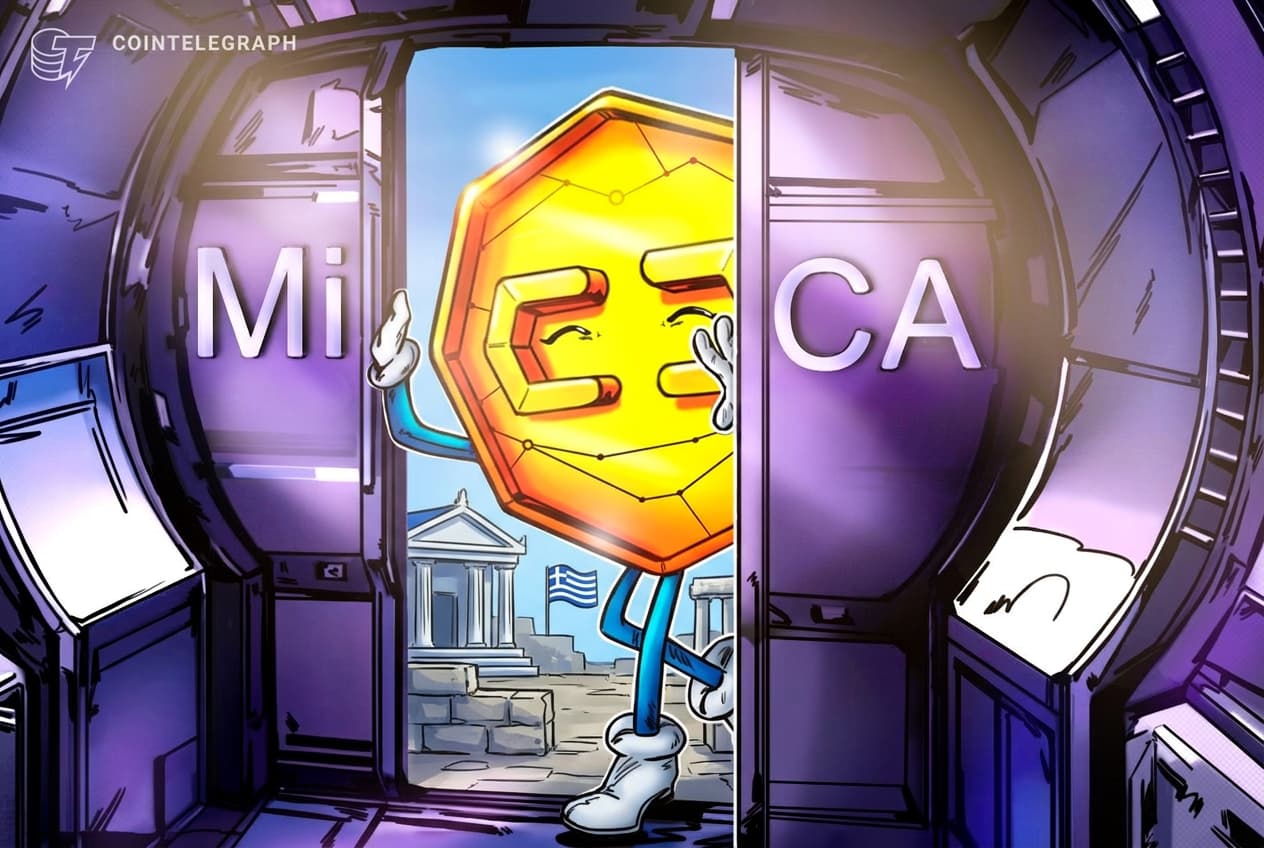
Greece has officially entered the EU's Markets in Crypto-Assets Regulation (MiCA) ecosystem with its first batch of authorized providers, marking a significant milestone in the bloc's push toward standardized crypto regulation. The Hellenic Capital Market Commission (HCMC)—Greece's financial watchdog—confirmed four companies now operate under the country's MiCA framework, bringing Greece into compliance with the EU's landmark digital asset ruleset.
But here's where things get messy: the HCMC simultaneously expanded its denial of remarks previously attributed to Greek officials regarding Binance's regulatory standing. This tit-for-tat move highlights growing friction between major crypto exchanges and national regulators implementing MiCA's strict requirements.
MiCA's Greek Milestone
The four newly registered MiCA entrants represent Greece's formal integration into Europe's most comprehensive crypto regulatory framework. MiCA—which rolled out January 1 this year—establishes uniform rules across the EU for stablecoin issuers, crypto service providers, and market participants. Greece's entry with multiple providers signals the country is serious about capturing a slice of the regulated crypto economy rather than pushing players offshore.
This matters for traders and portfolio managers: MiCA compliance is becoming table stakes for European crypto operations. Any platform lacking MiCA authorization faces potential blocking across EU member states, which explains why we're seeing major exchanges scramble to secure approvals.
The Binance-Lagarde Controversy
The HCMC's expanded denial centers on a previous report claiming Greek officials—alongside ECB President Christine Lagarde—made specific statements about Binance's regulatory position. The watchdog is essentially saying: that never happened, at least not as reported.
The denial raises uncomfortable questions about reporting accuracy and how information gets weaponized in the high-stakes battle between regulators and crypto's biggest players. Binance has faced relentless regulatory pressure across multiple jurisdictions, and conflicting statements from officials create confusion that benefits no one—least of all traders trying to assess counterparty risk.
What This Means for Crypto Market Intelligence
The Greece development underscores a critical shift in crypto's regulatory landscape. We're moving past the Wild West era. National regulators are now actively registering providers, which means:
For traders: MiCA-compliant platforms offer stronger legal certainty, though they'll likely face tighter operational constraints.
For portfolio management: Know your exchange's MiCA status. Non-compliant platforms risk being delistable across the EU, a material risk factor.
For market analysis: Watch which exchanges secure MiCA approvals fastest. Speed of compliance signals management quality and regulatory sophistication.
The Binance-Lagarde claims fallout also reminds us that crypto news requires source verification. Official denials from regulatory bodies aren't always headline-friendly, but they're crucial for accurate crypto analysis.
Alpha Take
Greece's four MiCA entrants mark genuine regulatory progress, but the Binance denial controversy exposes how contested that progress remains. Traders should treat MiCA compliance as a serious due diligence requirement—non-compliant venues carry hidden jurisdiction risk. This is the new normal in European crypto: regulatory clarity beats frictionless access every time.
Originally reported by
CoinTelegraph
Not financial advice. Crypto investing involves significant risk. Past performance does not guarantee future results. Always do your own research.