
Half a Trillion Dollars in Bitcoin Could Fall to Quantum Hackers—Here's the Real Threat
Blockchain data firm Glassnode has just highlighted a vulnerability that should make every Bitcoin holder pay attention: nearly $500 billion worth of BTC sits exposed to potential quantum computing attacks. The analysis reveals a critical weakness in how Bitcoin addresses function at the protocol
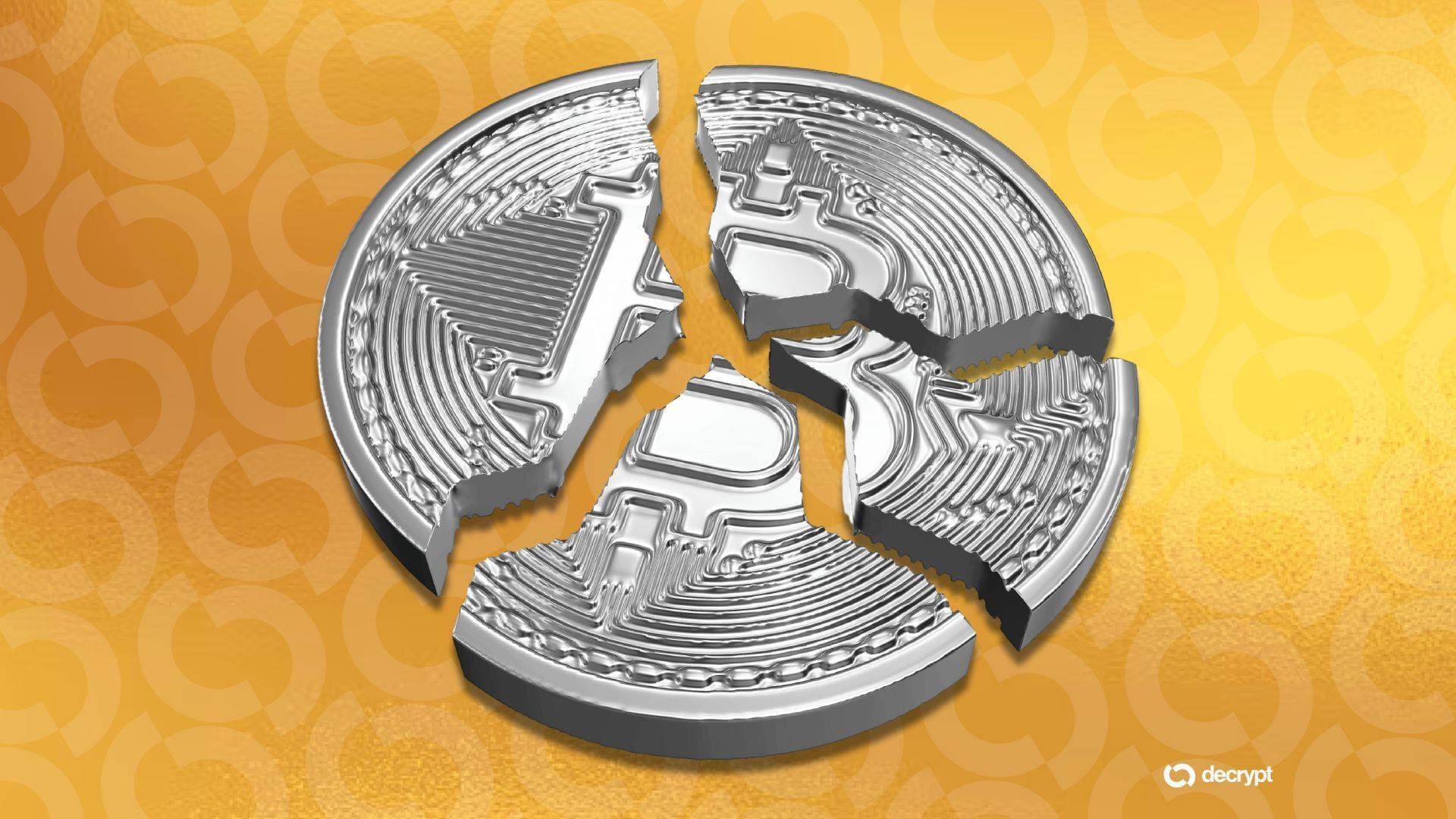
Blockchain data firm Glassnode has just highlighted a vulnerability that should make every Bitcoin holder pay attention: nearly $500 billion worth of BTC sits exposed to potential quantum computing attacks.
The analysis reveals a critical weakness in how Bitcoin addresses function at the protocol level. Unlike newer cryptocurrencies built with quantum-resistant encryption, Bitcoin's underlying cryptography—primarily ECDSA (Elliptic Curve Digital Signature Algorithm)—could theoretically be compromised by sufficiently powerful quantum computers. We're talking about machines that don't exist yet, but the clock is ticking on defensive measures.
Where Bitcoin's Real Vulnerability Lies
Here's where it gets serious: Glassnode's research identifies exchanges as the primary weak point in Bitcoin's security infrastructure. The firm mapped which Bitcoin has been reused in transactions versus which remains in dormant addresses. This distinction matters enormously because reused addresses expose their public keys on the blockchain—something quantum computers could potentially exploit to derive private keys.
Exchanges, by their nature, cycle Bitcoin constantly. They receive deposits, execute trades, process withdrawals. This operational necessity means exchange-held Bitcoin undergoes repeated address reuse, effectively painting a target on that capital. When you combine this operational vulnerability with the centralized nature of exchanges themselves, you've got a concentration risk that transcends typical market concerns.
The Timeline Question
The uncomfortable truth? Nobody knows exactly when quantum computers will reach the capability threshold to break ECDSA encryption. Current estimates range from 10 to 30 years, but cryptographic breakthroughs could accelerate that timeline. Bitcoin's developers aren't sitting idle—there's ongoing discussion about implementing quantum-resistant upgrades—but consensus-driven protocol changes move slowly in decentralized networks.
The crypto analysis community recognizes this isn't an immediate crisis. The quantum threat exists on a spectrum. But it's also not something to dismiss. That $500 billion figure represents real capital that could theoretically be at risk if quantum computers advance faster than Bitcoin's defensive infrastructure.
What This Means for Your Portfolio
For Bitcoin trading and portfolio management, this data point serves multiple purposes. First, it's a reminder that protocol-level security should factor into long-term Bitcoin holdings. Second, it highlights why exchange custody remains a risk factor beyond standard cybersecurity concerns. Third, it underscores the importance of monitoring Bitcoin development roadmaps and quantum-resistance implementations.
Sophisticated traders and institutional players are already thinking about quantum-resistant crypto alternatives and how Bitcoin governance might evolve. The market hasn't priced in quantum risk yet—when it does, we could see significant repricing across the entire digital asset space.
Alpha Take
Glassnode's $500B quantum exposure mapping isn't FUD—it's a legitimate long-term risk factor that the broader market hasn't adequately addressed. Bitcoin holders should understand that while quantum threats remain years away, exchange-held Bitcoin represents the most vulnerable subset of the asset. Monitor Bitcoin development forums closely; protocol upgrades addressing quantum resistance could become a major narrative driver for crypto market intelligence and price action over the next 5-10 years.
Originally reported by
Decrypt
Not financial advice. Crypto investing involves significant risk. Past performance does not guarantee future results. Always do your own research.