
Hardware Wallet Maker's Supply Chain Exposed: What Trezor Users Need to Know
Trezor confirmed this week that customer data was compromised through a breach at one of its shipping partners—a stark reminder that even when your crypto assets stay secure, your personal information can still be weaponized by attackers. The hardware wallet manufacturer emphasized that the actual
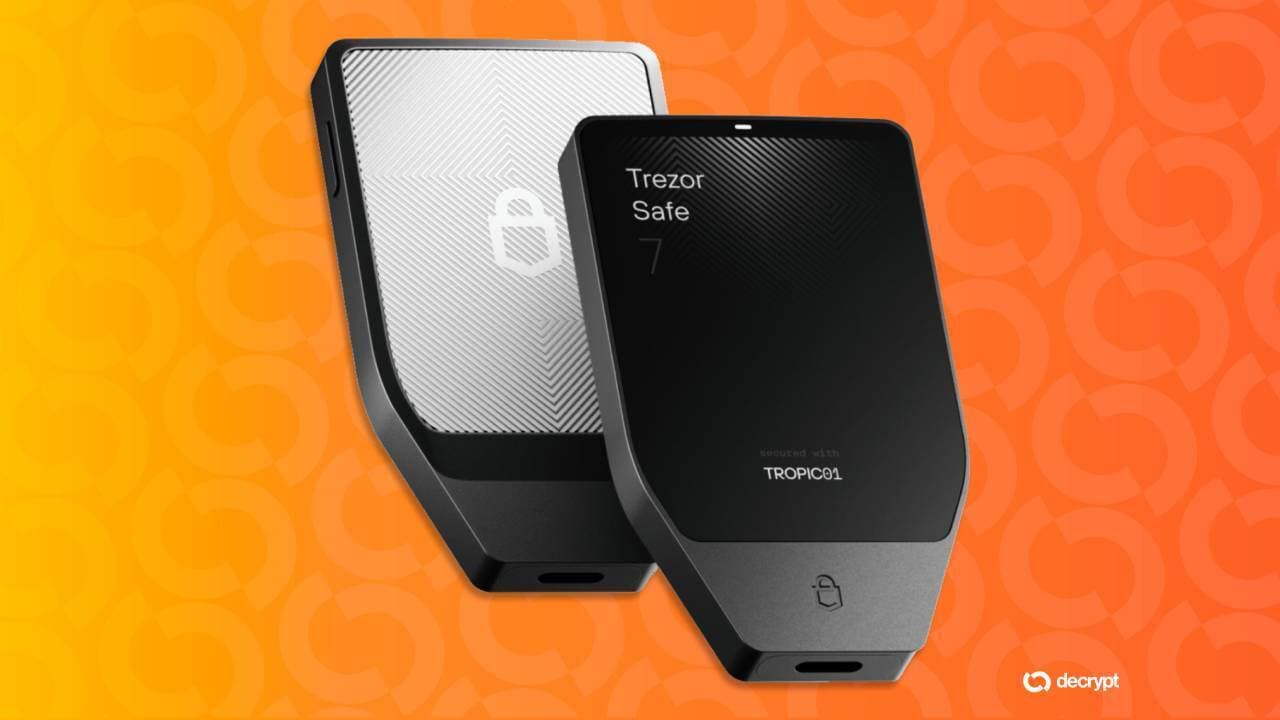
Trezor confirmed this week that customer data was compromised through a breach at one of its shipping partners—a stark reminder that even when your crypto assets stay secure, your personal information can still be weaponized by attackers.
The hardware wallet manufacturer emphasized that the actual devices and seed backups remain untouched. That's the good news. The bad news: attackers now have access to customer names, addresses, phone numbers, and email information harvested from the shipping partner's systems.
The Breach Details
Here's what happened: Trezor's logistics provider experienced a security incident that exposed customer records tied to hardware wallet shipments. While Trezor itself wasn't directly hacked, the third-party vulnerability created a direct pipeline to its customer base. This is a classic supply chain attack vector—the kind that keeps security teams up at night.
Trezor's statement emphasized that the compromise doesn't extend to the cryptographic keys or recovery seeds stored on the devices themselves. Your crypto holdings, in other words, remain locked behind your hardware wallet's security architecture. But that distinction offers cold comfort to customers now facing targeted phishing and social engineering campaigns.
Why This Matters for Crypto Investors
This breach illustrates a critical gap in the hardware wallet security model. You can have military-grade encryption protecting your private keys, but if attackers know your name, address, and phone number—and they know you own a Trezor—they become extremely motivated and well-armed for targeted attacks.
The leaked data creates perfect conditions for spear-phishing campaigns impersonating Trezor support, fake firmware updates, or direct social engineering attacks. Attackers will use the shipping information to craft convincing narratives about "account verification" or "security updates."
What Users Should Do Now
Trezor customers should immediately expect an uptick in suspicious communications claiming to be from the company. Don't click links in unsolicited emails. Don't call phone numbers provided in unexpected messages. Instead, navigate directly to Trezor's official website and use their verified support channels.
Enable additional security on any email accounts associated with your crypto holdings. Use unique, complex passwords for each exchange account. Consider enabling phone number privacy settings where possible—your cell number is now in attackers' targeting databases.
Alpha Take
This breach confirms that securing your crypto means securing your entire operational security posture, not just your hardware wallet. Supply chain vulnerabilities represent one of the highest-risk attack vectors in crypto, particularly for well-known wallet manufacturers. Trezor users should treat this as a wake-up call to audit their communication channels and tighten email security immediately—the real attack is likely still coming, just not to your private keys.
Originally reported by
Decrypt
Not financial advice. Crypto investing involves significant risk. Past performance does not guarantee future results. Always do your own research.