
Hawaii Becomes Fourth State to Shut Down Crypto ATMs as Scam Prevention Measure
Hawaii is making a decisive move to protect its residents—effective October 1st, the state will join Minnesota, Tennessee, and Indiana in implementing a complete ban on cryptocurrency ATMs and kiosks. This regulatory escalation reflects growing concerns about fraud schemes targeting everyday consum
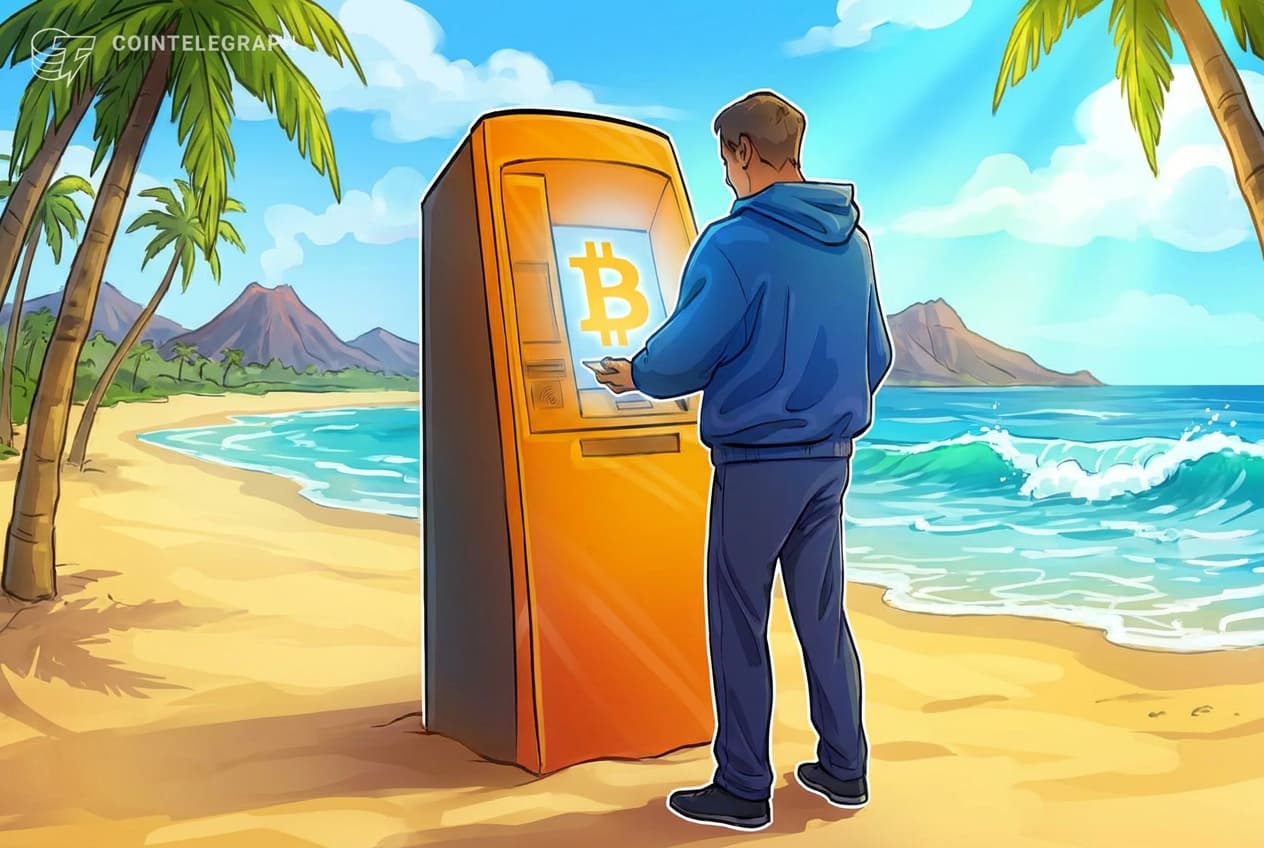
Hawaii is making a decisive move to protect its residents—effective October 1st, the state will join Minnesota, Tennessee, and Indiana in implementing a complete ban on cryptocurrency ATMs and kiosks. This regulatory escalation reflects growing concerns about fraud schemes targeting everyday consumers through these machines.
The Growing State-Level Crackdown
We're watching a clear pattern emerge across US states as regulators tighten their grip on crypto infrastructure. Hawaii's decision represents the fourth state-level ban, signaling that policymakers see crypto ATMs as vectors for consumer harm rather than legitimate financial services. Minnesota, Tennessee, and Indiana have already taken similar positions, creating a fragmented regulatory landscape that crypto entrepreneurs and operators will need to navigate carefully.
The timing matters here. As crypto adoption accelerates—whether through legitimate trading platforms or questionable channels—regulators are targeting the most accessible entry points where scammers operate. Crypto ATMs, particularly in high-traffic areas, have become notorious as touchpoints for fraud schemes that target vulnerable populations.
What's Driving the Ban
The core issue: scams. Crypto ATMs are frequently weaponized in pig-butchering schemes, romance scams, and tech support fraud. Bad actors direct victims to these machines to convert fiat into cryptocurrency, making transactions irreversible. Once funds hit the blockchain, recovery becomes nearly impossible—a reality that has cost Americans billions.
From a market intelligence perspective, this isn't just regulatory noise. Each state ban reduces the physical infrastructure available for crypto onboarding, which could push users toward regulated exchanges with better KYC (know your customer) protocols. That's arguably a healthier development for the broader crypto ecosystem, even if it creates friction short-term.
The Broader Regulatory Picture
Hawaii's October 1st implementation date gives crypto ATM operators two months to wind down operations or relocate their machines. This creates immediate compliance pressure in a state with growing financial tech adoption. The decision also raises questions: Will other states follow? Are crypto ATMs becoming a regulatory liability rather than a viable business model?
For traders and portfolio managers, this matters because it impacts how non-technical users access Bitcoin, Ethereum, and other cryptocurrencies. When ATM access disappears, retail participation channels narrow. Users must then rely on mobile apps, web platforms, and peer-to-peer transactions—all with different risk profiles and fee structures.
What This Means for Crypto Adoption
Here's the nuance: banning crypto ATMs might reduce scams, but it also limits legitimate access for unbanked or underbanked populations. That's the regulatory trade-off. The machines were never going to be the primary infrastructure for serious traders—but they were legitimate on-ramps for retail users skeptical of traditional banking.
The crypto analysis here is straightforward: expect more states to follow. Minnesota, Tennessee, Indiana, and now Hawaii represent a regulatory consensus that's building. If this momentum continues, the physical crypto ATM market faces existential pressure in the US.
Alpha Take
Hawaii's ATM ban is protective regulation, not anti-crypto policy—but the distinction matters less to market dynamics. Fewer access points consolidate power in regulated exchanges and custodians, which could accelerate institutional adoption while squeezing retail participation. Monitor which states move next; coordinated bans could reshape how Americans interact with Bitcoin and Ethereum at the consumer level.
Originally reported by
CoinTelegraph
Not financial advice. Crypto investing involves significant risk. Past performance does not guarantee future results. Always do your own research.