
Hawaii Closes Crypto ATM Cash Deposit Loophole to Combat Scam Epidemic
Hawaii's getting serious about stopping the money trail scammers use. Starting in October, the state will ban cash deposits at cryptocurrency ATMs—a targeted regulatory move that cuts off a critical funding mechanism for fraud while keeping these machines operational for legitimate trading.
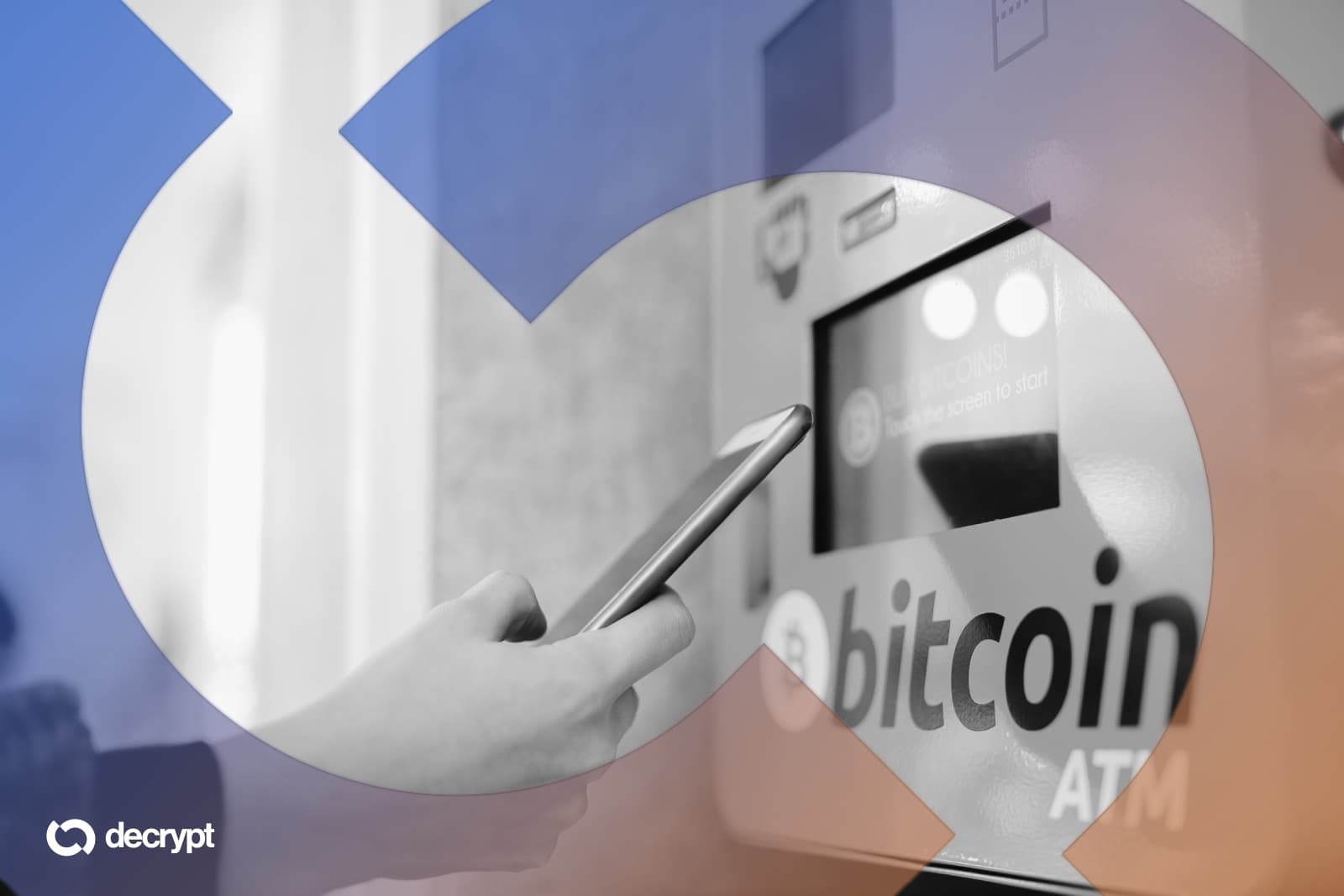
Hawaii's getting serious about stopping the money trail scammers use. Starting in October, the state will ban cash deposits at cryptocurrency ATMs—a targeted regulatory move that cuts off a critical funding mechanism for fraud while keeping these machines operational for legitimate trading.
The Scam Problem Hawaii's Addressing
The regulation targets a specific vulnerability: bad actors have been using crypto ATMs to convert stolen cash or fraud proceeds into digital assets. By depositing physical money at these machines, scammers effectively launder funds and move stolen wealth into the crypto ecosystem where it becomes harder to trace. Hawaii lawmakers identified this as a significant consumer protection issue and decided to act.
The ban doesn't kill crypto ATM functionality entirely. These machines will still operate—they just won't accept cash deposits anymore. Customers can continue selling crypto for dollars or swapping between different cryptocurrencies. The regulatory carve-out is deliberate: lawmakers preserved legitimate use cases while surgically removing the deposit feature that enables fraud.
What This Means for Crypto Trading Infrastructure
This represents a practical approach to crypto regulation that we're seeing more frequently. Rather than blanket bans that stifle innovation, Hawaii is implementing surgical restrictions on specific abuse vectors. The state recognizes that cryptocurrency ATMs serve a real function for traders—providing quick fiat-to-crypto conversions and peer-to-peer coin swaps. Eliminating those services entirely would be economically counterproductive.
However, the cash deposit ban will create friction for certain users. Legitimate traders who prefer converting physical currency to bitcoin or ethereum through these machines will need to find alternative entry points—bank transfers, mobile apps, or traditional exchanges. That's the tradeoff: security theater? Not quite. This actually addresses a documented problem vector.
The Bigger Picture on Crypto Regulation
Hawaii's move fits into a broader pattern of state-level crypto governance. With federal oversight still developing, individual states are experimenting with targeted interventions. Some focus on exchange licensing, others on custodial requirements. Hawaii's approach—restricting specific transaction types while preserving core market intelligence and trading infrastructure—is pragmatic.
The October implementation timeline gives crypto ATM operators time to update their systems. Most modern machines run software that can be remotely configured, so the technical lift is minimal. The real challenge will be compliance monitoring and ensuring operators actually disable cash deposit functionality.
From a market perspective, this won't materially disrupt crypto adoption. Bitcoin, ethereum, and other digital assets have multiple onramps. Removing one pathway—especially one frequently compromised by fraud—probably increases overall ecosystem credibility rather than limiting it.
Alpha Take
Hawaii's ban targets the mechanism, not the medium. By eliminating cash deposits while preserving crypto-to-fiat and coin-swap functionality, the state demonstrates understanding that crypto ATMs aren't inherently problematic—it's specific use cases that enable fraud. This distinction matters for portfolio strategy: regulatory wins that address real harms (scam facilitation) tend to have staying power compared to blanket restrictions. Monitor how other states respond; this could become the template for balanced crypto regulation.
Originally reported by
Decrypt
Not financial advice. Crypto investing involves significant risk. Past performance does not guarantee future results. Always do your own research.