
House Democrats Split on Crypto Tax Framework as Election Timeline Pressures Legislation
Pro-crypto Democrats are pushing back hard on proposed tax treatment for digital asset activities, creating unexpected friction within party ranks during a House Committee hearing Tuesday. The debate centers on staking and mining tax exemptions—key provisions that are now facing scrutiny from membe
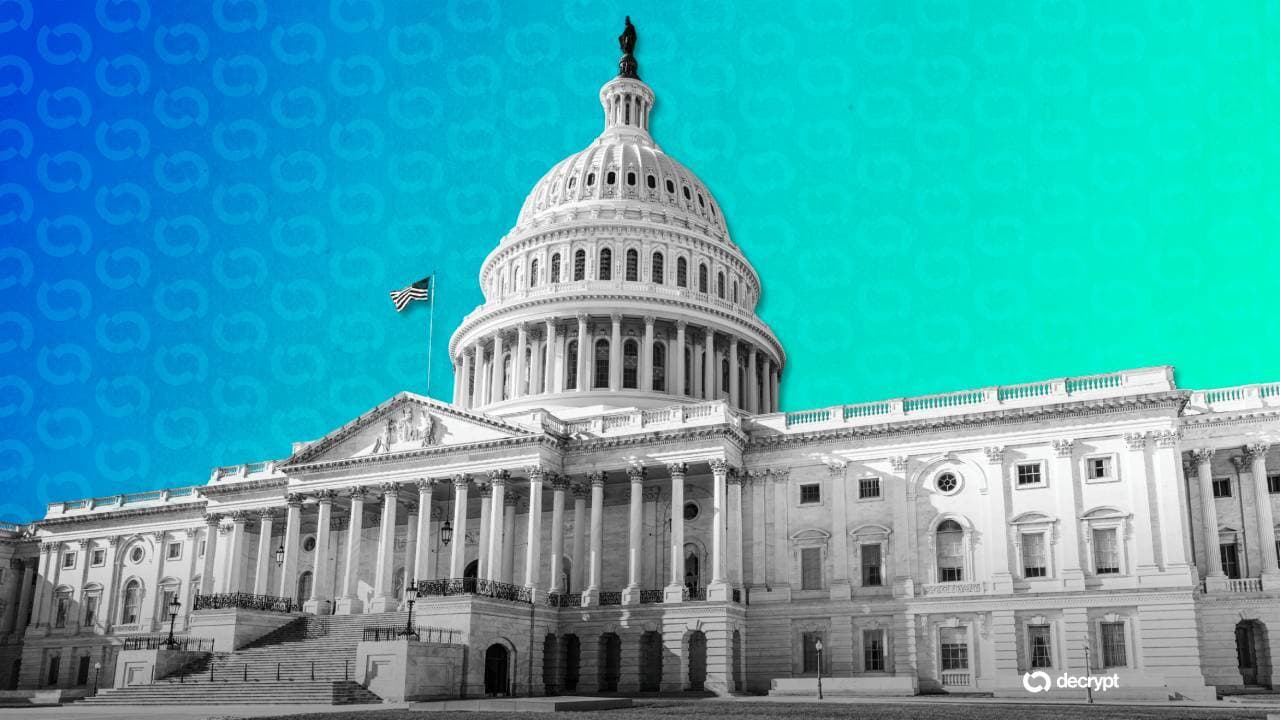
Pro-crypto Democrats are pushing back hard on proposed tax treatment for digital asset activities, creating unexpected friction within party ranks during a House Committee hearing Tuesday. The debate centers on staking and mining tax exemptions—key provisions that are now facing scrutiny from members who worry about revenue implications and fairness concerns.
The timing couldn't be more complicated. Party leadership signaled that comprehensive crypto tax bills may need to wait until after the midterms, effectively putting legislative momentum on ice during a critical political season. This creates a strategic dilemma for the crypto industry: push for favorable tax treatment now and risk partisan blowback, or accept delay and hope for a more receptive Congress post-election.
The Staking and Mining Question
The crux of the disagreement centers on how to tax two fundamental crypto activities. Staking—where validators lock up tokens to secure blockchain networks and earn rewards—and mining, where computational power generates new coins, represent significant income streams for participants. Some lawmakers want these activities exempted from immediate taxation, arguing that taxing rewards at creation treats crypto unfairly compared to traditional investments.
But not all Democrats see it that way. Several committee members questioned whether broad exemptions could create revenue shortfalls the government can't afford. The tension reflects a broader crypto policy struggle: balancing innovation incentives against fiscal responsibility. Pro-crypto advocates counter that premature taxation will simply push mining and staking operations overseas, eliminating both tax revenue and American competitiveness in digital asset infrastructure.
Leadership Signals Strategic Pause
The most significant development Tuesday wasn't what passed—it's what got delayed. House leadership indicated that pushing crypto tax bills through before November elections could create political vulnerabilities for moderates in competitive districts. Crypto taxation remains a somewhat toxic issue for general audiences, and leadership apparently doesn't want it weaponized during campaign season.
This tactical delay frustrates industry advocates who've been building momentum around crypto-friendly legislation. Every week of delay is a week the industry can't operationalize new tax frameworks, leaving compliance questions unresolved heading into 2023. For traders and portfolio managers, this means continued regulatory uncertainty—precisely what we don't need heading into a volatile market environment.
What's Next
The committee hearing revealed that intra-party divisions on crypto are real and substantial. It's no longer a simple left-versus-right divide. Democrats wrestling with budget concerns are just as skeptical of tax breaks for digital assets as their Republican counterparts, though they may package their concerns differently.
Expect the crypto tax debate to resurface after election day—assuming Republicans don't take control of the agenda. If they do, we could see entirely different legislative priorities. For now, the industry faces a waiting game.
Alpha Take
Pro-crypto Democrats' skepticism on staking and mining exemptions signals that tax-friendly crypto legislation faces harder sledding than expected, even within sympathetic circles. The midterm pause likely extends through Q1 2023, leaving traders and staking participants operating in regulatory limbo. Portfolio managers should prepare for potential retroactive tax treatment once Congress does move—current activities could face unfavorable interpretation if new rules backdate to 2022.
Originally reported by
Decrypt
Not financial advice. Crypto investing involves significant risk. Past performance does not guarantee future results. Always do your own research.