
How Brazilian Farmers Are Breaking the Credit Barrier by Tokenizing Cattle
Brazil's agricultural sector just found an unlikely solution to its lending crunch: blockchain. For the first time, dairy farmers are tokenizing cows on Brazil's official stock exchange, creating a novel pathway to secure financing when traditional credit channels have dried up.
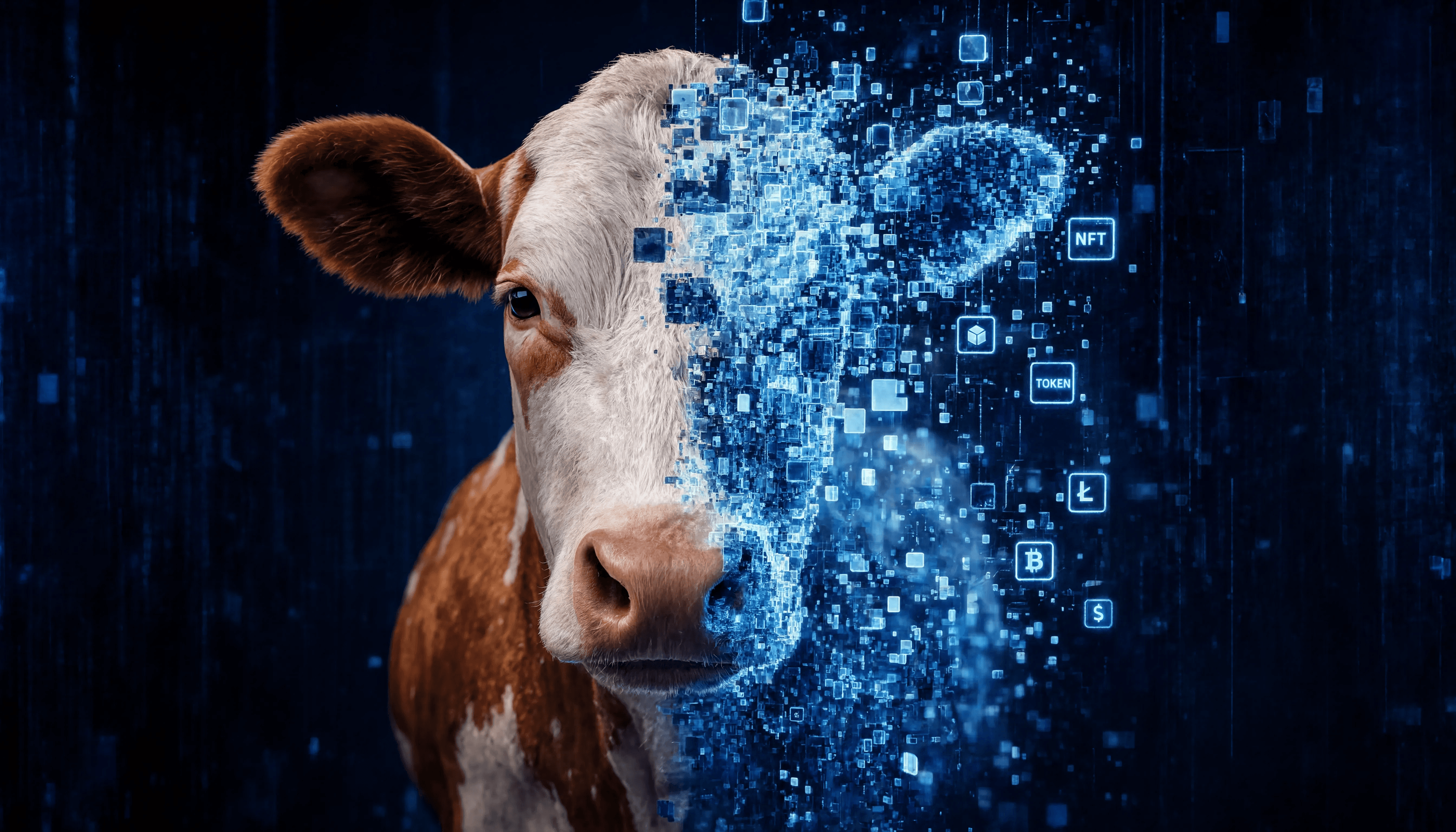
Brazil's agricultural sector just found an unlikely solution to its lending crunch: blockchain. For the first time, dairy farmers are tokenizing cows on Brazil's official stock exchange, creating a novel pathway to secure financing when traditional credit channels have dried up.
The Cattle Collateral Revolution
The tokenized livestock deal represents a genuine breakthrough for Brazil's struggling dairy industry. Farmers facing steep borrowing costs and limited access to conventional bank credit are now turning to digital asset issuance. By converting their cattle into blockchain-based tokens, they're creating tradeable, verifiable collateral that attracts institutional investors.
This isn't theoretical—it's actively working. The mechanism allows farmers to issue tokens backed by their herds, which trade on regulated exchanges. Investors gain exposure to real agricultural assets while farmers unlock capital they desperately need. The tokenization process creates transparency around herd composition, health records, and productivity metrics, which actually improves lending conditions compared to traditional opaque agricultural financing.
Why This Matters for Brazil's Dairy Crisis
Brazil's agricultural credit landscape has tightened considerably. Banks have raised borrowing rates and tightened standards, squeezing margins for dairy operations already dealing with rising input costs and volatile commodity prices. The sector's credit crisis isn't just a minor friction point—it threatens the viability of smaller and mid-sized farms that form the backbone of Brazilian dairy production.
Tokenization sidesteps these barriers. By bringing livestock onto regulated exchanges, farmers access a broader pool of capital beyond traditional agricultural lenders. The blockchain infrastructure creates immutable records of animal ownership and condition, reducing risk premiums that banks typically charge agriculture.
The Mechanics Behind the Deal
The tokenized offering structures dairy herd value into manageable, tradeable units. Each token represents a claim on underlying livestock assets. Smart contracts automate certain administrative functions, reducing intermediaries and friction costs. The entire process lives on-chain with custody solutions designed specifically for agricultural assets.
This model appeals to institutional investors seeking alternative assets with tangible backing. Unlike pure crypto speculation, these tokens represent actual productive assets generating milk and value over time.
Scalability Questions Remain
While the first deal signals genuine innovation, questions linger about whether this scales across Brazil's 1.3 million dairy farms. Regulatory clarity remains fragmented, and not all farmers have the technical sophistication to participate in tokenized markets. Custody solutions need strengthening, and price discovery mechanisms for tokenized livestock are still developing.
The real test comes when market conditions tighten. Do investors maintain appetite for tokenized cattle during downturns? Can the infrastructure handle volumes if adoption accelerates?
Alpha Take
This tokenized livestock experiment demonstrates how blockchain solves real-world problems when traditional finance fails. Brazilian farmers aren't adopting crypto for speculation—they're using it as a pragmatic financing tool. If successful at scale, this model could reshape agricultural credit across emerging markets. Watch whether other livestock-producing nations adopt similar frameworks; the playbook could export quickly if capital flows follow.
Originally reported by
Decrypt
Not financial advice. Crypto investing involves significant risk. Past performance does not guarantee future results. Always do your own research.