
Illinois Crypto Tax Under Fire: Industry Groups Launch Last-Ditch Effort to Stop January Implementation
Trade associations are making one final push to derail Illinois' controversial 0. 2% cryptocurrency tax before it takes effect in January.
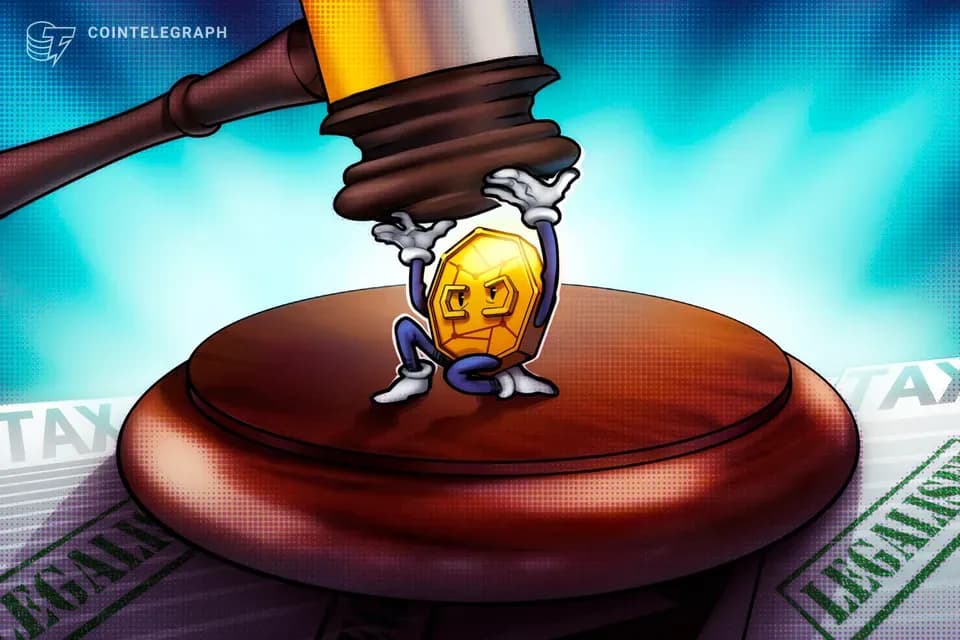
Trade associations are making one final push to derail Illinois' controversial 0.2% cryptocurrency tax before it takes effect in January. The effort marks an escalation in the ongoing battle between the crypto industry and state regulators over what supporters say is a revenue stream and critics argue is an existential threat to market participation.
The Blockchain Association and Crypto Currency Institute (CCI) are doubling down on their legal challenge, having already filed suit against the state. Their core argument: the tax is unconstitutional and would create unreasonable compliance burdens on crypto traders and platforms operating in Illinois.
The Constitutional Question
The groups contend that the tax structure violates state law and potentially overreaches federal commerce authority. They're positioning this as more than just a tax dispute—it's a fight over whether states can unilaterally tax crypto transactions at rates that would fundamentally alter trading economics.
What makes this particularly sharp: a 0.2% tax might sound modest on paper, but it compounds across transaction volume. For active traders, it's a meaningful drag on returns. For platforms, it creates administrative friction that could push users toward competing jurisdictions or decentralized alternatives.
Compliance Burden: The Hidden Cost
Beyond the headline tax rate, the trade groups argue the real damage comes from implementation complexity. Platforms would need to:
- •Track every crypto transaction by Illinois residents
- •Calculate tax liability across volatile asset prices
- •File detailed reporting with state authorities
- •Maintain audit trails for compliance
This isn't just backend work—it directly impacts trading experience and operational costs, which inevitably get passed to users.
Why the Timing Matters
The January effective date creates urgency. Once the tax goes live, platforms face immediate compliance decisions: Do they absorb costs, pass them to users, or restrict Illinois trading? Each option has downsides that ripple through the ecosystem.
Illinois is watching closely. If the state successfully implements this tax, other states are likely watching the playbook. That's exactly why the industry is fighting hard now rather than later.
What Happens Next
The legal path forward is murky. Courts move slowly, and January deadlines don't always pause for litigation. We could see:
- •Emergency stays temporarily blocking the tax
- •The tax goes live while legal challenges proceed
- •Last-minute legislative fixes (unlikely but possible)
- •Implementation delays as platforms scramble for compliance
The state has positioned this as a reasonable revenue measure. Illinois officials argue crypto represents significant transaction volume that should contribute to state coffers like other financial activities do. The industry counters that crypto's decentralized nature makes this an unfair, impractical burden on an emerging asset class.
Alpha Take
This fight signals broader regulatory tensions: states want tax revenue from crypto activity, but the industry argues compliance costs make these taxes economically inefficient. Regardless of the January outcome, expect this pattern to repeat in other states. Traders should monitor this closely—if Illinois succeeds, your tax bracket and jurisdiction matter more for crypto portfolio management.
Originally reported by
CoinTelegraph
Not financial advice. Crypto investing involves significant risk. Past performance does not guarantee future results. Always do your own research.