
Injective Secures SEC Registration to Become Tokenization Infrastructure Player
Injective has officially become an SEC-registered transfer agent—a move that fundamentally positions the layer-1 blockchain as a regulated backbone for the emerging tokenized securities market. The registration grants Injective a legally compliant pathway to track ownership of tokenized securities
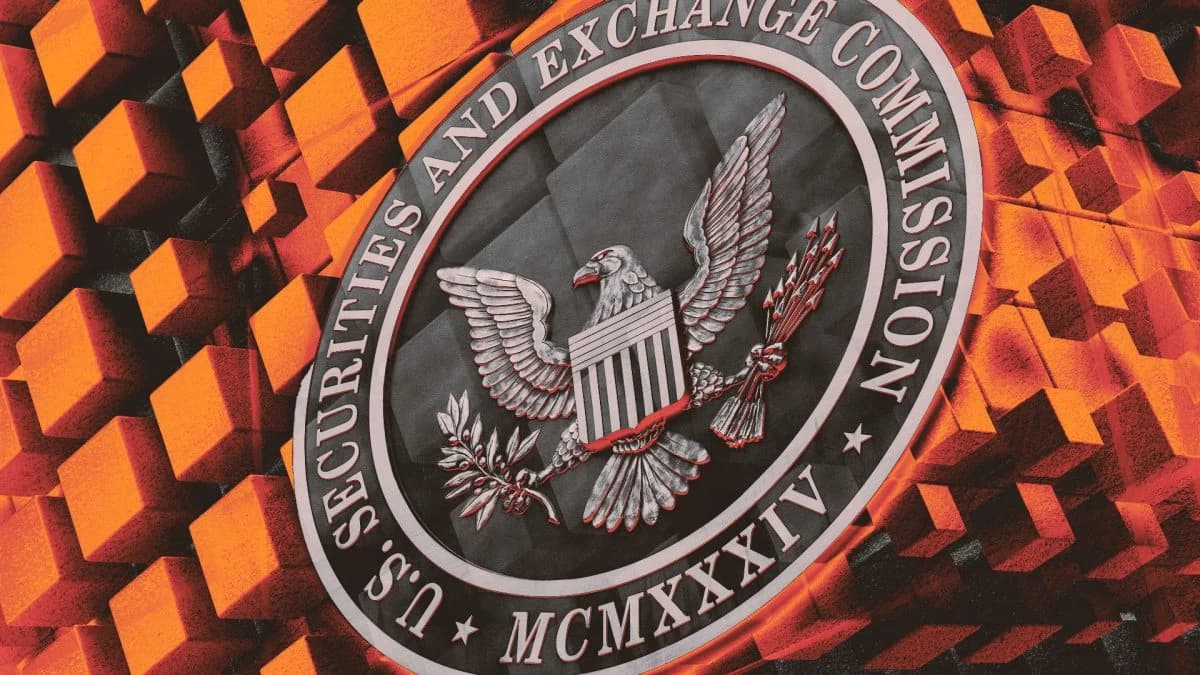
Injective has officially become an SEC-registered transfer agent—a move that fundamentally positions the layer-1 blockchain as a regulated backbone for the emerging tokenized securities market.
The registration grants Injective a legally compliant pathway to track ownership of tokenized securities and manage asset transfers on-chain. This isn't just bureaucratic window dressing. It's a structural advantage in the race to become the default infrastructure for real-world asset (RWA) tokenization.
Why This Matters for Tokenization
Transfer agent status means Injective can now handle the core operational mechanics that institutional players require: maintaining accurate ownership records, managing corporate actions, and ensuring regulatory compliance. Think of it as getting the keys to the institutional treasury.
The timing is strategic. We're seeing major financial institutions and crypto projects betting heavily on tokenization. The market for tokenized securities is projected to grow substantially as regulatory frameworks solidify and institutional capital demands on-chain infrastructure. Injective's SEC registration removes a critical friction point for institutions that were hesitant to build tokenization solutions on unregistered platforms.
The Competitive Landscape
Other blockchain platforms have tokenization ambitions, but few have secured formal SEC registration as transfer agents. This gives Injective a regulatory moat—at least for now. The registration essentially signals to institutional clients that Injective has passed SEC scrutiny and can operate with explicit regulatory blessing.
For Injective's ecosystem, this opens the door to partnerships with traditional finance firms, custody providers, and issuers looking to tokenize securities like bonds, equities, and other assets. We're talking about a multi-trillion dollar market opportunity if tokenization gains traction.
What's Next
The registration is foundational, but execution matters. Injective needs to attract actual issuers and liquidity providers to build a functioning market. Early adoption will likely come from smaller, forward-thinking issuers willing to experiment with blockchain-native settlement. As the infrastructure proves reliable and compliant, larger players will follow.
The platform's native token, INJ, benefits from this regulatory clarity. Investors can now point to concrete institutional tailwinds rather than abstract tokenization narratives. That's the kind of catalyst that moves markets.
Alpha Take
Injective's SEC transfer agent registration is a significant structural win in positioning the platform as serious tokenization infrastructure, but it's a necessary foundation rather than a silver bullet. The real value unlock depends on capturing actual volume—will institutional issuers and investors actually migrate securities onto Injective, or will this regulatory greenlight sit underutilized? Monitor adoption metrics closely; early partnerships with established financial institutions will be the real litmus test for whether this registration translates into genuine competitive advantage in the crypto and RWA trading space.
Originally reported by
The Block
Not financial advice. Crypto investing involves significant risk. Past performance does not guarantee future results. Always do your own research.