
Interpol Dismantles $122M Romance Scam Crypto Pipeline in Massive Fraud Crackdown
Interpol's latest global enforcement operation has exposed a sophisticated romance scam network that funneled over $122. 5 million through a single crypto wallet in just 10 months.
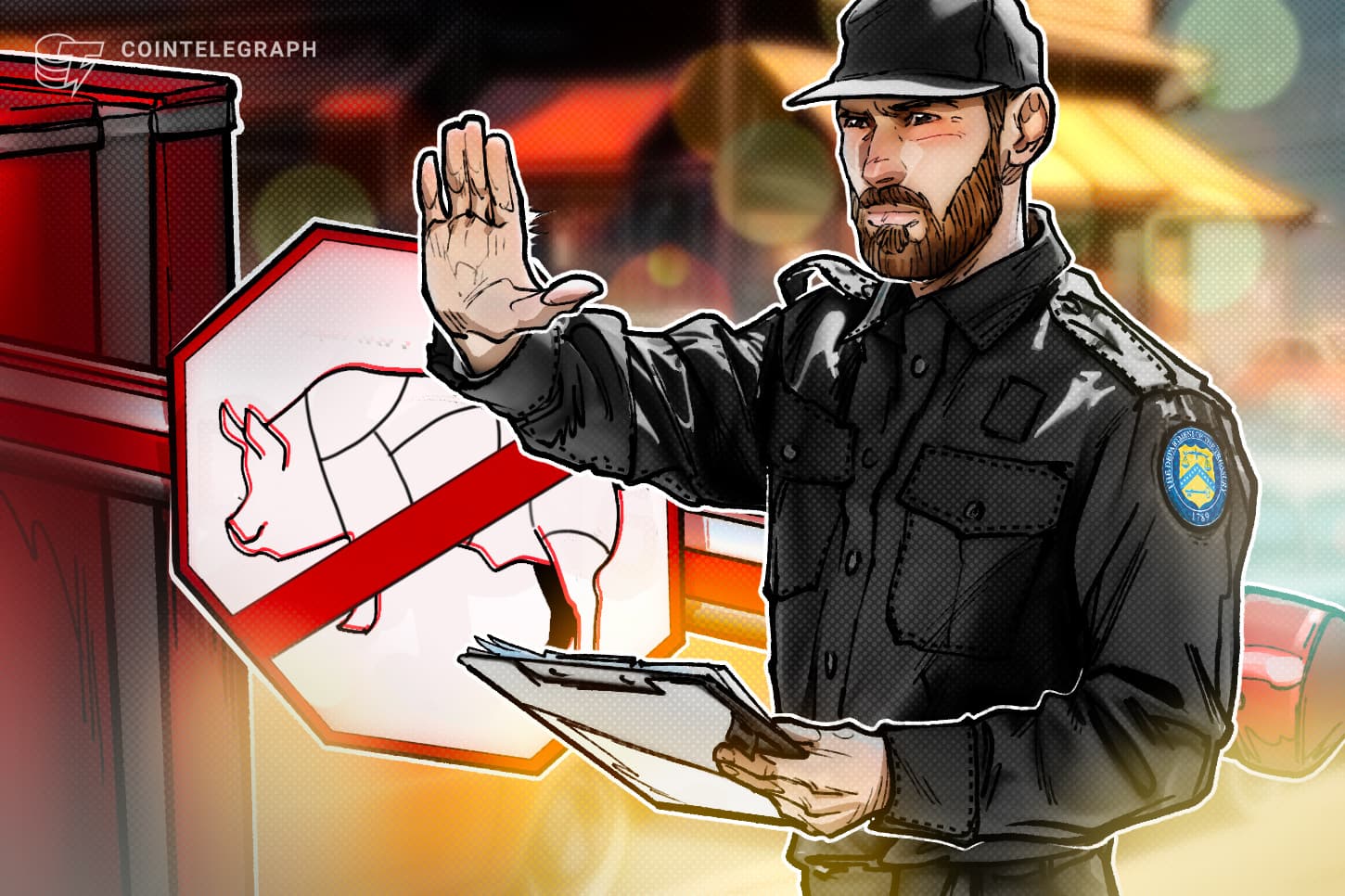
Interpol's latest global enforcement operation has exposed a sophisticated romance scam network that funneled over $122.5 million through a single crypto wallet in just 10 months. The breakthrough came as part of a sweeping international anti-fraud campaign that resulted in 5,811 arrests worldwide—a staggering show of coordinated law enforcement muscle against organized cybercrime.
The Scale of the Operation
The sheer volume moving through that one wallet underscores how crypto has become the preferred rails for large-scale fraud schemes. We're talking about roughly $12 million per month flowing through digital channels designed to obscure transaction trails and exploit the pseudonymous nature of blockchain technology. Romance scams, long dismissed as low-level fraud, have evolved into billion-dollar criminal enterprises with sophisticated money laundering operations.
How the Scheme Operated
Romance scammers typically lure victims through dating apps and social media, building elaborate fake personas over weeks or months. Once they've established emotional connections—and trust—they pivot to financial requests. The victim might be asked to "help" with a business emergency, medical crisis, or travel expense. Money flows to accounts controlled by the scammers, then gets rapidly converted to crypto to evade traditional banking surveillance.
The use of crypto in this pipeline is no accident. Bitcoin, Ethereum, and stablecoins provide speed and opacity that traditional wire transfers can't match. By converting fiat to digital assets, these networks effectively break the money trail for investigators relying on conventional financial intelligence.
Interpol's Coordinated Response
What distinguishes this operation is its scale. Interpol coordinated across member nations to execute simultaneous takedowns, freeze assets, and arrest key players in the laundering network. The 5,811 arrests represent law enforcement's growing capability to dismantle these operations at multiple points—from the scammers running the initial cons to the money launderers processing crypto conversions.
The investigation reveals the interconnected nature of modern financial crime. A victim in one country sends money that gets laundered through crypto exchanges in a second country, potentially mixing with funds from dozens of other fraud schemes, before emerging as "clean" assets in a third jurisdiction.
Implications for Crypto Market Intelligence
For traders and portfolio managers, this takedown matters. Increased regulatory scrutiny of crypto transactions tied to fraud creates friction points across exchanges. We're likely to see:
- •Stricter KYC (Know Your Customer) requirements at major platforms
- •Enhanced monitoring of wallet movements flagged as high-risk
- •Potential delisting or restrictions on privacy-focused coins used in laundering
- •More law enforcement presence in on-chain analytics
The romance scam ecosystem operates at massive scale—hitting vulnerable targets across demographics and generating losses in the billions annually. This Interpol operation represents a rare coordinated strike, but the underlying infrastructure enabling these schemes remains largely intact.
Alpha Take
This operation demonstrates that crypto's pseudonymity—while valuable for legitimate privacy—remains a critical vulnerability exploited by organized crime. Watch for increased regulatory pressure on exchanges handling suspicious wallet activity; compliance costs will likely rise across the industry. For your portfolio, monitor how exchanges respond to enforcement actions, as those managing risk most effectively will gain market share from competitors facing additional restrictions.
Originally reported by
CoinTelegraph
Not financial advice. Crypto investing involves significant risk. Past performance does not guarantee future results. Always do your own research.