
Iran's $10 Billion Bitcoin Play: A New Angle on Strait of Hormuz Risk Management
Iran is exploring a novel approach to marine insurance by leveraging cryptocurrency—specifically Bitcoin—to cover cargo risks through the Strait of Hormuz. According to reports, the initiative could generate approximately $10 billion for the Iranian economy through a cryptocurrency-based insurance
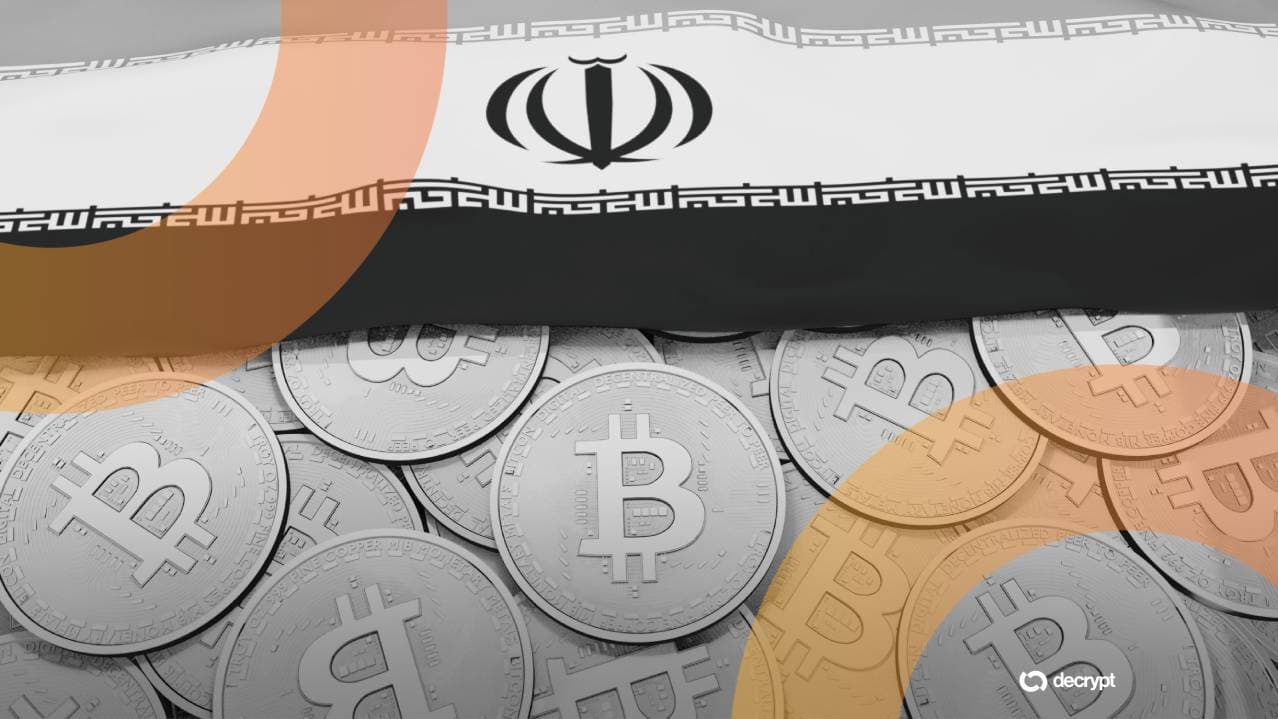
Iran is exploring a novel approach to marine insurance by leveraging cryptocurrency—specifically Bitcoin—to cover cargo risks through the Strait of Hormuz. According to reports, the initiative could generate approximately $10 billion for the Iranian economy through a cryptocurrency-based insurance framework.
The Bitcoin Insurance Framework
The proposed system would settle cargo coverage claims in Bitcoin under a comprehensive marine policy and certificate structure. Rather than traditional fiat-based insurance mechanisms, Iran's plan pivots toward crypto settlement, creating what could become a significant revenue stream. The platform targets vessels navigating one of the world's most critical chokepoints for global oil trade.
This move reflects broader crypto adoption trends in emerging markets and sanctioned economies seeking alternative financial infrastructure. By positioning Bitcoin as the settlement mechanism, Iran sidesteps traditional banking channels—a strategic consideration given geopolitical tensions and international sanctions limiting conventional financial access.
Why the Strait of Hormuz Matters
The Strait of Hormuz represents roughly 21% of global petroleum transit. Maritime incidents, geopolitical tensions, and regional instability create genuine insurance demand. Cargo owners and shipping companies constantly seek protection against loss, piracy, and environmental damage. A $10 billion insurance pool would be substantial enough to cover significant maritime claims while establishing Iran as a player in specialized crypto finance.
Crypto as Alternative Infrastructure
This isn't Iran's first foray into cryptocurrency adoption. The country has previously explored Bitcoin mining and crypto trading as sanctions-evasion tactics and economic diversification strategies. Using Bitcoin for marine insurance represents a logical extension—converting geopolitical disadvantage into innovative financial infrastructure.
The approach carries risks. Bitcoin volatility could complicate claims settlement. Regulatory recognition remains uncertain internationally. However, for a nation facing banking restrictions, crypto-denominated insurance offers genuine advantages: reduced counterparty risk, censorship resistance, and direct peer-to-peer settlement capabilities.
Market Intelligence Angle
From a market perspective, this signals something important: institutional-grade crypto use cases are emerging beyond speculation and trading. Insurance represents real economic activity with tangible value creation. If successful, Iran's model could inspire similar initiatives in other sanctioned or underbanked regions.
The $10 billion figure also matters for crypto market intelligence. Bitcoin as a settlement layer for insurance claims would represent meaningful, sustained on-chain activity. This differs from speculative trading flows—it's genuine commerce using crypto infrastructure.
The Broader Implications
This development underscores Bitcoin's evolution from purely speculative asset to functional economic tool. Whether Iran's specific initiative gains traction remains unclear, but the conceptual framework—using decentralized crypto settlement for traditional economic functions—is gaining credibility.
For portfolio strategists and traders tracking institutional adoption, this represents another data point supporting long-term crypto integration into global finance. The fact that a nation under sanctions can pioneer these applications suggests demand exists beyond Western institutional markets.
Alpha Take
Iran's $10 billion Bitcoin insurance initiative for Strait of Hormuz cargo represents genuine institutional crypto adoption emerging from geopolitical necessity. While regulatory acceptance remains uncertain, the framework signals Bitcoin's evolution into real economic settlement infrastructure. Traders should monitor whether this model gains traction internationally—successful implementation could validate crypto's role in global commerce beyond speculation and drive meaningful on-chain utilization metrics.
Originally reported by
Decrypt
Not financial advice. Crypto investing involves significant risk. Past performance does not guarantee future results. Always do your own research.