
Iranian Scammers Exploit Shipping Crisis With Cryptocurrency Extortion Scheme
The geopolitical tensions gripping the Middle East have spawned a new breed of threat—crypto-savvy scammers demanding bitcoin and USDT from maritime operators navigating the Strait of Hormuz. As the regional conflict drags into its third month, vessels transiting one of the world's most critical s
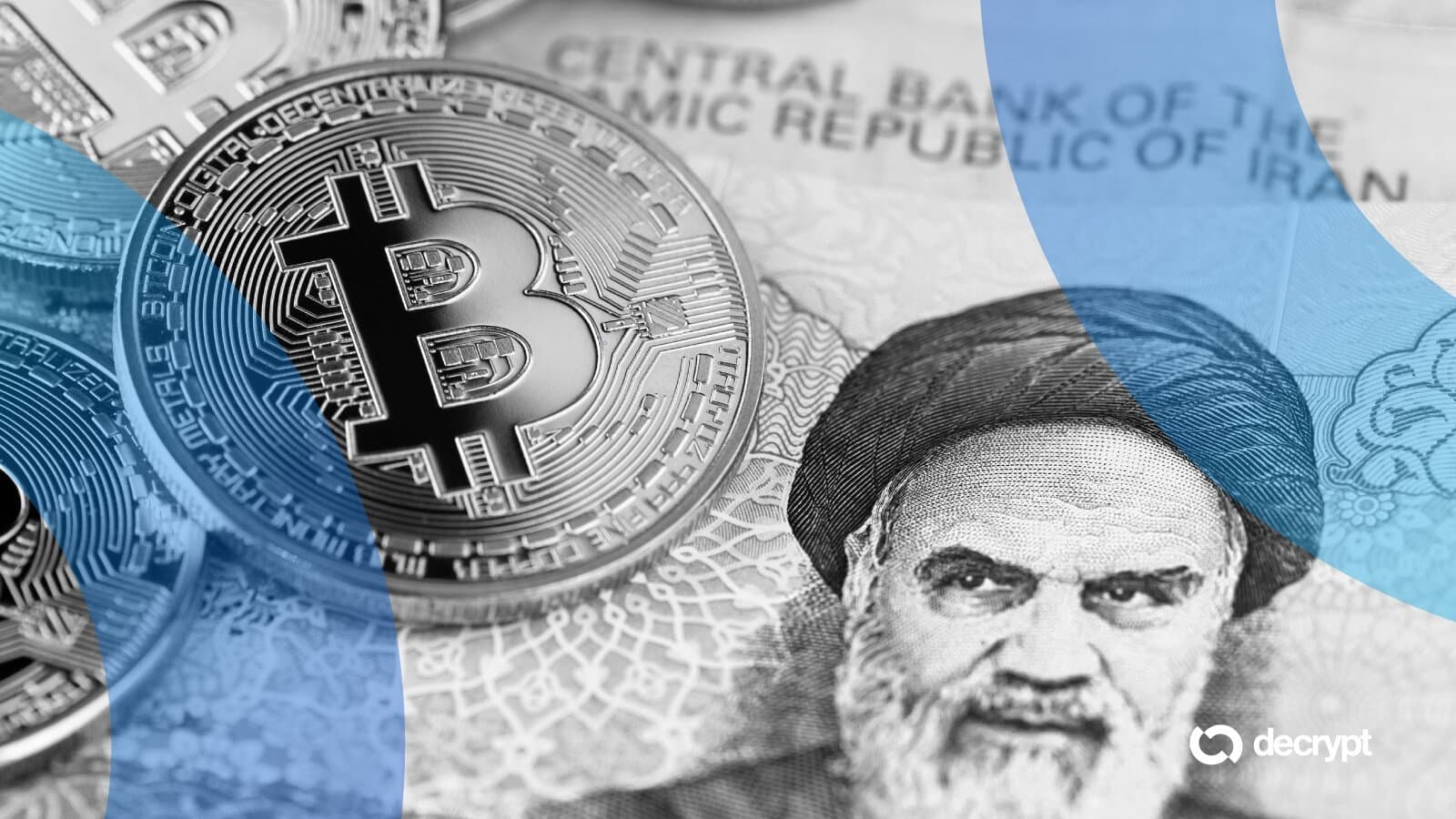
The geopolitical tensions gripping the Middle East have spawned a new breed of threat—crypto-savvy scammers demanding bitcoin and USDT from maritime operators navigating the Strait of Hormuz.
As the regional conflict drags into its third month, vessels transiting one of the world's most critical shipping chokepoints face a wave of fraudulent "clearance" demands. These aren't traditional pirates—they're operating a sophisticated extortion racket specifically designed around cryptocurrency payments, exploiting both shipping vulnerabilities and the speed of digital asset transfers.
The Scam in Action
The scheme targets commercial shipping companies by impersonating Iranian authorities and port operators. Scammers send fraudulent communications claiming that ships require "crypto transit clearance" to safely pass through the Strait of Hormuz. The demands typically specify bitcoin or USDT—two assets chosen for their liquidity and relative anonymity compared to traditional banking channels.
The timing isn't accidental. With legitimate shipping already chaotic due to geopolitical uncertainty, operators face intense pressure to move cargo quickly. That urgency makes vessels more susceptible to hasty payment decisions without full verification of demands.
Why Cryptocurrency?
The choice of bitcoin and USDT reveals operational sophistication. These assets move fast—critical when scammers need to liquidate stolen funds before detection. Unlike wire transfers or credit card payments, crypto transactions are harder to reverse once confirmed. This creates a one-way transfer mechanism that appeals to threat actors operating in hostile environments.
For shipping companies, the pressure is real. A month-long delay in transit costs millions. A quick crypto payment might seem like operational overhead to some risk managers, especially when facing uncertainty about legitimate port authorities' actual demands.
Port Authority Warnings
Legitimate Iranian port operators have issued warnings about the scam, but communication breakdowns and information asymmetry work in scammers' favor. Some shipping companies may struggle to distinguish between genuine regulatory requirements and fraudulent demands, particularly if they lack crypto experience.
The incident highlights a broader vulnerability: as cryptocurrency becomes more integrated into global commerce, bad actors weaponize it against industries unprepared for digital asset extortion. Traditional businesses unfamiliar with crypto verification procedures become easy targets.
Market Implications
From a crypto market intelligence perspective, this represents an emerging exploitation vector. We're watching how real-world conflict creates demand for specific use cases—in this case, untraceable payment mechanisms for illegal activities. Bitcoin and USDT face increased regulatory scrutiny whenever tied to extortion schemes, potentially influencing institutional sentiment around digital assets.
The incident also underscores why portfolio diversification and robust asset security matter. As cryptocurrencies integrate into broader economic systems—legitimate and otherwise—market volatility tied to geopolitical events will likely intensify.
Alpha Take
This scam reveals how cryptocurrency's speed and pseudonymity become liability in conflict zones. We're tracking how Middle Eastern tensions correlate with extortion-related crypto transaction patterns—watch for spikes in peer-to-peer exchanges and stablecoin transfers that might indicate similar schemes. Shipping industry adoption of blockchain verification protocols could mitigate these risks, presenting legitimate use cases for distributed ledger technology beyond speculation.
Originally reported by
Decrypt
Not financial advice. Crypto investing involves significant risk. Past performance does not guarantee future results. Always do your own research.