
Irish Criminals Are Now Stashing Crypto Keys in Private Vaults—Here's What That Means for AML
Ireland's Criminal Assets Bureau just dropped intel that's reshaping how we think about crypto security and crime. Turns out, organized gangs aren't just hodling their digital assets in hot wallets anymore.
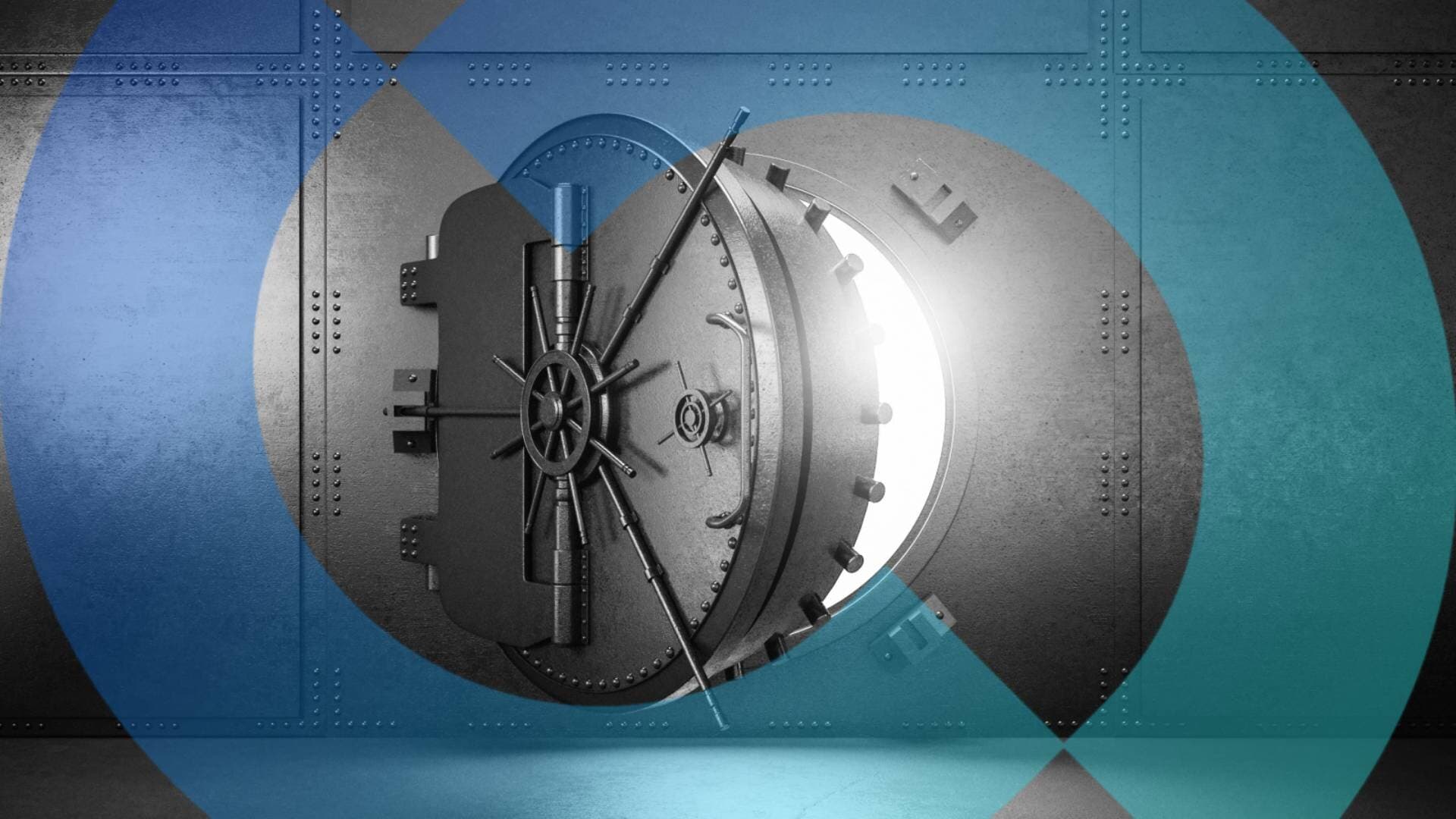
Ireland's Criminal Assets Bureau just dropped intel that's reshaping how we think about crypto security and crime. Turns out, organized gangs aren't just hodling their digital assets in hot wallets anymore. They're renting private vaults to physically store cryptocurrency keys—placing them right alongside cash, watches, and passports, according to the bureau's latest findings.
The Shift: From Digital to Physical Security
This move signals a tactical change in how criminal networks are protecting their crypto holdings. Rather than relying solely on digital custody solutions, these gangs are treating private keys like any other high-value asset: physically secured in rented boxes. It's a hybrid approach that complicates traditional law enforcement tracking.
The strategy makes operational sense from a risk perspective. While holding keys in digital wallets exposes assets to hacking, exchange hacks, and regulatory seizure, cold storage in physical vaults adds a layer of obfuscation. You can't freeze an asset you can't digitally trace, and you can't seize what you can't physically locate.
What This Reveals About Crypto's Role in Crime
The Irish Criminal Assets Bureau's observation underscores something we've known but rarely see confirmed: cryptocurrency has become the asset class of choice for organized crime. Unlike traditional criminal proceeds—cash, jewelry, property—crypto offers pseudonymity, cross-border portability, and 24/7 liquidity. But it's not foolproof, which is why sophisticated operators are layering in physical security measures.
This isn't unique to Ireland. We've seen similar patterns globally, where high-net-worth criminals and organized groups combine digital asset management with traditional security practices. The vault rental trend suggests these operations have matured beyond simple HODL strategies into enterprise-grade asset management.
The AML Compliance Problem
Here's where it gets thorny for regulators: private vault operators typically don't fall under the same anti-money laundering (AML) scrutiny as crypto exchanges or custodians. A vault company renting storage space to someone who claims they're storing "valuables" isn't necessarily running KYC checks on what those valuables represent. It's a regulatory blind spot.
The Irish bureau's public comments suggest they're flagging this gap. If crypto keys are being systematically stored in private vaults, traditional asset tracing becomes significantly harder. Law enforcement can't subpoena digital records if the keys are literally in a physical box in an undisclosed location.
Alpha Take
This Irish data point reveals a critical vulnerability in the global AML framework: the collision between crypto's digital nature and traditional financial crime's analog security habits. As criminal networks sophisticate their custody strategies, regulators need to expand oversight of private vault operators and cold storage facilities. For legitimate crypto portfolio managers, the lesson is simpler—this validates that cold storage remains the gold standard for security, but the intersection of private vaults and cryptocurrency will likely attract increased regulatory scrutiny in 2024 and beyond.
Originally reported by
Decrypt
Not financial advice. Crypto investing involves significant risk. Past performance does not guarantee future results. Always do your own research.