
Italy's Central Bank Tightens Crypto Compliance with Mandatory Sanctions Screening
Italy's central bank has thrown down a compliance gauntlet. Banca d'Italia issued a directive requiring all crypto service providers operating in the country to establish internal controls specifically designed to screen cryptocurrency transfers for any connections to sanctioned entities.
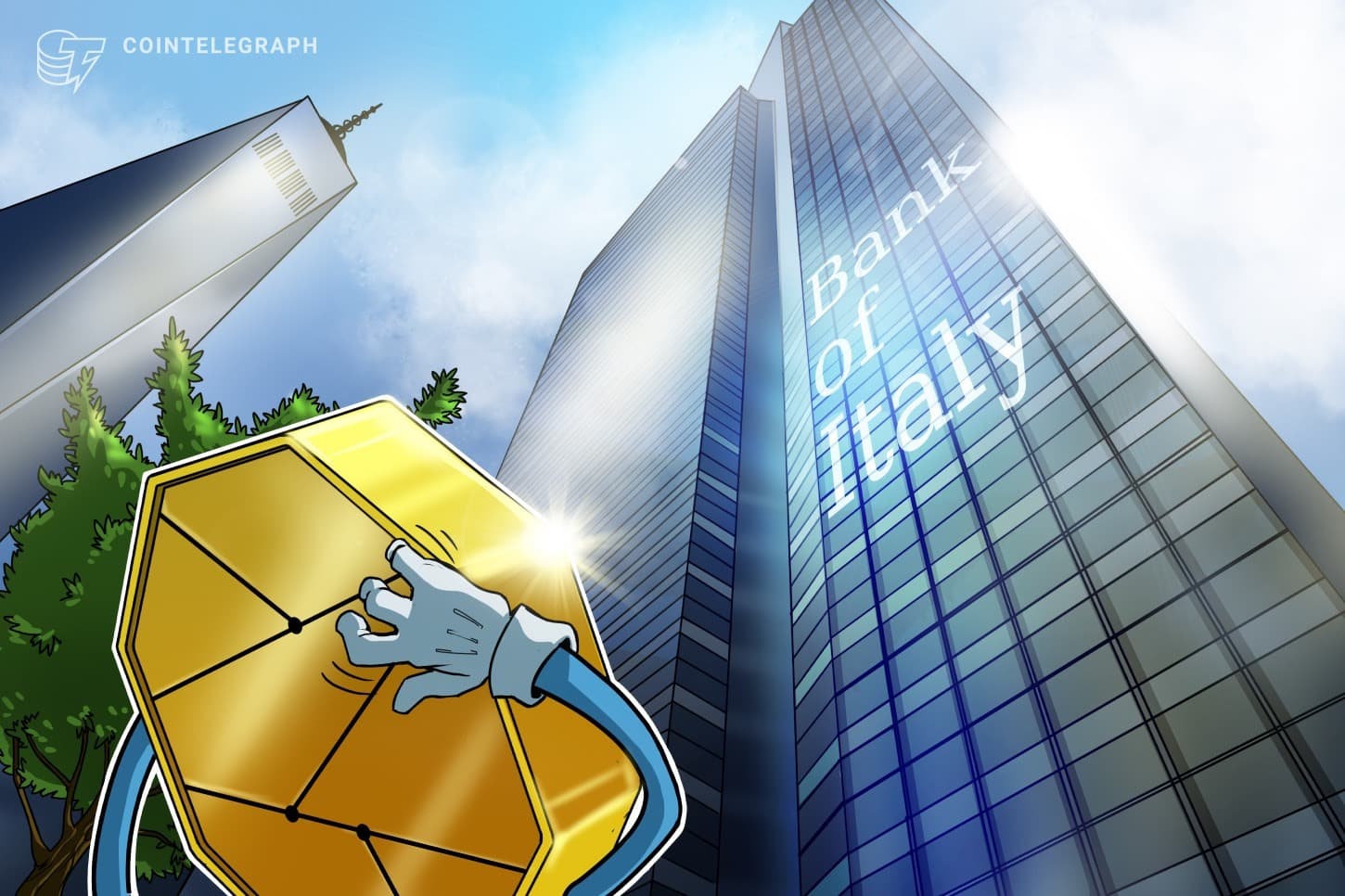
Italy's central bank has thrown down a compliance gauntlet. Banca d'Italia issued a directive requiring all crypto service providers operating in the country to establish internal controls specifically designed to screen cryptocurrency transfers for any connections to sanctioned entities.
This move signals a broader European shift toward hardening regulations around digital assets. Rather than outright bans, regulators are now focused on embedding traditional financial compliance mechanisms into the crypto ecosystem—starting with sanctions screening.
What Banca d'Italia Is Actually Demanding
The central bank's order requires crypto platforms to implement systematic controls that flag and monitor transfers potentially linked to sanctioned individuals, organizations, or jurisdictions. This isn't theoretical—it's a mandate to operationalize sanctions compliance across their entire platform infrastructure.
The directive applies to all crypto service providers with Italian operations or Italian customers. That includes exchanges, custodians, wallet providers, and other entities facilitating crypto transactions. The expectation is clear: treat crypto transfers with the same AML/KYC rigor that traditional banking has operated under for decades.
The Regulatory Precedent This Sets
This isn't Italy acting alone. The European Union has been progressively tightening crypto regulation through mechanisms like MiCA (Markets in Crypto-Assets). Individual member states like Italy are now translating EU-level frameworks into concrete operational requirements.
For crypto traders and institutional investors, this matters. Compliance requirements directly impact liquidity, trading costs, and platform reliability. When regulatory bodies force platforms to implement deeper screening controls, transaction speeds can slow and operational overhead increases—costs often passed to users.
The sanctions screening mandate also creates practical headaches for decentralized finance protocols and self-custodial wallets, which lack centralized operators to implement such controls. This regulatory approach subtly favors regulated, centralized platforms over decentralized alternatives.
Why Central Banks Care About Crypto Sanctions
Sanctioned entities have historically exploited crypto's perceived anonymity to move value across borders and evade asset freezes. Iran's IRGC, Russian oligarchs, North Korean actors, and others have been documented using crypto to circumvent sanctions regimes. Regulators watched this pattern and decided action was necessary.
From a portfolio and trading perspective, this development creates compliance risk for any crypto asset held on non-compliant platforms. If a platform fails to implement adequate sanctions screening, it faces potential enforcement action, frozen accounts, or forced shutdowns. Users holding assets on such platforms face real consequences.
What's Next for Crypto Users
Expect this pattern to spread. If Italy's central bank is mandating sanctions screening, other European regulators won't be far behind. The US already has similar expectations embedded in FinCEN guidance and Treasury Department directives.
For serious crypto traders and portfolio managers, this reinforces a basic principle: use regulated platforms with documented compliance infrastructure. The era of moving crypto through unvetted channels without friction is ending.
Alpha Take
Italy's sanctions screening mandate represents regulatory maturation, not restriction—central banks are integrating crypto into existing compliance frameworks rather than isolating it. This creates compliance friction but also legitimacy: regulated crypto platforms that clear these hurdles gain institutional credibility. Traders should prioritize exchanges and custodians demonstrating transparent sanctions screening as part of their trading infrastructure.
Originally reported by
CoinTelegraph
Not financial advice. Crypto investing involves significant risk. Past performance does not guarantee future results. Always do your own research.