
Japan's Rate Hike to 30-Year Peak Fails to Rattle Crypto Markets
Japan's central bank just delivered the most aggressive monetary policy move in three decades, pushing rates higher than markets have seen since the early 1990s. By historical standards, this should matter for crypto.
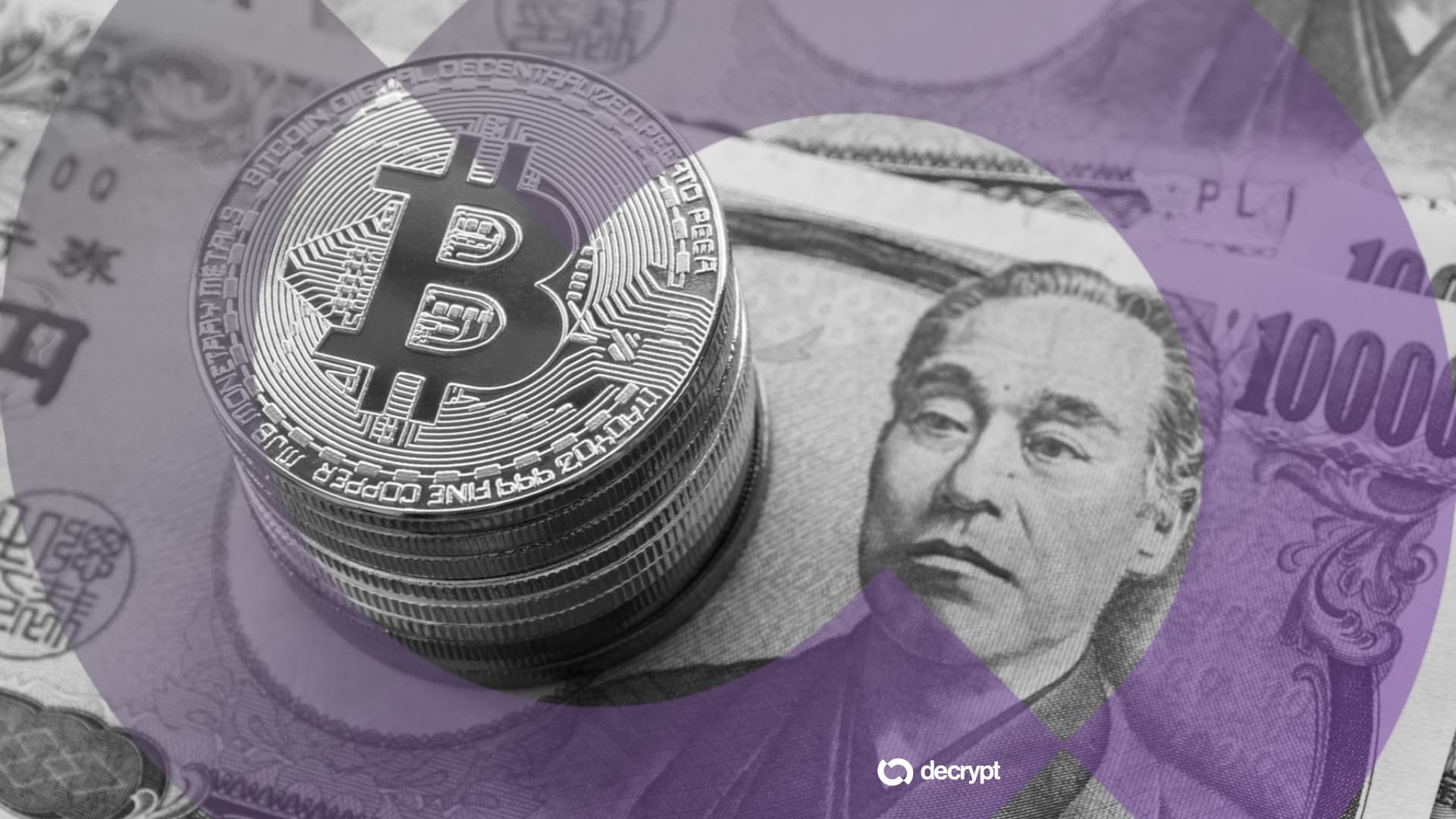
Japan's central bank just delivered the most aggressive monetary policy move in three decades, pushing rates higher than markets have seen since the early 1990s. By historical standards, this should matter for crypto. Instead? The market collectively yawned.
The Bank of Japan's decision represents a significant pivot from years of ultra-loose monetary policy, signaling Tokyo's commitment to tightening financial conditions. Traditionally, rate hikes across major economies have functioned as headwinds for risk assets—and crypto, being the riskiest of risk assets, typically takes it on the chin when central banks get hawkish.
This time around, we're seeing something different unfold.
The Crypto Market's Muted Response
Bitcoin, ethereum, and the broader crypto asset class showed minimal volatility in response to the BOJ's announcement. Traders and investors we spoke with attributed the tepid reaction to several factors working in concert.
First: markets had largely priced in the possibility. Rate hike expectations had been building for months, with speculation about the BOJ's hawkish turn already baked into positioning. Second: the global crypto market operates on a different timeline than traditional finance. Bitcoin's 24/7 trading cycle means moves happen continuously rather than clustering around single central bank decisions.
"There's been no meaningful disruption to crypto markets from this development," market analysts noted, underscoring how desensitized the digital asset space has become to monetary policy shifts that would've triggered sharp swings just a few years ago.
What's Really Changed
The lack of dramatic price action suggests something fundamental has shifted in how crypto traders evaluate macro headwinds. The market appears to be compartmentalizing Japan's tightening cycle as a regional phenomenon rather than a systemic risk to global liquidity.
This reflects maturation in the crypto market's infrastructure and narrative framework. Bitcoin has increasingly been repositioned as a macro hedge—particularly against currency debasement—rather than a pure risk asset tied to central bank accommodation levels. When rates rise in Japan, it doesn't automatically liquidate leverage or trigger the panic mechanics that plagued earlier bull-bear cycles.
Ethereum and alternative cryptocurrencies also demonstrated stability, suggesting institutional positioning ahead of the BOJ announcement had already adjusted for this scenario.
Broader Implications for Portfolio Strategy
What we're watching here is the crypto market developing genuine independence from traditional monetary policy cycles. That doesn't mean central bank decisions are irrelevant—but their impact appears more nuanced now than in previous eras.
For traders managing crypto portfolios, this signals the need for updated analytical frameworks. Rate hikes from the BOJ, Federal Reserve, or ECB still merit monitoring, but they're no longer the singular drivers of price action they once were. Market-specific dynamics, regulatory catalysts, and on-chain metrics increasingly drive trading decisions.
Japan's three-decade high in rates just became a textbook example: major policy shift, minimal disruption, markets continuing their own trajectory.
Alpha Take
The BOJ's most aggressive tightening in 30 years barely moved crypto prices—a marked departure from historical precedent that underscores how the market has matured. This isn't to say monetary policy is irrelevant, but rather that crypto traders now evaluate macro signals through a more sophisticated lens. For portfolio managers, this reinforces the need for differentiated trading strategies that don't simply mirror traditional finance playbooks. Watch for how other regional central banks' moves play out; this pattern may be replicating across markets.
Originally reported by
Decrypt
Not financial advice. Crypto investing involves significant risk. Past performance does not guarantee future results. Always do your own research.