
Kraken Launches Crypto Debit Card as Payward Pivots Toward Mainstream Finance
Kraken's parent company Payward just rolled out Krak, a hybrid debit card that lets US customers seamlessly spend both cryptocurrency and traditional fiat currency. This move signals a broader strategic pivot toward building a comprehensive financial services ecosystem beyond just crypto trading.
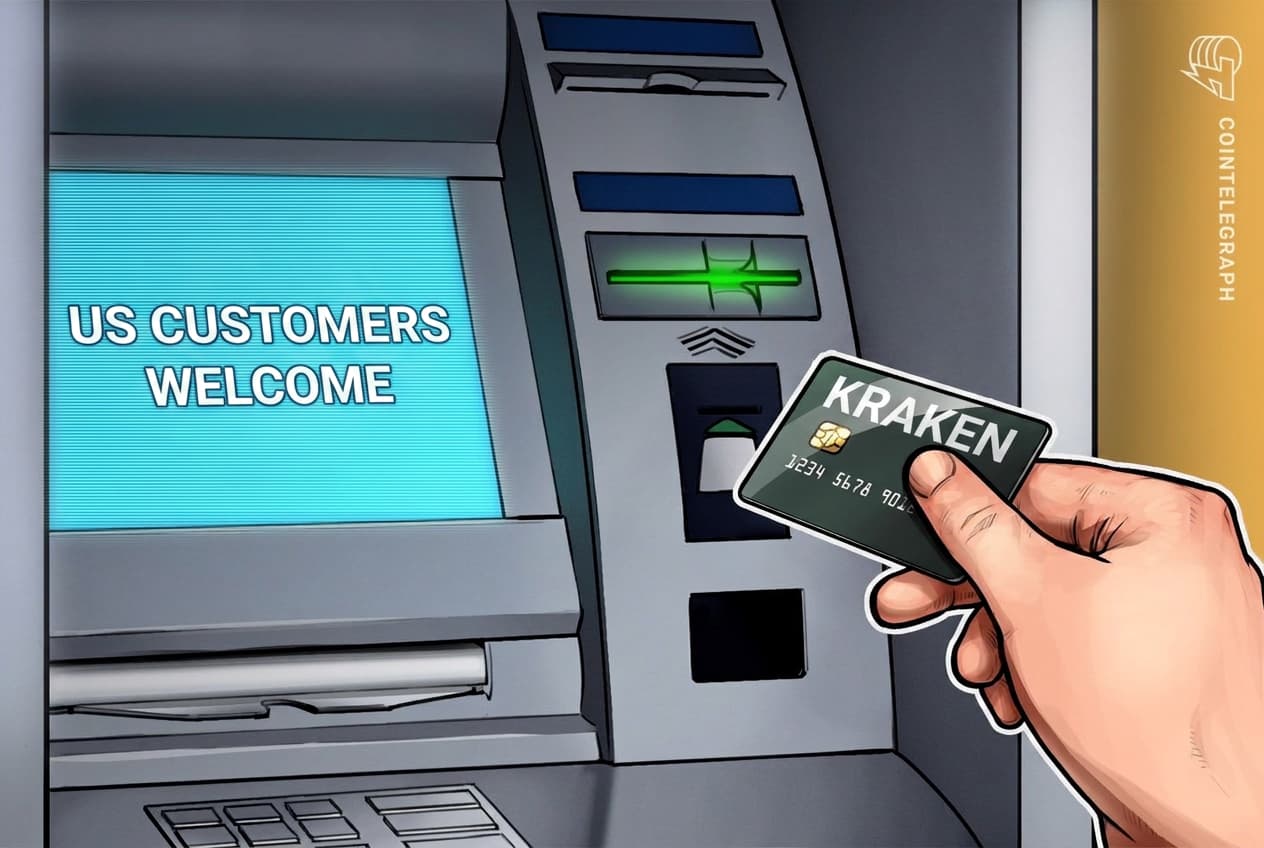
Kraken's parent company Payward just rolled out Krak, a hybrid debit card that lets US customers seamlessly spend both cryptocurrency and traditional fiat currency. This move signals a broader strategic pivot toward building a comprehensive financial services ecosystem beyond just crypto trading.
The Card's Core Features
Krak isn't your typical exchange-branded card. The multi-asset offering gives users direct spending power from their crypto holdings while maintaining standard fiat account functionality. Cardholders earn cashback rewards on purchases—a feature designed to incentivize adoption and increase transaction volume across the platform.
For Kraken's existing user base, this eliminates friction. Instead of converting crypto to fiat through traditional banking channels, customers can now transact directly. The card works at any merchant that accepts standard debit payments, expanding crypto's real-world utility beyond just hodling or trading.
Payward's Broader Financial Services Strategy
This card launch isn't happening in isolation. It's part of Payward's calculated expansion beyond its core Kraken exchange business. The parent company has been quietly building infrastructure to compete in traditional financial services—essentially becoming a crypto-native fintech player.
By offering debit cards, Payward positions itself as a one-stop financial platform. Users can trade crypto, hold assets, and spend them without leaving the ecosystem. This stickiness matters: it increases customer lifetime value and creates network effects.
The Regulatory Landscape
Launching a debit card in the US requires serious regulatory legwork. Payward had to navigate complex compliance requirements around payment processing, KYC/AML protocols, and anti-fraud measures. The fact they've successfully launched suggests they've cleared these hurdles with banking partners.
This also demonstrates institutional confidence in Kraken's compliance framework. Traditional financial institutions won't partner with crypto platforms lacking solid regulatory credentials—a significant advantage for Kraken in an increasingly scrutinized sector.
Market Context: Why Now?
Crypto adoption has plateaued in recent years, but merchant acceptance continues growing. Cards like Krak tap into crypto holders who actually want to use their assets rather than just speculate. The cashback mechanism creates a tangible incentive loop: use the card, earn rewards, accumulate more crypto, repeat.
Competitors like Crypto.com have pushed hard in this space with mixed results. High marketing spend and card-based rewards programs haven't necessarily translated to sustained usage. Krak's success will depend on whether Kraken can drive actual adoption versus just distributing the cards.
Alpha Take
Krak represents Kraken's bet that crypto adoption requires real-world utility, not just trading features. The debit card strategy converts Payward from a pure exchange into a fintech competitor, potentially capturing higher margins through financial services revenue. Success here could reshape Kraken's business model—though execution will be critical. Watch transaction volumes and monthly active users on Krak as key metrics; if adoption stalls, this becomes just another underutilized exchange product rather than the pivotal portfolio addition Payward is positioning it to be.
Originally reported by
CoinTelegraph
Not financial advice. Crypto investing involves significant risk. Past performance does not guarantee future results. Always do your own research.