
KuCoin Australia Signals Regulatory Maturity With Mastercard Integration Push
KuCoin Australia just made a strategic move that signals where centralized exchanges are heading: direct payment infrastructure integration. The platform's new KuCard rollout lets users execute seamless payments to Mastercard merchants using USDC—a play that matters more than it sounds on the surfa
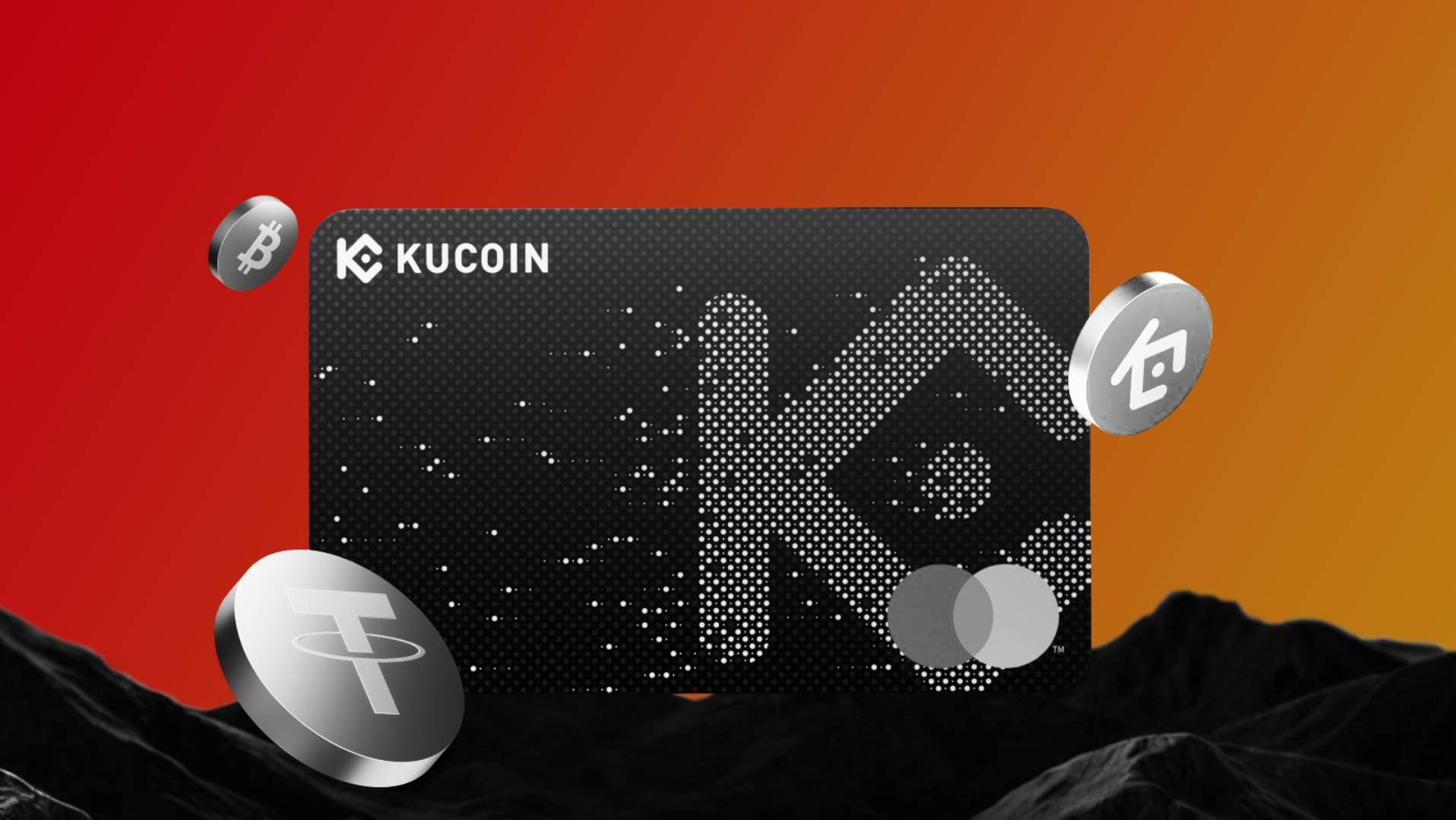
KuCoin Australia just made a strategic move that signals where centralized exchanges are heading: direct payment infrastructure integration. The platform's new KuCard rollout lets users execute seamless payments to Mastercard merchants using USDC—a play that matters more than it sounds on the surface.
The USDC Payment Gateway
Here's what's actually happening: KuCoin Australia is building a bridge between stablecoin holdings and real-world merchant networks. Users can now funnel USDC directly through KuCard to spend at any Mastercard-accepting merchant, effectively turning stablecoins into functional payment rails. This isn't just wallet functionality—it's infrastructure play designed to increase stablecoin utility in regulated markets.
The USDC integration matters because it sidesteps the volatility problem that killed previous crypto card attempts. By anchoring payments to a dollar-pegged token, KuCoin eliminates the price swing risk that made earlier crypto debit cards impractical for merchants and users alike.
Evolution Label Reflects Regulatory Reality
KuCoin's framing of this initiative as "Evolution" isn't marketing fluff. The exchange is publicly acknowledging that survival in mature crypto markets requires regulatory alignment. Australia's regulatory environment has matured significantly—the Australian Securities and Investments Commission (ASIC) has established clear guardrails for crypto platforms, and KuCoin's Mastercard partnership signals compliance with those frameworks.
What we're seeing across major markets is a pattern: exchanges that want institutional adoption and long-term viability are building payment products that work within existing financial infrastructure, not against it. KuCoin Australia's move mirrors similar initiatives from competitors positioning stablecoins as legitimate payment solutions rather than speculative assets.
Market Intelligence Read
This development tells us three things about crypto's evolution:
First, payment infrastructure is becoming a competitive moat for exchanges. Platforms that can facilitate real-world spending gain stickiness—users don't migrate accounts lightly when their crypto cards work seamlessly.
Second, USDC's adoption as the integration partner (not USDT or proprietary tokens) reflects market consensus. Circle-backed stablecoins have clearer regulatory pathways in developed markets, making them the pragmatic choice for mainstream payment rails.
Third, Australian markets are becoming a testing ground for regulated crypto commerce. If KuCoin's Mastercard integration works smoothly in Australia, expect similar rollouts across Europe, Canada, and potentially the US—assuming regulatory frameworks continue clarifying.
For traders and portfolio managers, this matters because it legitimizes stablecoin utility beyond speculation. When crypto payment infrastructure actually works at scale with major card networks, we're seeing genuine adoption signals rather than hype cycles.
Alpha Take
KuCoin's Mastercard-USDC integration represents the shift from "crypto as asset class" to "crypto as payment infrastructure." Exchanges building regulated, functional payment products are positioning for long-term market dominance—this is the kind of infrastructure play that separates winners from eventual exits in the consolidating exchange landscape. Watch whether similar integrations accelerate across other major markets; widespread adoption would validate stablecoins as utility-driven assets rather than speculation vehicles.
Originally reported by
Decrypt
Not financial advice. Crypto investing involves significant risk. Past performance does not guarantee future results. Always do your own research.