
Major Banks Plotting Synchronized Stablecoin Push: 21-Institution Alliance Targets 2027 Launch
A coalition of 21 global banks—including Goldman Sachs and Bank of America—is moving aggressively on a unified dollar stablecoin initiative, aiming to have the U. S.
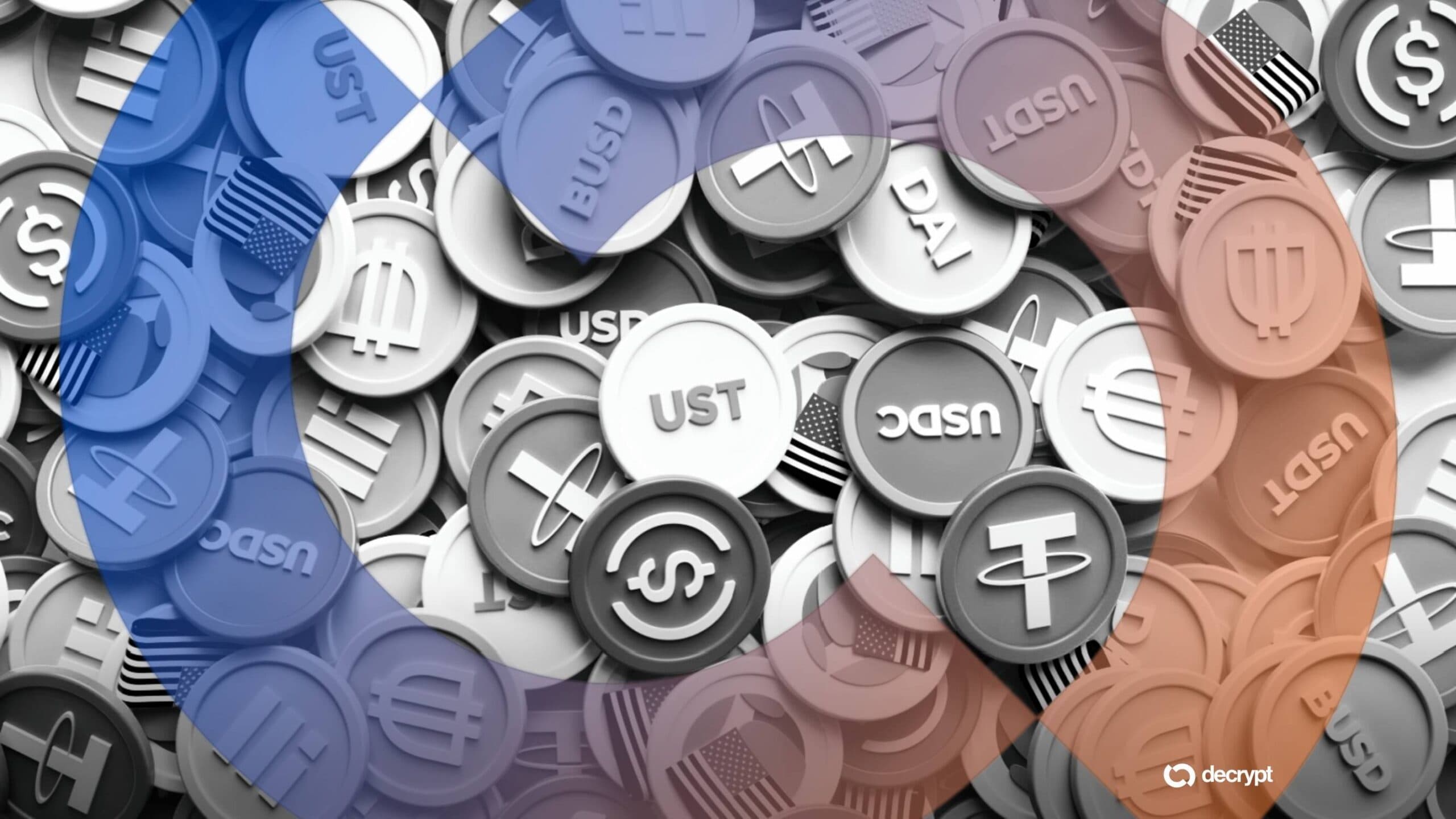
A coalition of 21 global banks—including Goldman Sachs and Bank of America—is moving aggressively on a unified dollar stablecoin initiative, aiming to have the U.S. token operational by the first half of 2027. This isn't theoretical anymore: we're watching institutional finance actively mobilize to capture stablecoin infrastructure before crypto-native platforms dominate the space entirely.
The Bank Consortium's Strategic Play
The banking consortium represents serious firepower in global finance, and their move signals something critical: traditional institutions finally recognize they can't ignore tokenized settlement infrastructure. The first-half 2027 timeline is aggressive but achievable—these aren't scrappy startups, they're institutions with compliance frameworks already in place and existing customer relationships to leverage.
What makes this different from previous stablecoin announcements is the scale and specificity. We're not hearing vague commitments; we're seeing concrete deployment targets. The fact that 21 banks aligned on a single dollar token (rather than fractured competitors launching competing versions) demonstrates they've learned the network effect lesson the hard way.
The Roadmap: Dollar First, Euro Next
The sequencing strategy tells you everything about how they're thinking: dominate the most liquid currency pair first. A U.S. dollar stablecoin makes sense—it's the global reserve currency, and settlement friction in dollar flows remains a perpetual pain point across banking. Once they've proven the operational model with dollars, the euro version becomes a natural follow-up, likely targeting European payment corridors where cross-border settlement delays still cost institutions real money.
This two-phase approach reduces technical risk and lets them validate their governance structure before expanding to additional currencies. It also buys time for regulatory clarity to solidify around each region before launching.
What This Means for Crypto Markets
Here's what traders and portfolio managers should track: if this consortium succeeds in launching by H1 2027, you're looking at institutional-grade tokenized settlement infrastructure with full banking backing. That's not competition with decentralized stablecoins—it's parallel infrastructure that could actually drive broader blockchain adoption by removing counterparty risk for institutions that won't touch crypto-native solutions.
The timeline also matters. We're 18 months out from their target, which gives regulatory bodies time to clarify frameworks but also means the consortium faces real execution pressure. Delays aren't failures—they're par for the course in banking—but they'll test whether institutions actually have the appetite to move at crypto speed.
The euro component is equally significant for international crypto liquidity. Cross-asset trading often flows through EUR/USD pairs; a native euro stablecoin could reshape how international traders and protocols manage currency exposure.
Alpha Take
This consortium launch validates the stablecoin thesis but also signals that major financial institutions are placing bets on institutional rather than retail-driven tokenization. The 2027 target is achievable if they maintain momentum, and success here could accelerate broader blockchain adoption across banking infrastructure. Watch for regulatory announcements over the next 12 months—they'll be the best predictor of whether this actually ships on time or hits the familiar banking-IT delays. For traders holding crypto exposure, institutional stablecoins reduce counterparty risk and could unlock serious B2B liquidity flows.
Originally reported by
Decrypt
Not financial advice. Crypto investing involves significant risk. Past performance does not guarantee future results. Always do your own research.