
Mastercard Seals $1.8B BVNK Deal: Banks Now Have Direct Stablecoin Infrastructure
Mastercard has officially closed its $1. 8 billion acquisition of BVNK, marking a significant consolidation move in the institutional stablecoin infrastructure space.
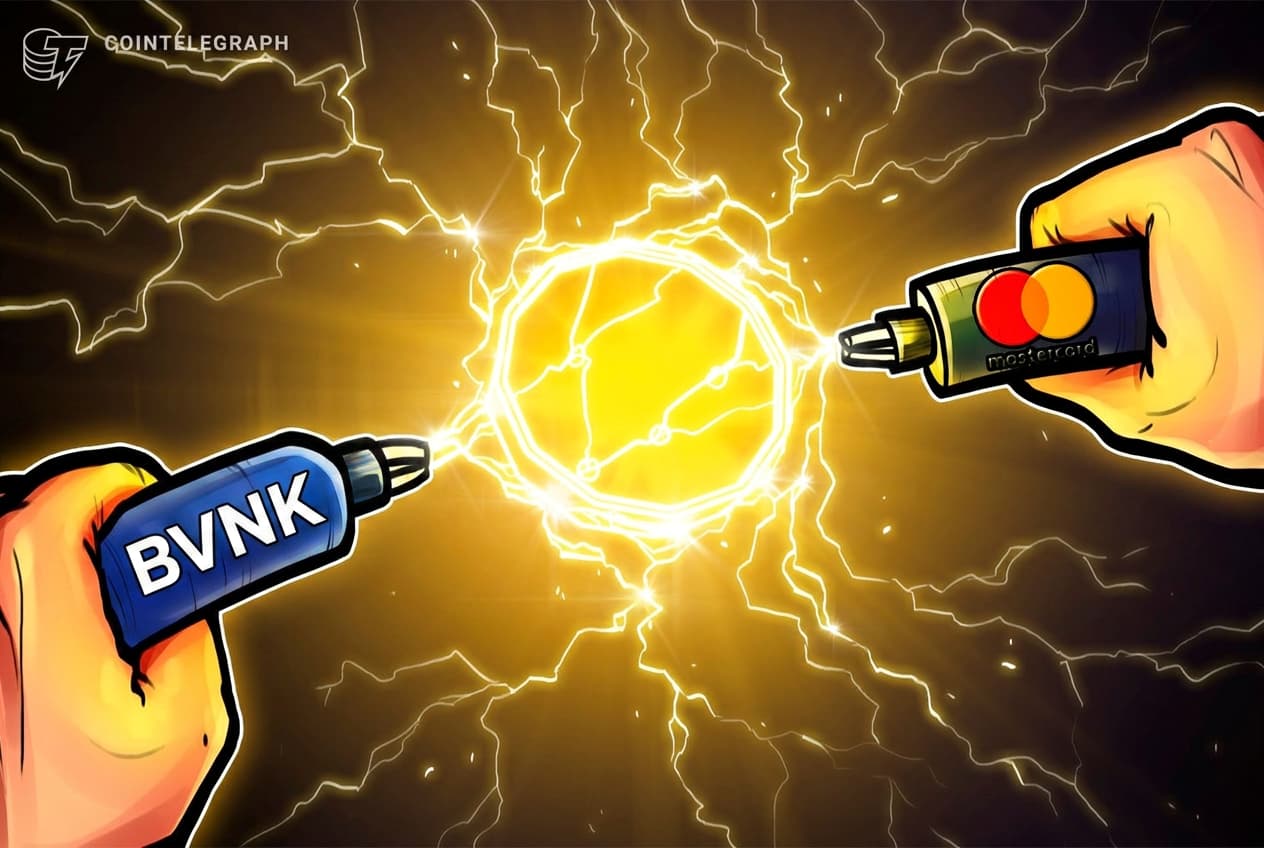
Mastercard has officially closed its $1.8 billion acquisition of BVNK, marking a significant consolidation move in the institutional stablecoin infrastructure space. The completion signals the payments giant's commitment to embedding digital currency rails directly into banking and fintech ecosystems.
What This Deal Actually Changes
The acquisition gives Mastercard a ready-made stablecoin platform that connects banks, fintechs, and enterprises to tokenized payment networks. Rather than building this infrastructure from scratch, Mastercard now owns the operational layer that handles stablecoin issuance, custody, and settlement—capabilities that were previously fragmented across multiple vendors.
According to Mastercard, the integration positions member institutions to expand stablecoin payments, payouts, settlement and treasury services. Translation: financial institutions can now plug into Mastercard's network and offer customers direct access to stablecoin rails without managing the underlying infrastructure themselves.
The Strategic Play
This isn't just another acquisition. BVNK brought established relationships with banks and fintechs already operating in the stablecoin space, plus compliance frameworks built for institutional clients. By acquiring BVNK, Mastercard leapfrogged years of regulatory navigation and market development.
The move reflects a broader recognition that stablecoins aren't a future-state technology—they're operational infrastructure banks need now to compete in cross-border payments, instant settlements, and digital treasury management. By owning the plumbing, Mastercard controls how banks interface with this emerging asset class.
Why Institutions Care
Banks face pressure to offer stablecoin services but lack the technical and compliance expertise to launch independently. This acquisition lets them white-label stablecoin capabilities through a trusted partner—reducing their risk, time-to-market, and capital requirements.
For enterprises managing international operations or dealing with frequent cross-border transactions, this means cheaper, faster settlement options integrated directly into their existing payment infrastructure. The treasury services angle is particularly significant: corporations sitting on growing stablecoin balances need institutional-grade tools to manage those assets, and this acquisition puts that capability within reach.
What's Next
The real test comes in execution. Mastercard needs to integrate BVNK's platform seamlessly into its existing payment ecosystem while maintaining the compliance rigor required for institutional clients. Any friction in this process could slow adoption among conservative banking institutions.
The stablecoin market remains fragmented between different blockchain networks and issuers. Mastercard's scale could accelerate standardization around certain stablecoin standards, though regulatory uncertainty in different jurisdictions remains a wild card.
We're watching whether other payment processors move similarly—Visa, for instance, already has stablecoin partnerships but hasn't made an acquisition play of this magnitude. This could spark competitive acquisitions across the payments industry.
Alpha Take
Mastercard transformed from a blockchain observer into infrastructure owner with this deal. For institutional investors and fintech traders, this signals stablecoins are shifting from speculative asset to operational necessity. Watch for Mastercard to drive adoption through its enterprise customer base—that network effect could reshape how corporations and banks handle treasury management and cross-border crypto transactions.
Originally reported by
CoinTelegraph
Not financial advice. Crypto investing involves significant risk. Past performance does not guarantee future results. Always do your own research.